Selecting the wrong gear type causes noise, vibration, and early failure. A rushed choice leads to expensive redesigns. Understanding the core differences protects machine performance and budget. Helical gears use angled teeth that engage gradually. Spur gears have straight teeth that engage all at once. Helical gears run quieter and carry more load. Spur gears offer simplicity and high efficiency at lower cost. The best fit depends on speed, noise limits, and load.
Both of helical and spur gears transmit power between parallel shafts in countless machines. The tooth angle creates real difference between helical and spiral gear in noise, strength, and bearing load. A detailed look at each factor makes the selection clear.
Noisy spur gear meshes often cause unexpected vibration problems. Straight teeth hide limits that appear under high speed. Understanding tooth geometry reveals why performance diverges so sharply.
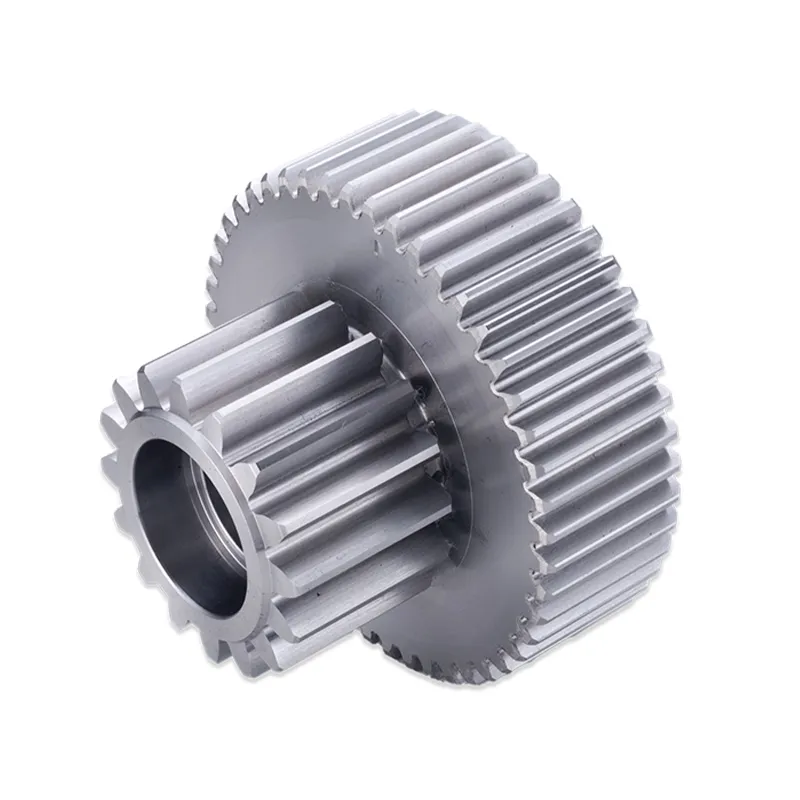
Helical gears have teeth cut at an angle to the rotation axis. This angle creates a gradual rolling contact. Spur gears have teeth parallel to the axis. They mesh with full face contact all at once. Helical gear meshing is quieter. Spur meshing generates more impact and audible whine.
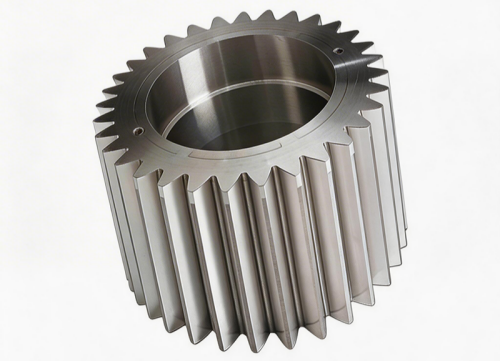
Helical gears engage over a longer contact line. The load transfers from one tooth to the next without a sudden hit. This smooth transfer reduces vibration and sound levels. Spur gears carry the full load on a single tooth line instantly. This creates a hammer-like impact at every tooth entry. The impact excites housing vibrations. At high speeds, the noise becomes unacceptable in many settings.
We see this in enclosed gearboxes. A helical set runs quietly enough for indoor use. A comparable spur set often needs an acoustic cover. The difference in noise becomes larger as the pitch line velocity increases.
Angled teeth generate a side thrust along the shaft axis. This axial force pushes the gear and shaft sideways. Spur gears produce no axial thrust. This makes bearing selection simpler for spur designs. Deep groove ball bearings often suffice. Helical gear sets need thrust bearings or tapered roller bearings to handle the sideways load. The housing must also absorb this force. Herringbone gears(double helical) cancel the thrust internally. But they add cost and require precise alignment. The table below compares the design impacts.
| Factor | Helical Gear | Spur Gear |
|---|---|---|
| Tooth engagement | Gradual, smooth | Instant, full face |
| Noise level | Lower | Higher |
| Axial thrust | Present | None |
| Bearing requirement | Thrust-capable | Simple radial |
Many assume helical gears always win on strength. This belief leads to overspending when spur gears would work. The truth lies in load sharing and the system around the gear.
Generally, a helical gear of the same size and material carries more torque. The angled tooth spreads the load over more contact area. More teeth share the force at any instant. However, axial thrust requires stronger bearings and housings. This can eat up the strength advantage in lightweight frames.
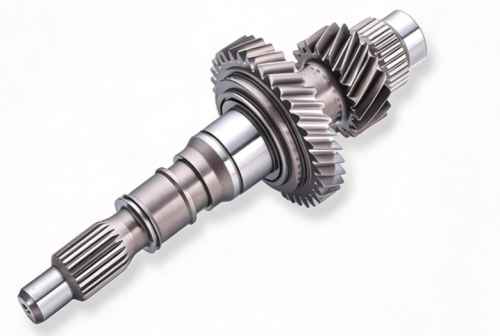
The helical overlap ratio directly boosts bending strength. A typical helical pair has a contact ratio above 2.0. This means at least two teeth always share the load. A standard spur gear often has a contact ratio between 1.2 and 1.6. A single tooth takes the full load for part of the cycle. The root stress becomes the limiting factor. Helical geometry reduces this peak stress. The result is higher power density in a smaller package.
Surface durability follows a similar pattern. Gradual engagement lowers impact stress on the tooth flank. Pitting failure takes longer to appear. For heavy-duty gearboxes, this extends service intervals.
Axial thrust changes the strength equation. A high helix angle increases overlap and smoothness. But it also increases the side force. The shaft must resist bending from this force. The housing must stay rigid under thrust. We see cases where a spur gear design wins because the structure cannot handle axial load. A spur gearbox uses lighter bearings and a thinner housing. The net system weight can be lower. The table below breaks down the key strength factors.
| Strength Aspect | Helical Gear | Spur Gear |
|---|---|---|
| Tooth bending load capacity | Higher for same face width | Lower peak capacity |
| Contact fatigue life | Longer | Shorter |
| System demands | Thrust bearings, rigid housing | Simple bearings, lighter frame |
| Power density | Higher | Lower |
Budget, noise limits, space, and speed all push toward one type. Ignoring the operating environment causes early failure. A clear decision framework prevents wasted engineering hours.
Choose spur gears when cost, low speed, or high torque matter most. Choose helical gears when smooth operation, high speed, or quiet running are critical. Many machines mix both types in different stages to balance performance and cost.
Use Spur Gears if:
Speed < 1000 RPM
Budget sensitive application
Noise is not critical
High efficiency priority
Use Helical Gears if:
High torque or heavy load
Continuous operation
Noise reduction required
High-speed transmission
Advanced Rule (Differentiation):
If your system requires both high efficiency AND low noise, consider double helical (herringbone) gears instead of switching blindly to helical gears.
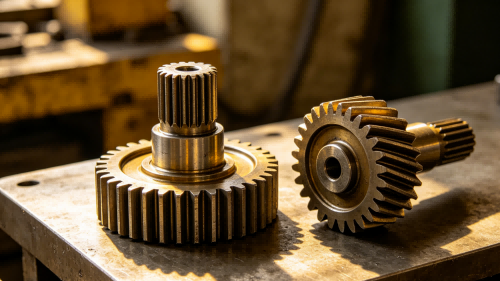
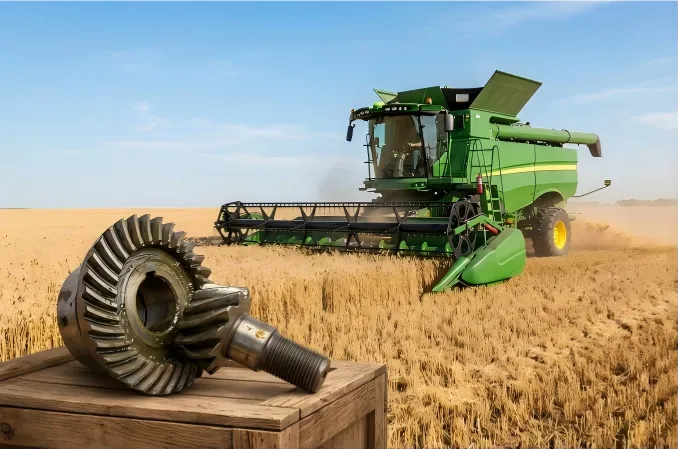
Low-speed, high-torque equipment often uses spur gears. Agricultural pumps, winches, and simple hoists fit this profile. Noise is not a primary concern in open fields or heavy industry. Spur gears keep the bill of materials low. Their simple geometry also eases maintenance and replacement.
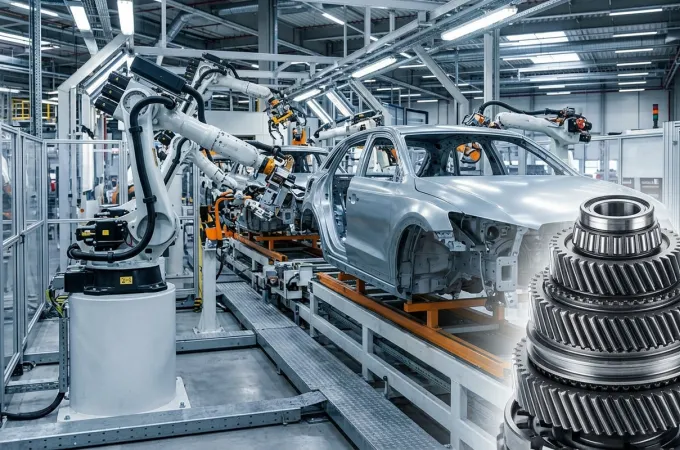
High-speed continuous-duty machines favor helical gears. Automotive transmissions, machine tool spindles, and compressor drives rely on helical sets. The smooth meshing protects bearings and housings from impact fatigue. Lower noise levels meet workplace regulations. If the shaft speed exceeds a few thousand rpm, the noise reduction alone justifies helical gears.
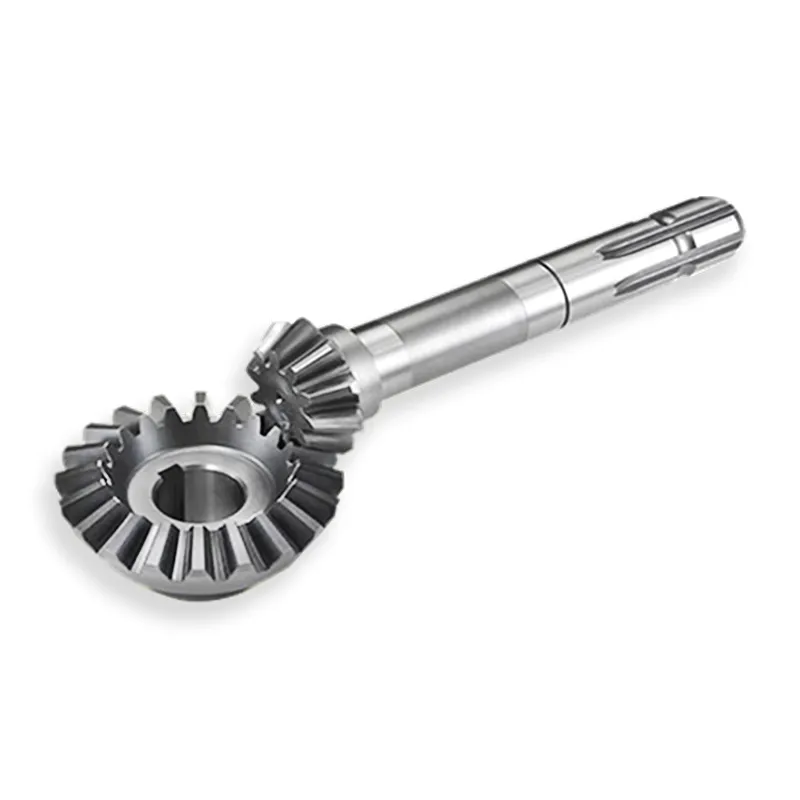
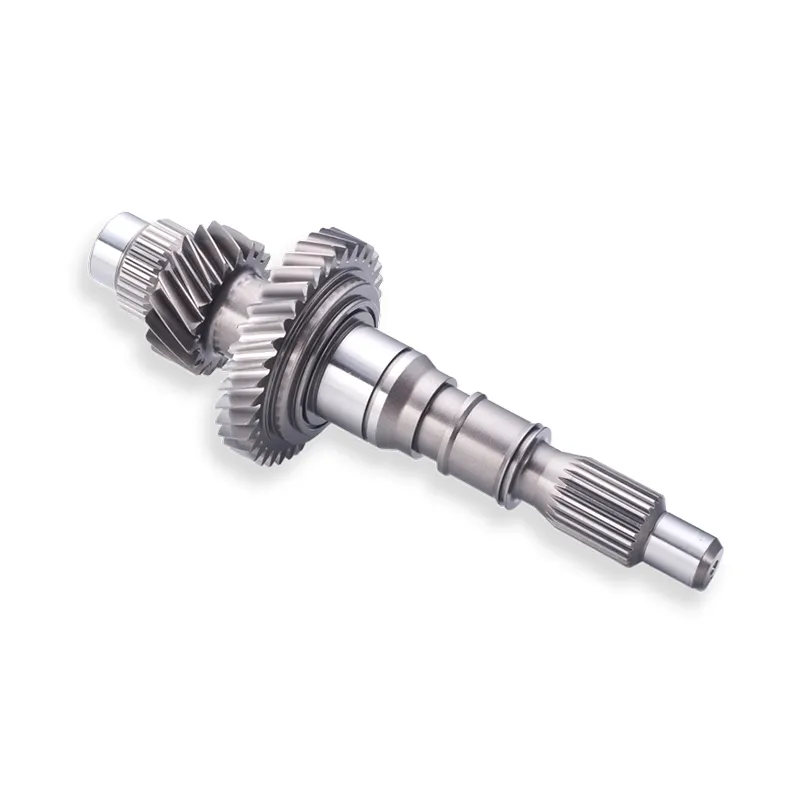
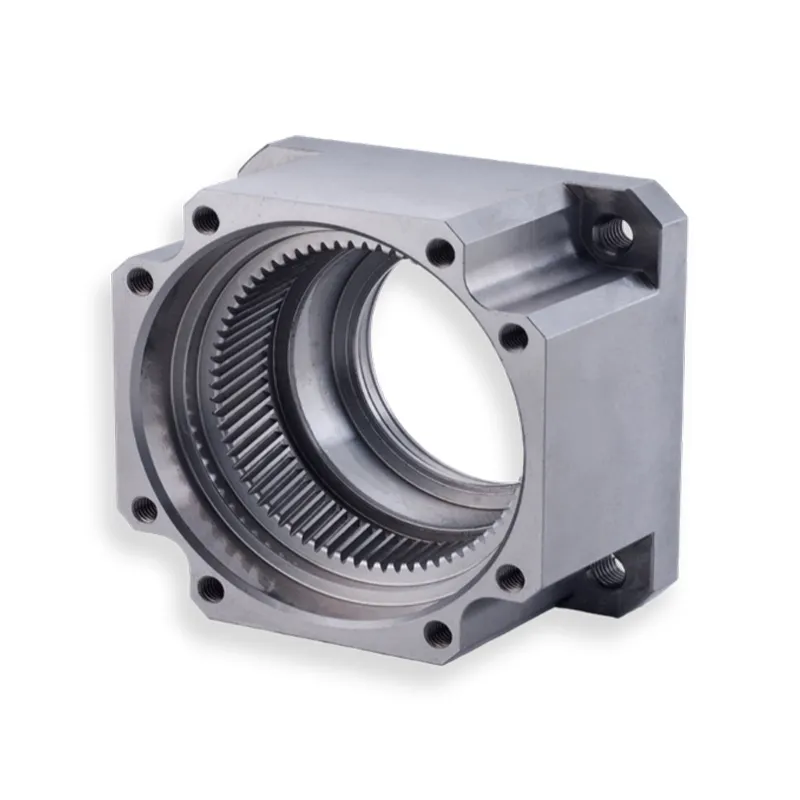
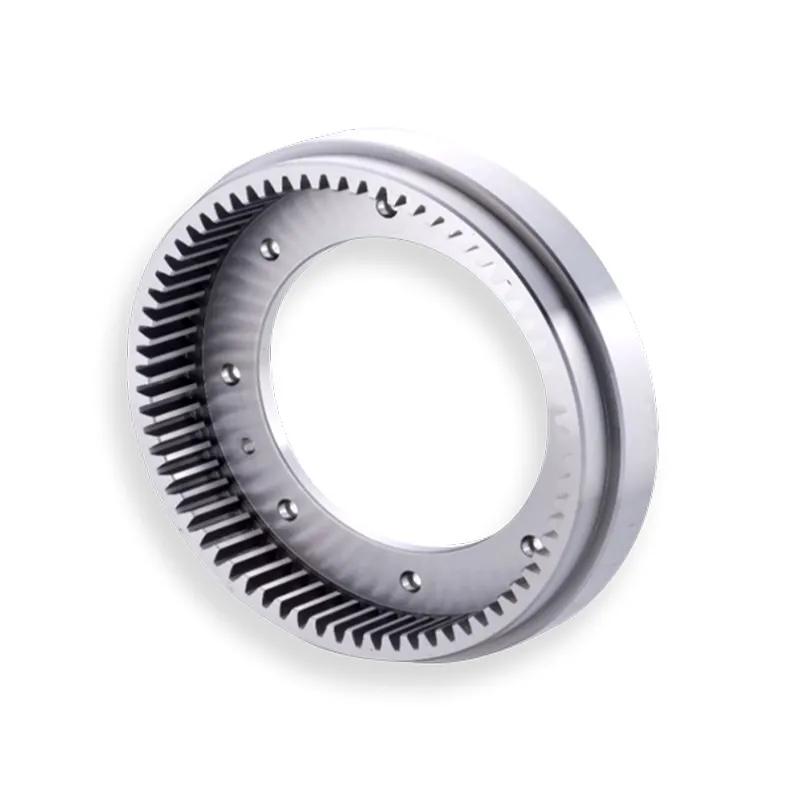
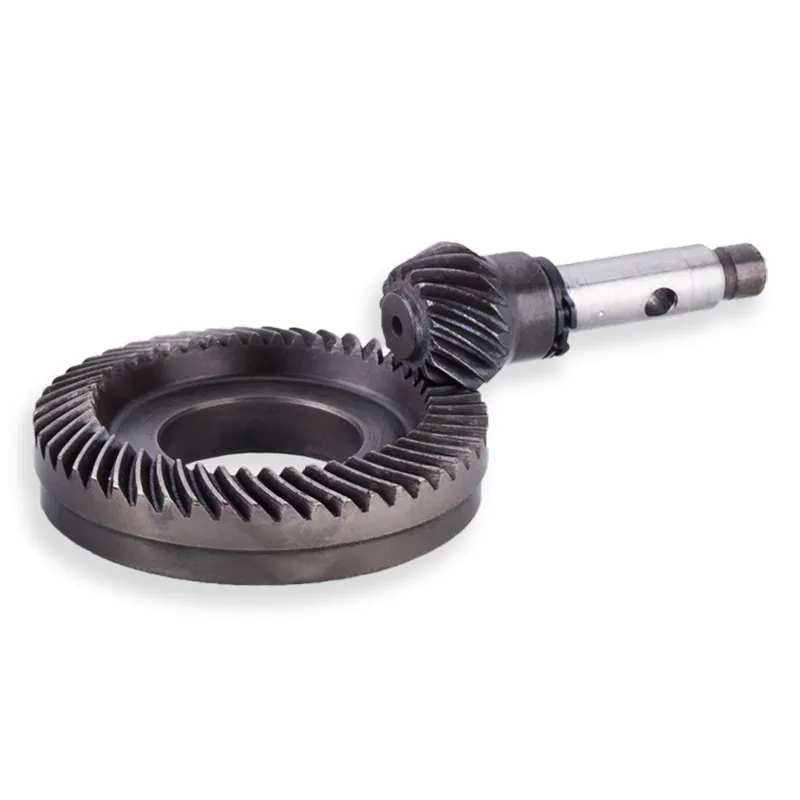
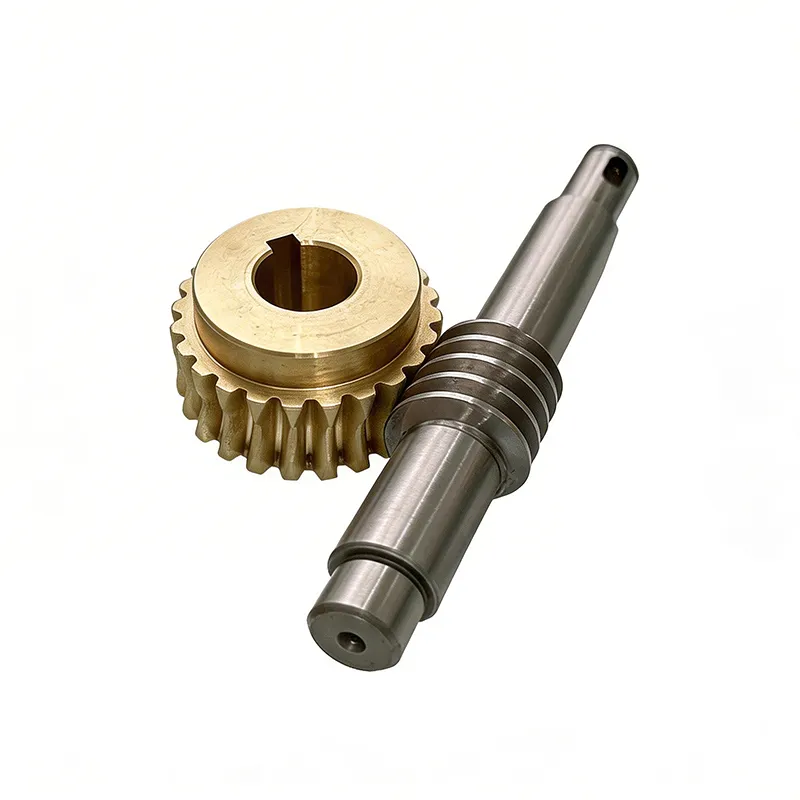
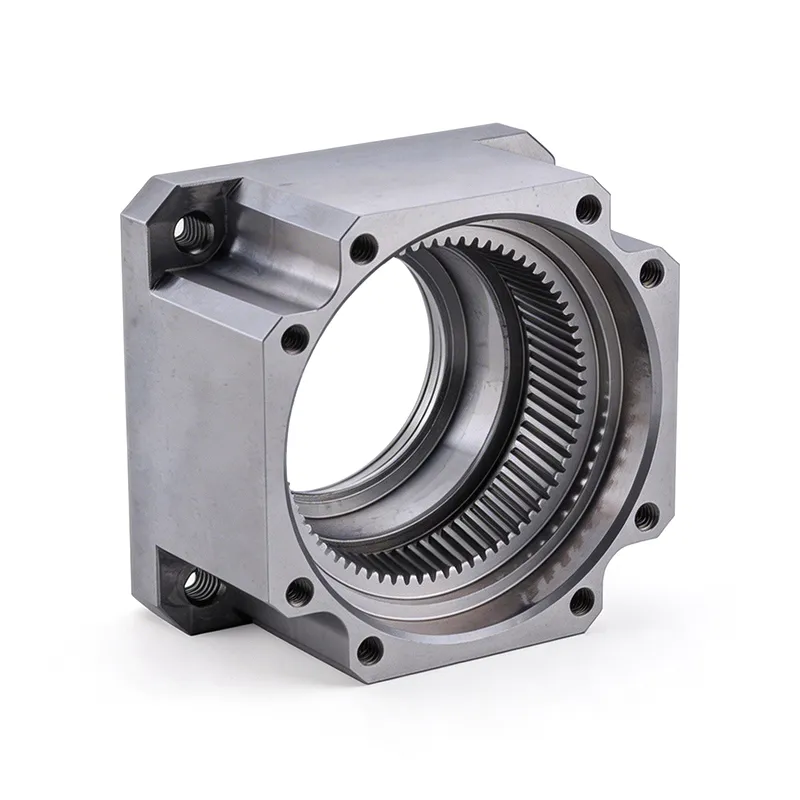
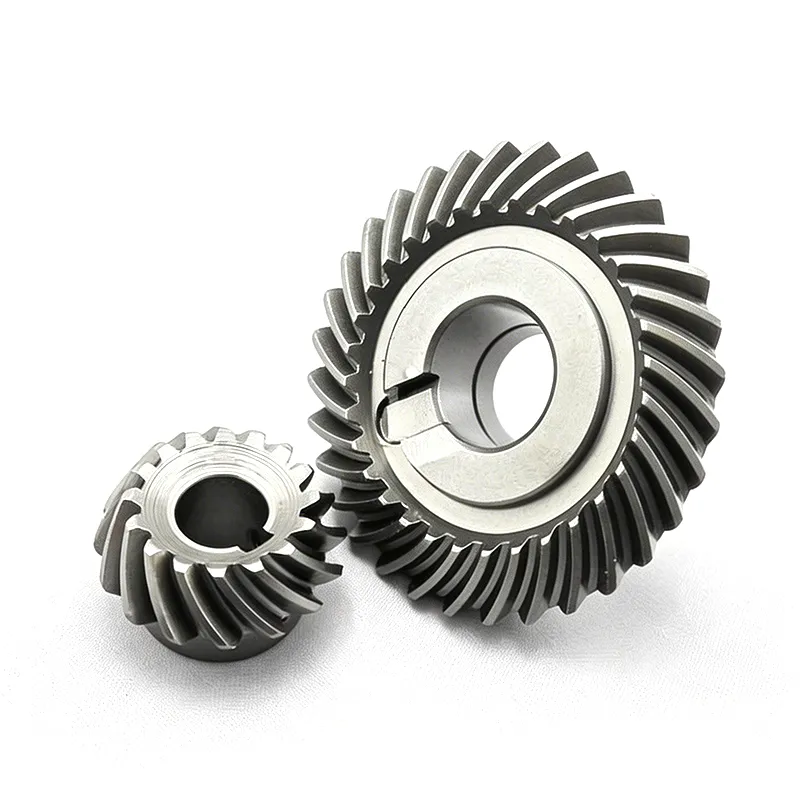
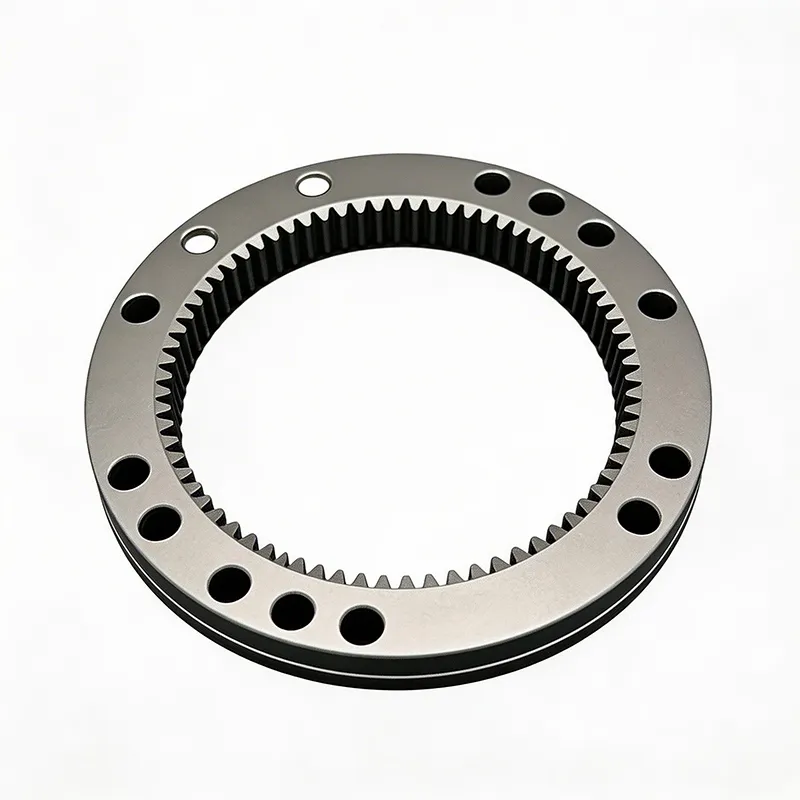
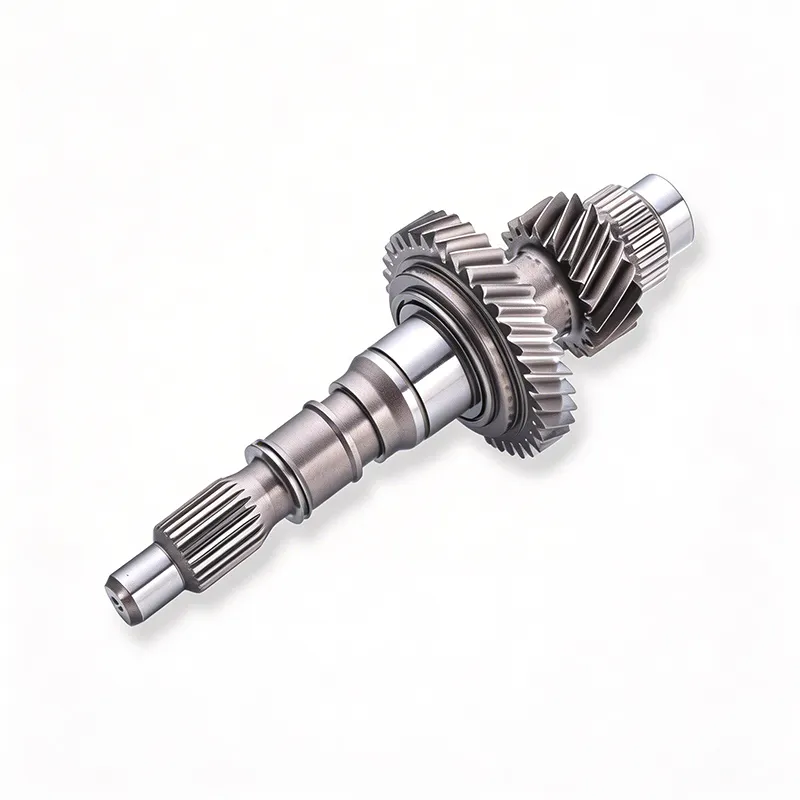
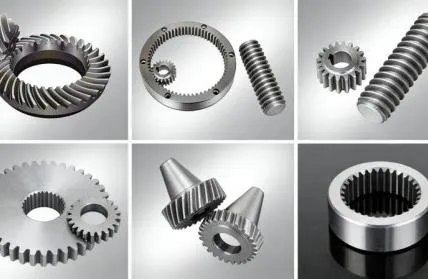
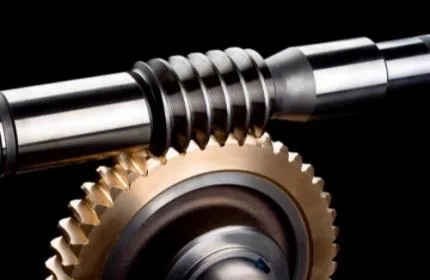
We manufacture spur gears for agriculture equipment pumps, and industrial gearbox cylindrical sets. Our helical gear range includes pinion shaft assemblies for reducers, lifting machine gear sets, and transmission shafts. We also produce spiral bevel gear, worm gear and worm wheel, and internal gears. This lets engineers source complete powertrain solutions from one facility. Starting with the right gear type and a qualified precision gear manufacturer shortens the path from prototype to production.
Helical gears excel in smoothness and load sharing. Spur gears offer simplicity and cost savings. Match the gear type to real operating conditions for reliable, long-lasting performance.
1. What is the difference between bevel gear and helical gear?
Bevel gears are designed to transmit power between intersecting shafts, typically at a 90-degree angle, while helical gears are used for parallel shafts with angled teeth for smoother and quieter operation. Bevel gears are ideal for direction changes in power transmission, whereas helical gears are better suited for high-speed, high-load, and low-noise applications.
2. What are helical gears used for?
Helical gears are widely used in high-load and high-speed mechanical systems such as automotive transmissions, industrial gearboxes, conveyors, and heavy machinery. Their angled tooth design allows gradual engagement, which reduces vibration and noise while improving load-carrying capacity.
3. What are the applications of spur gears and helical gears?
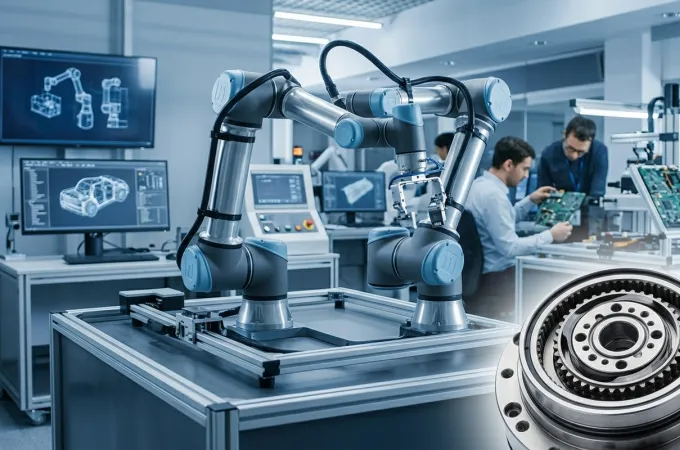
Spur gears are commonly used in low-speed and cost-sensitive applications such as simple gear trains, mechanical clocks, and basic industrial machines. Helical gears are used in more demanding systems like automotive drivetrains, CNC machines, and industrial automation where smooth and quiet operation is required.
4. Can helical gears be used for 90-degree power transmission?
Standard helical gears are not designed for 90-degree shaft arrangements. However, modified configurations such as crossed helical gears can transmit motion between non-parallel shafts, though they are less efficient and have limited load capacity compared to bevel gears.
5. Why are helical gears preferred over spur gears in many applications?
Helical gears are preferred because they provide smoother engagement, higher load capacity, and significantly reduced noise compared to spur gears. Their gradual tooth contact improves durability and makes them suitable for continuous high-speed industrial operations.
6. When should I choose spur gears instead of helical gears?
Spur gears should be chosen when cost efficiency, high mechanical efficiency, and simple design are more important than noise reduction or load capacity. They are ideal for low-speed applications where axial thrust and vibration are not major concerns.
 English