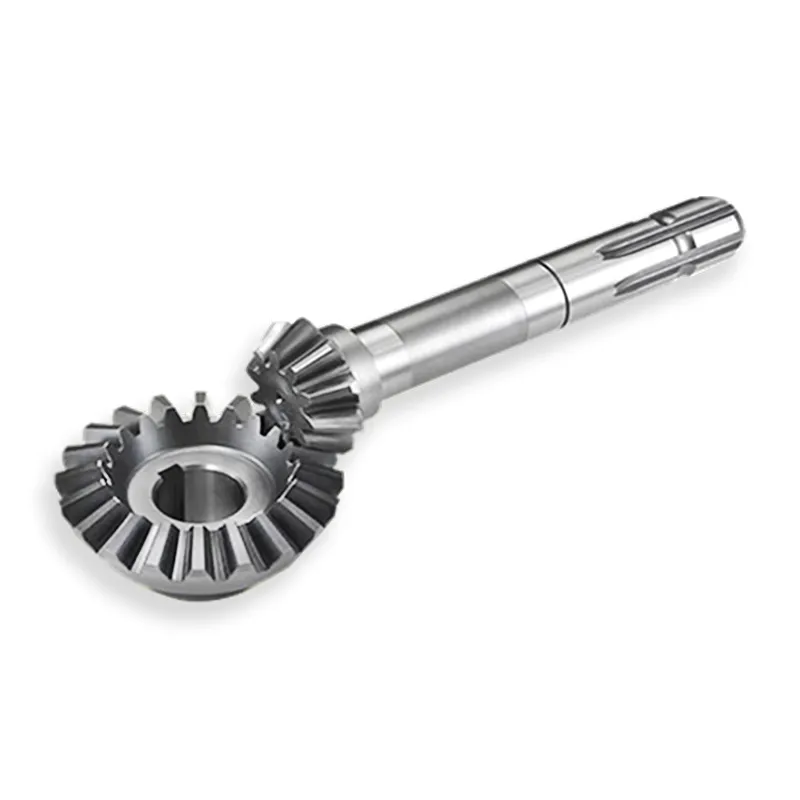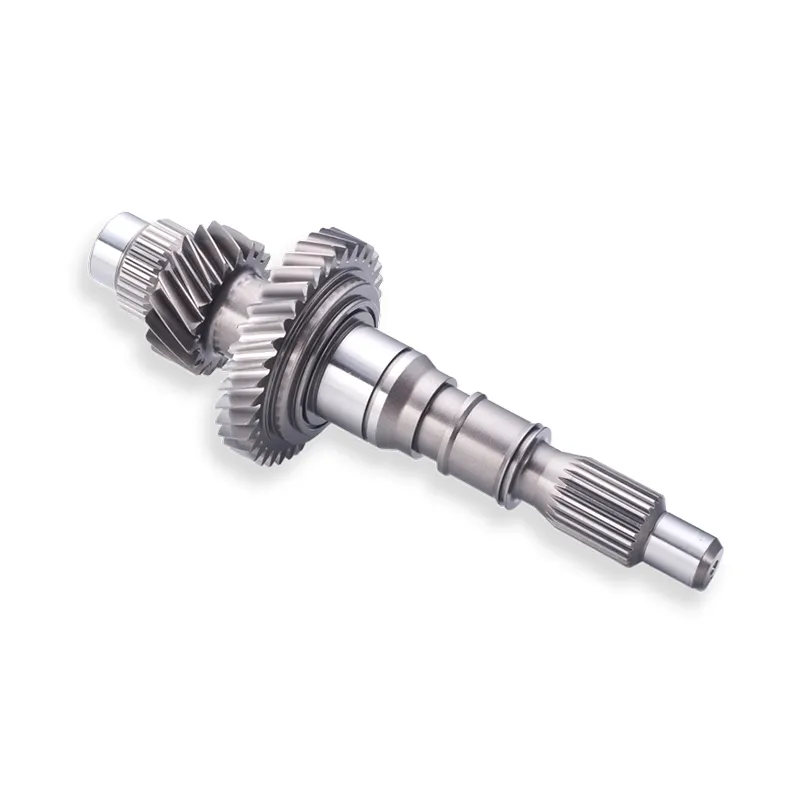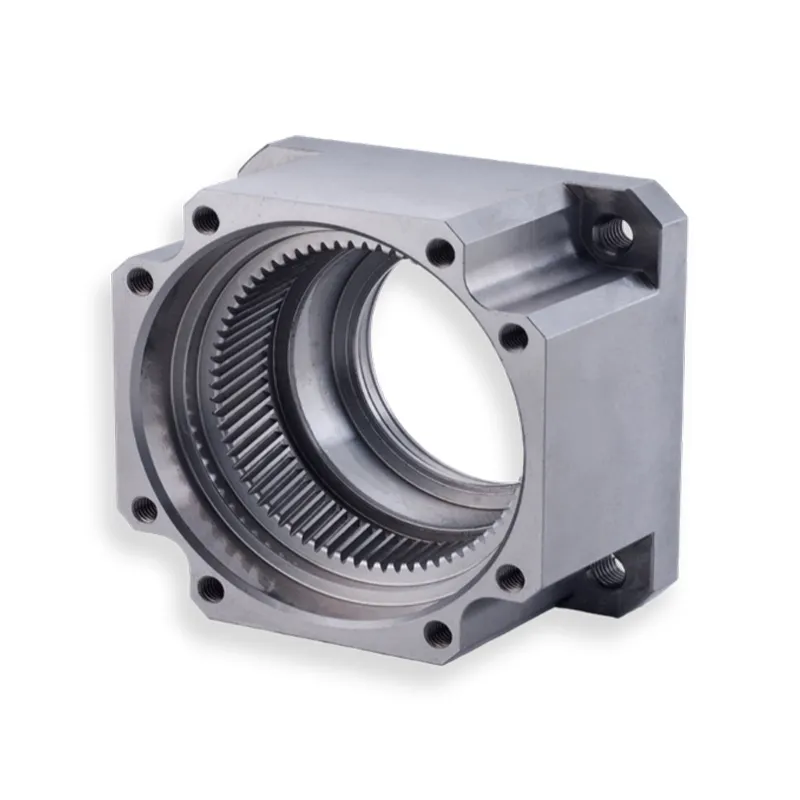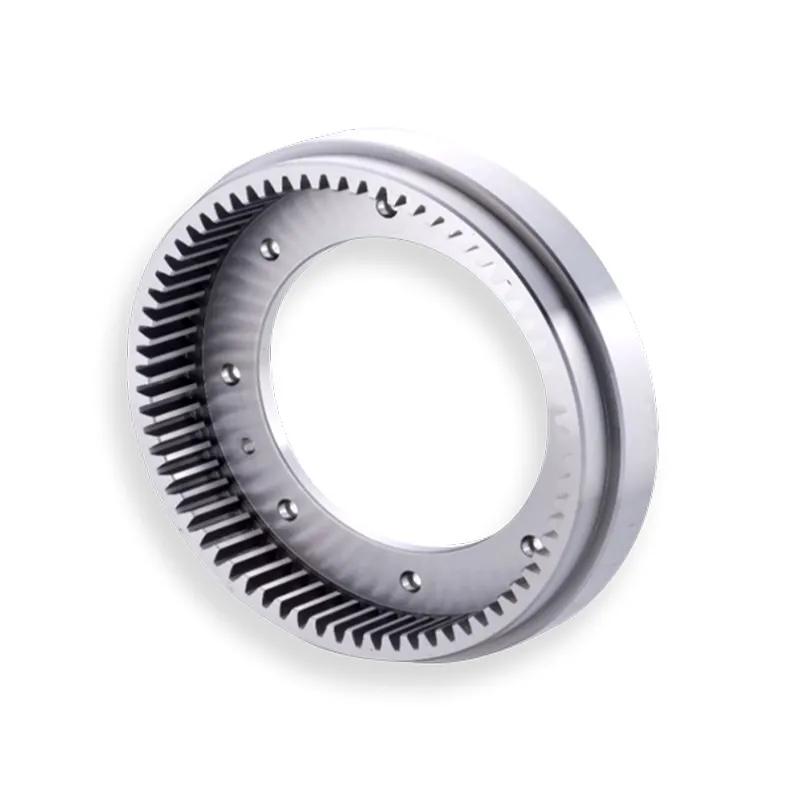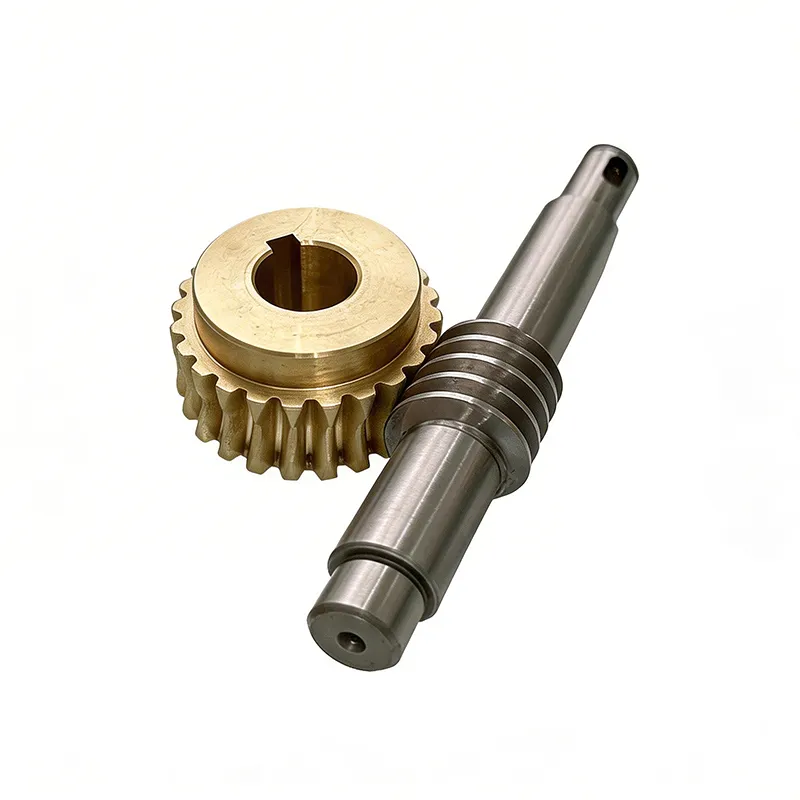
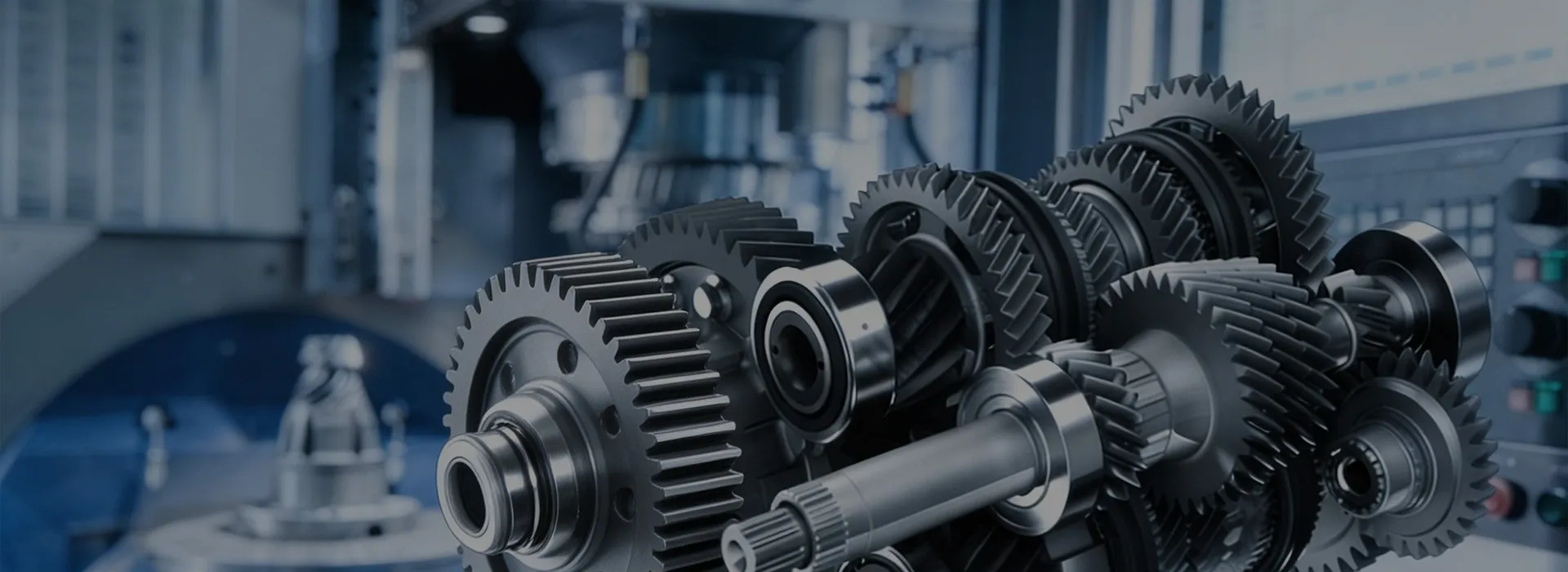
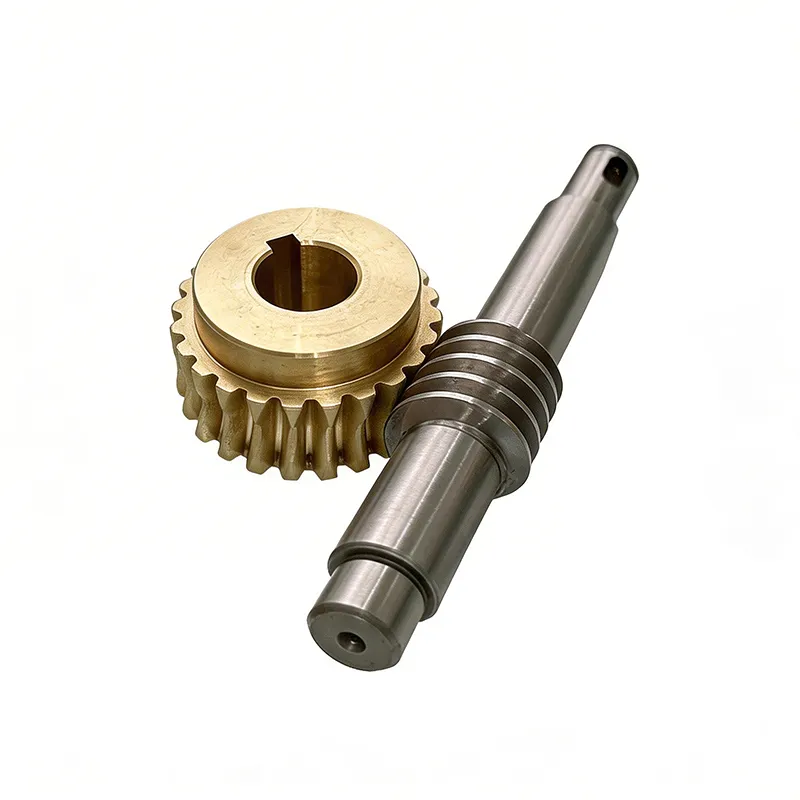
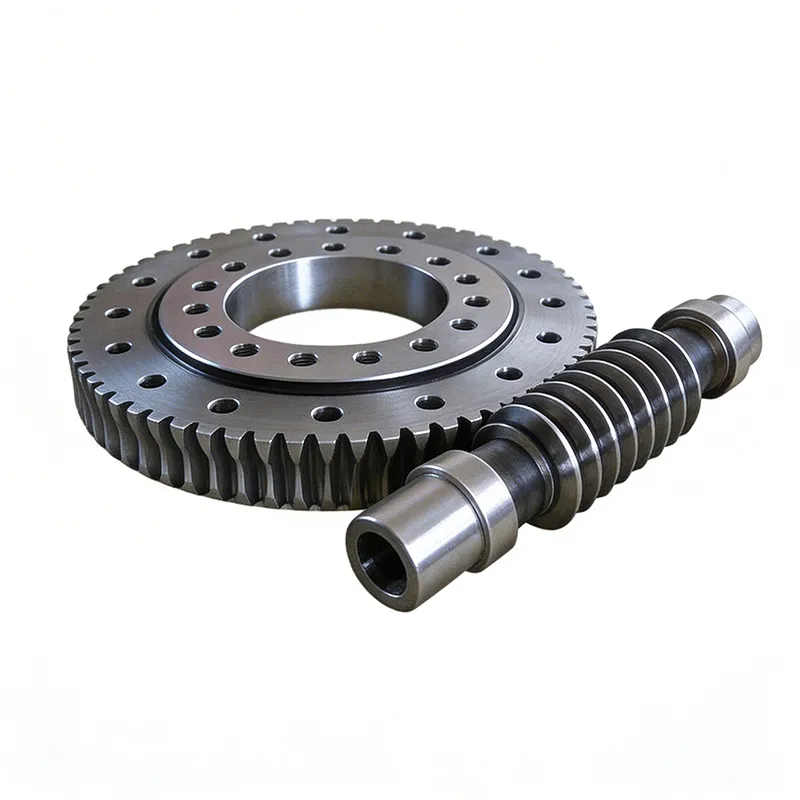
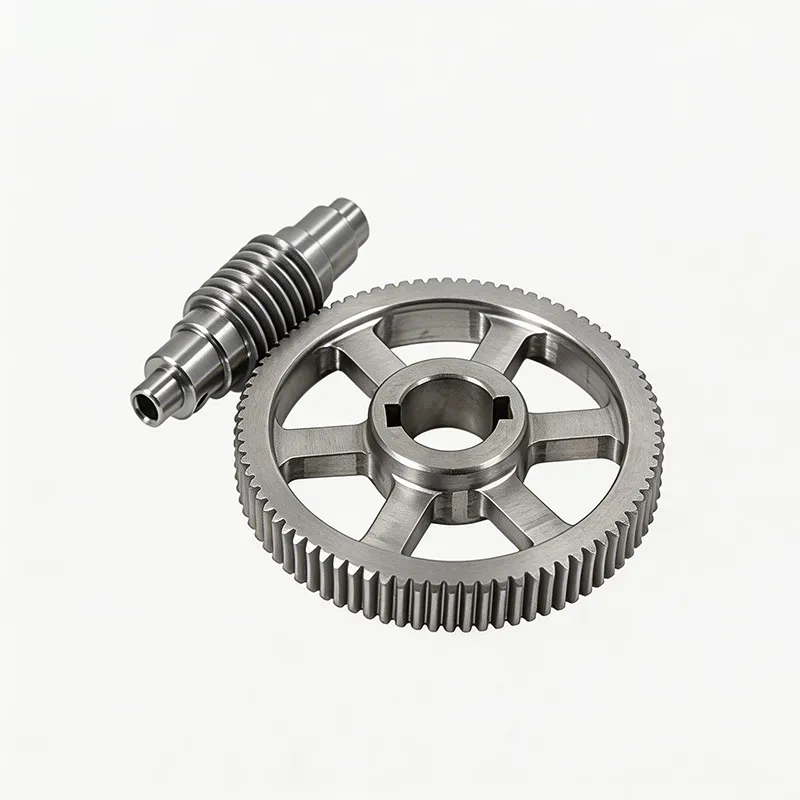
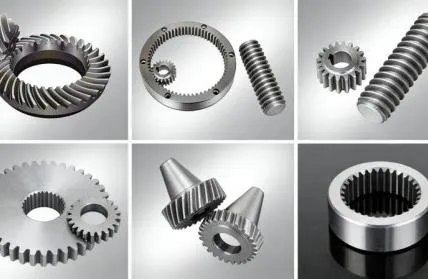
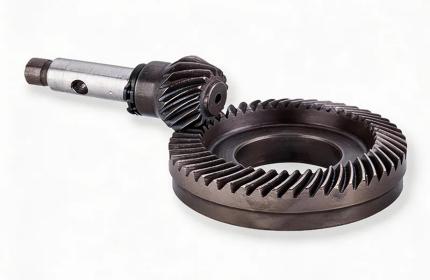
Worm gears and worm wheel sets are key transmission components widely used in reducers. The worm is usually made by high-strength alloy steel then through heat treatment and tempering processes to meet high hardness, high rigidity, and high wear resistance. The corresponding worm wheels are mostly made of brass to reduce friction coefficient, minimize wear, and suppress operating noise. Worm wheel and worm gear achieve a large transmission ratio, stable right-angle power transmission, and reliable self-locking function, effectively preventing reverse rotation. They can ensure stable performance and a long service life under heavy-load working conditions.
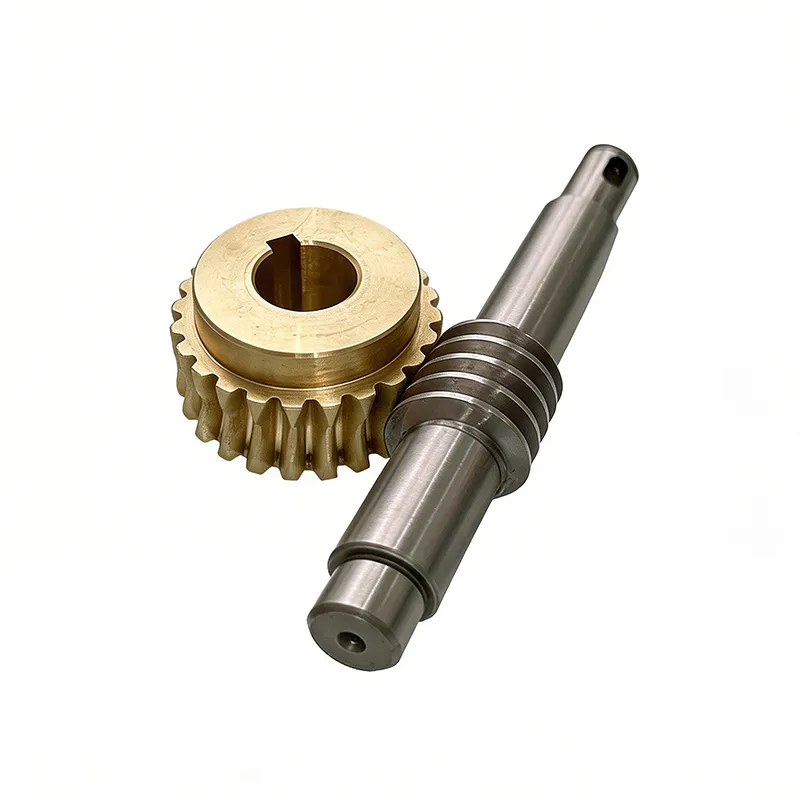
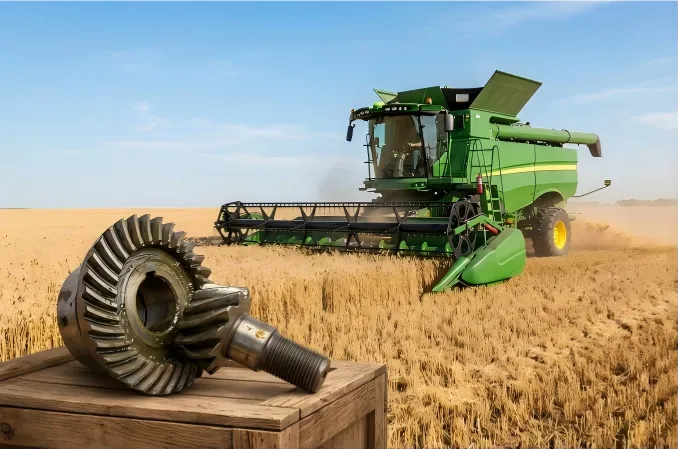
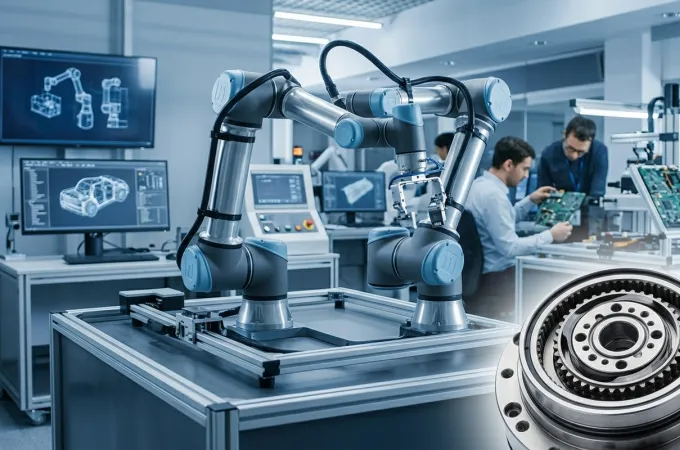
Worm and worm wheel mesh perpendicularly to form a reduction drive set. The steel worm ensures high hardness and strength, while the brass worm wheel reduces friction and noise. They feature a large speed ratio, compact structure, stable transmission and reliable self-locking. Widely applied in gearboxes, packaging machines, agricultural equipment and lifting machinery, they bear heavy loads, run smoothly and deliver long-lasting stable performance for industrial power transmission.
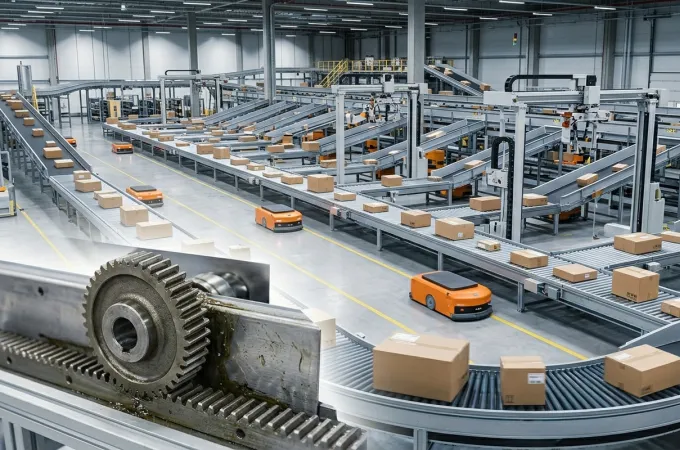
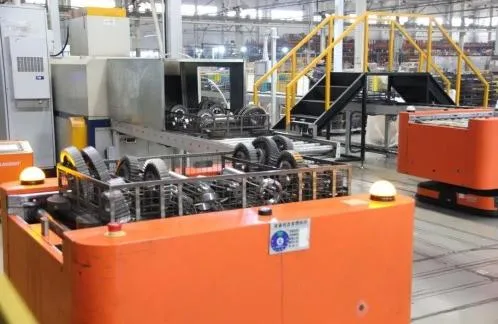
These worm gears are employed in systems that demand high reduction ratios and self-locking capabilities, including packaging machinery and conveyor systems.
| Technical Parameter | Specifications / Range |
| Worm Wheel | Phosphor Bronze (QSn10-1), Brass, Cast Iron |
| Worm Shaft | Stainless Steel, Hardened Steel (40Cr, 20Cr) |
| Module | 0.5 - 8.0 |
| Start/Lead | 1, 2, 3, 4 Starts |
| Ratio | 1:10 - 1:100 (Single Stage) |
| Precision | Grade 7 - 9 |
| Applications | Conveyor Systems, Packing Machines, Lifts |
 English