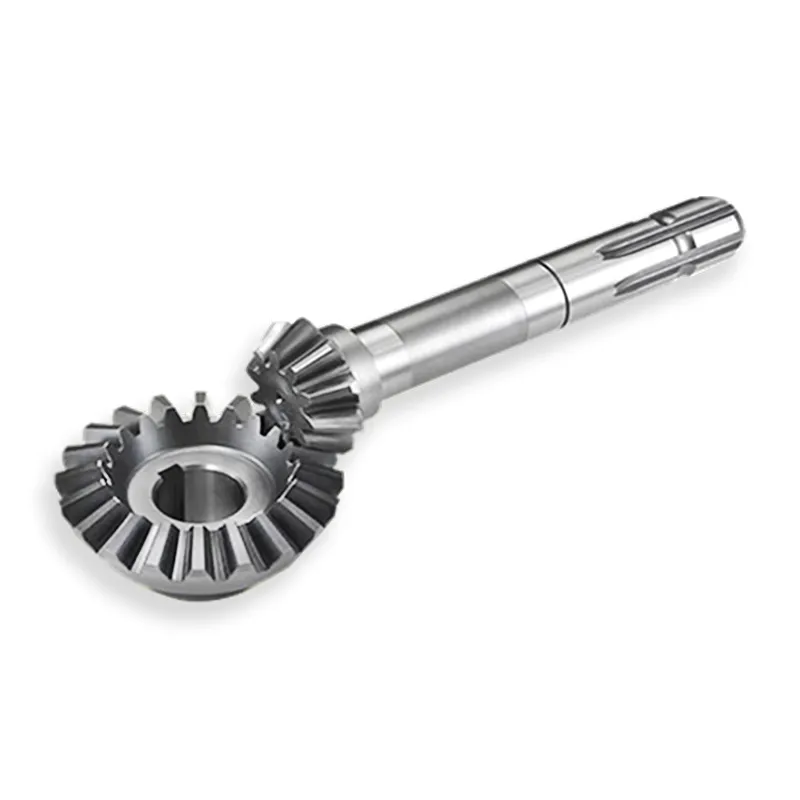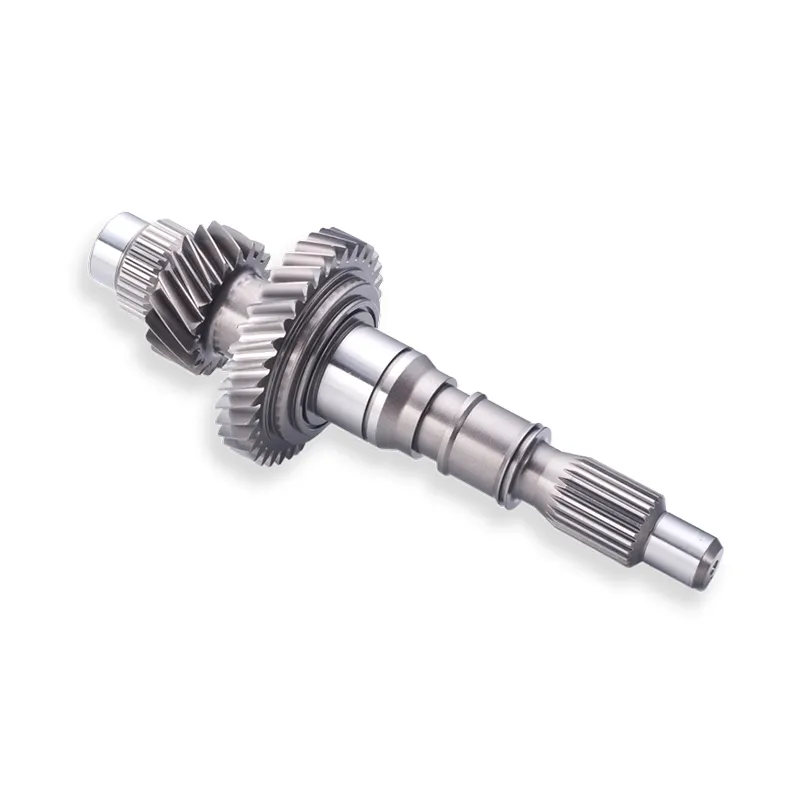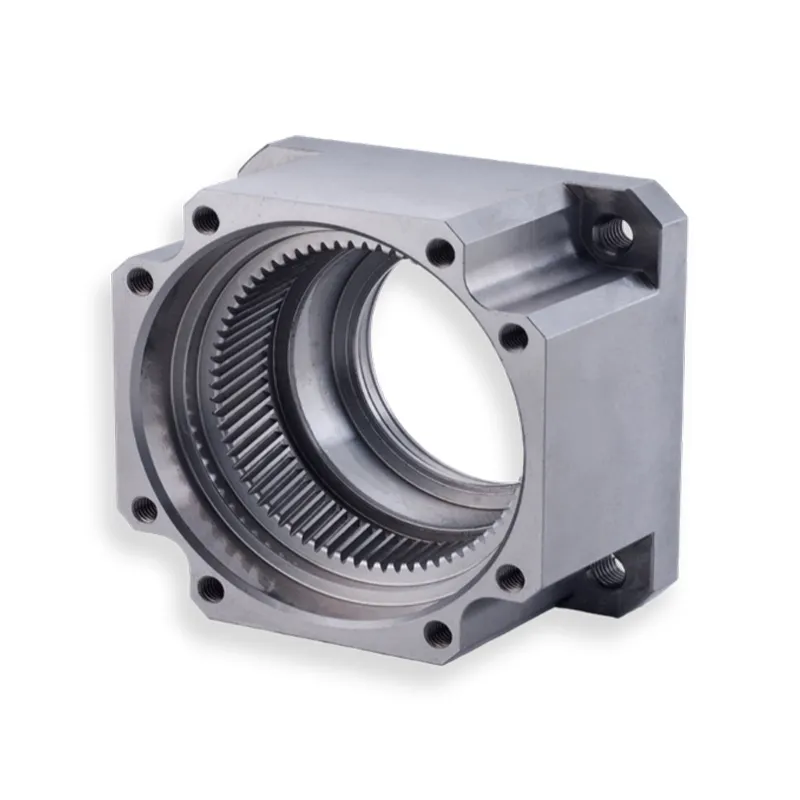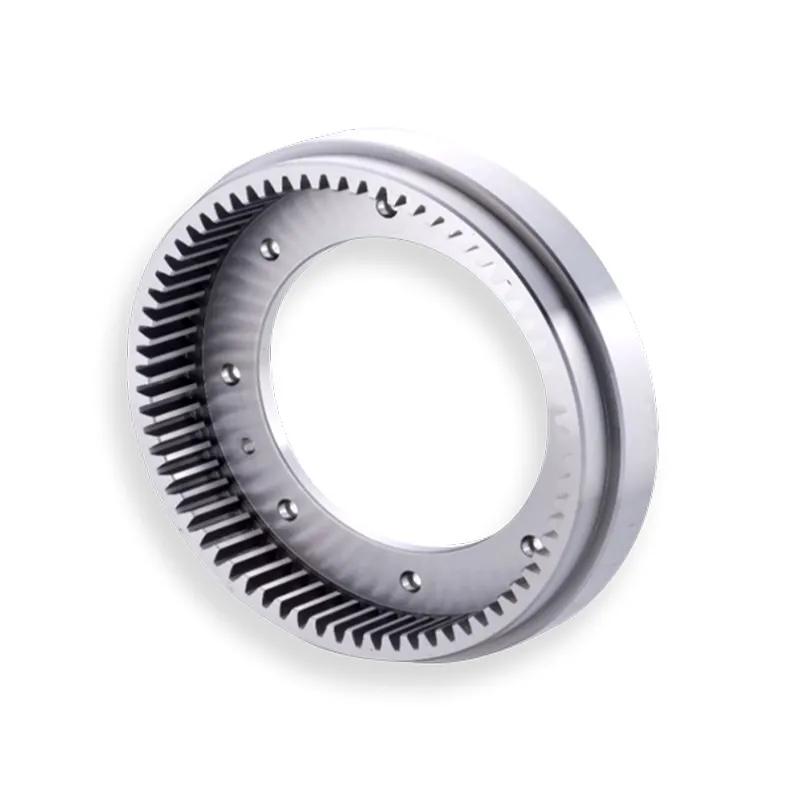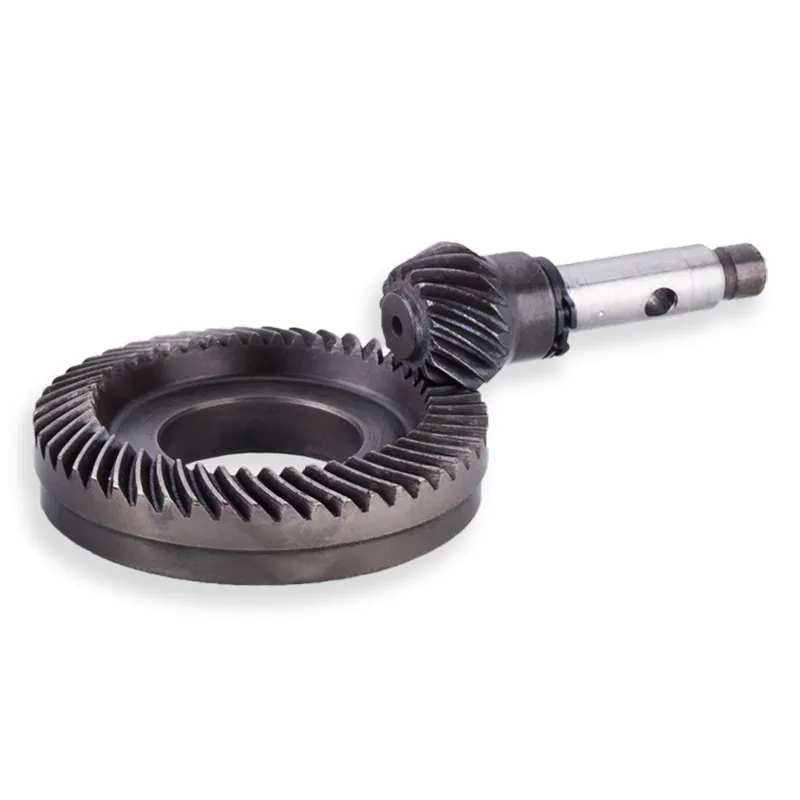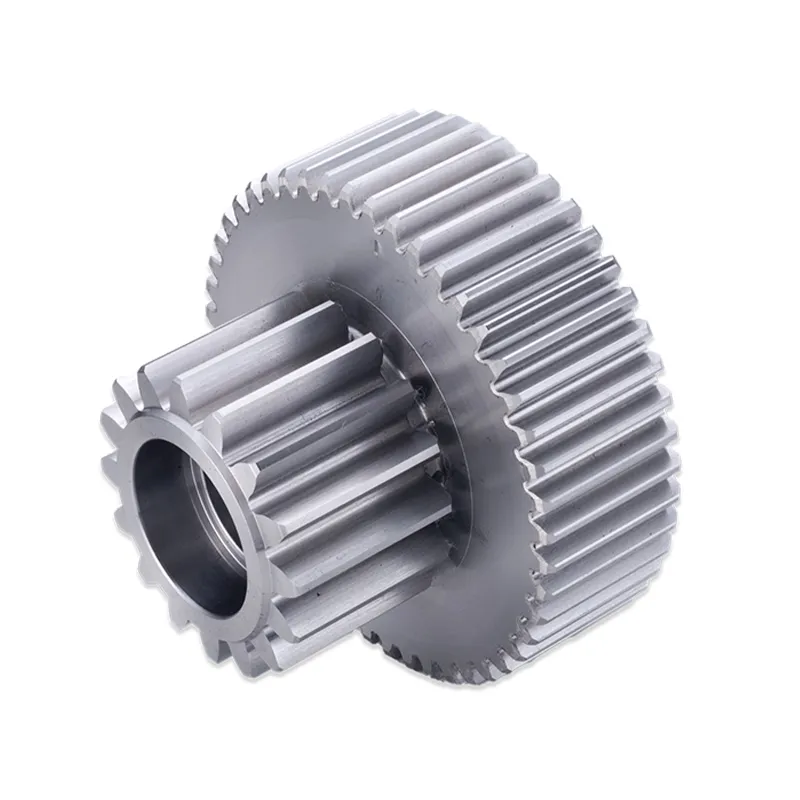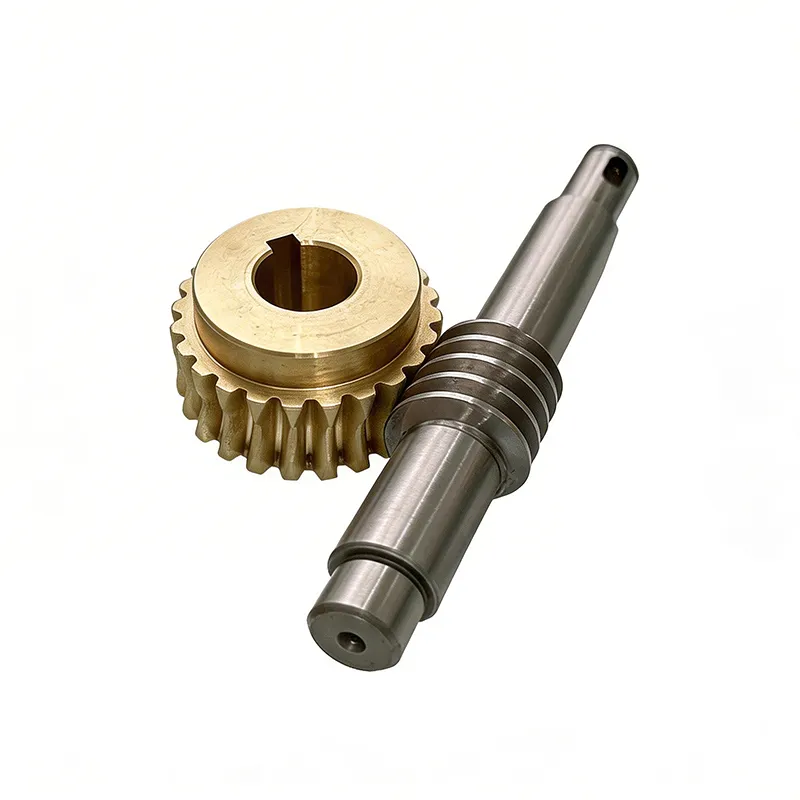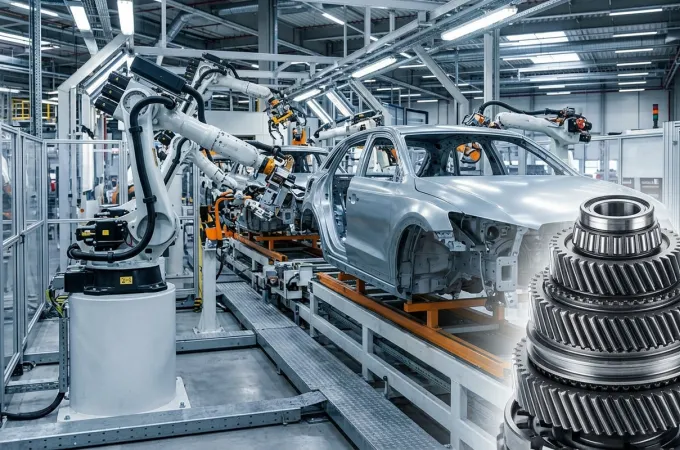
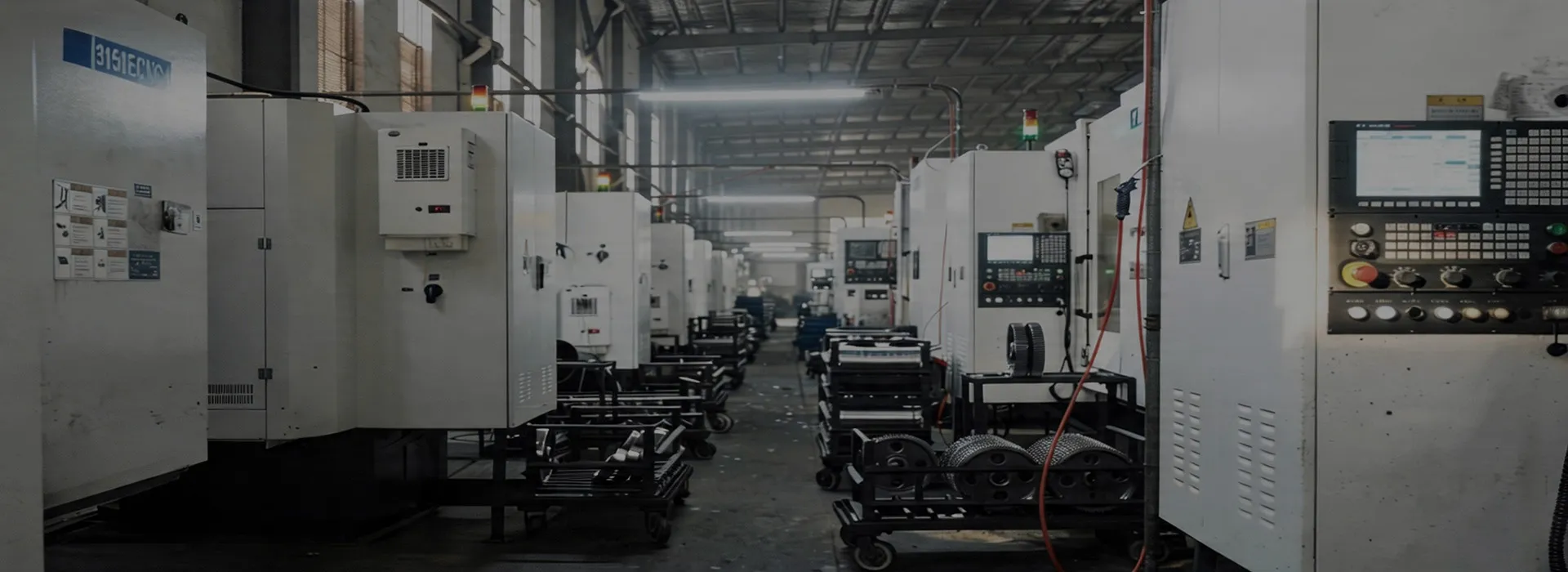
At PTK Gear, we firmly believe that in the field of power transmission, quality is the foundation of reliability. Our pursuit of excellence runs through every gear we produce, from the initial material selection to the final packaging process.Our quality assurance process begins with rigorous raw material inspection, control of the manufacturing process, and final product testing using the gear measurement center and CMM. We verify each key parameter in accordance with AGMA and DIN standards, including tooth profile, lead, pitch, and runout, etc.By choosing PTKgear, you receive not just components, but a guarantee of performance. PTKgear: Precise quality, unimpeded transmission.

Raw material is cut into cylindrical shapes (blanks) via forging, casting, or directly

Forge blanks to improve material structure

Enhance machinability and relieve stress

Machine outer diameter, inner hole and end face

Hobbing, shaping or milling to formgear teeth

Improve gear hardness and wear resistance

Grind tooth surface, bore and end face to meet precision

Remove burrs and clean oil stains

Check dimensional accuracy, hardness and tooth profile

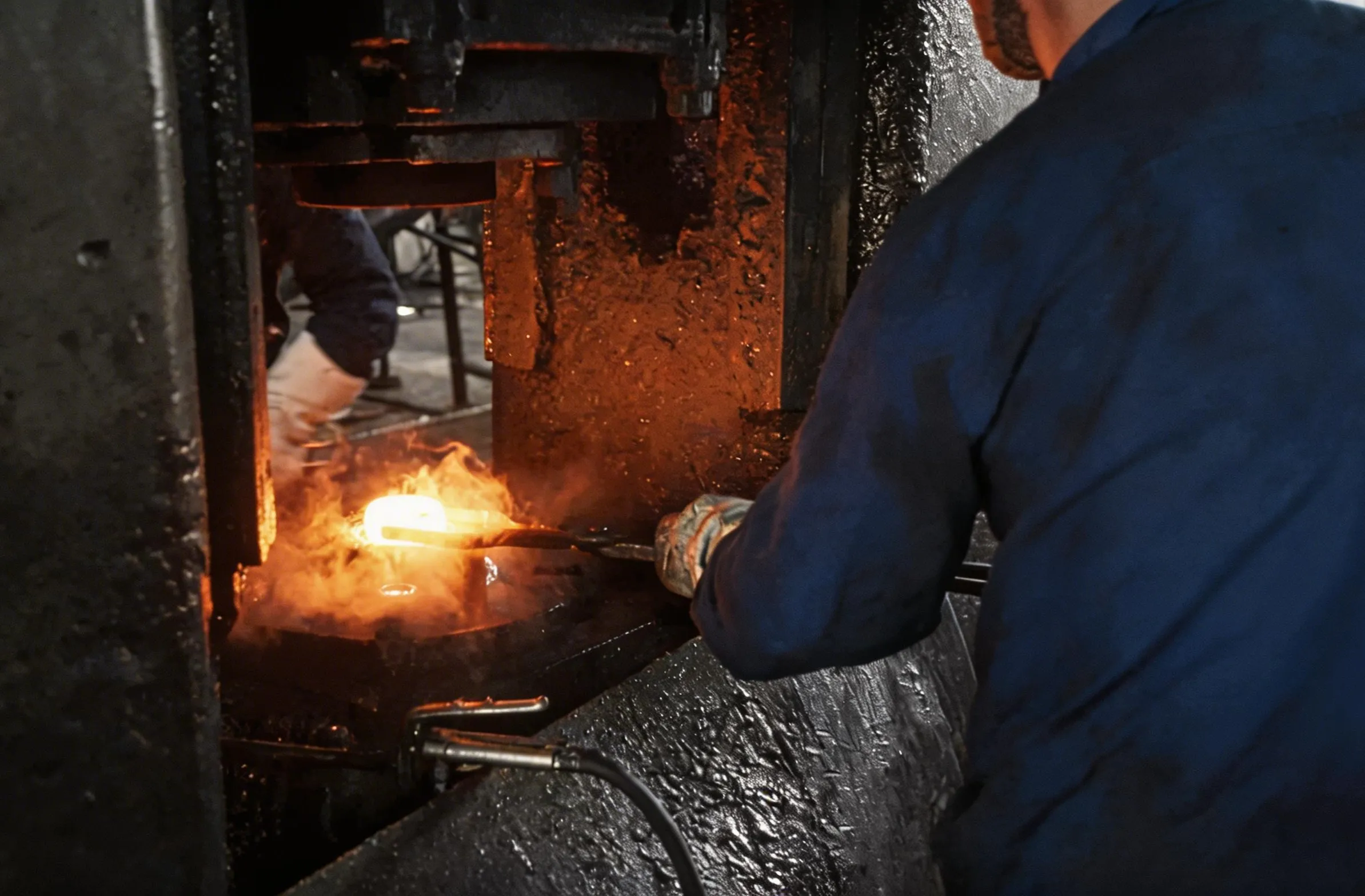
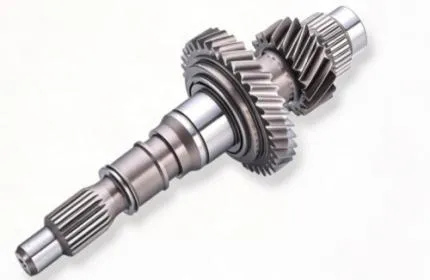
PTK Gear gear forging process employs precise hot forging to create near-net-shape blanks with superior grain flow. Compared to cutting from stock, improve the strength and durability of the teeth, This process ensures high density, impact resistance, and material efficiency. It produces reliable and durable gears, making them ideal for heavy-duty applications.
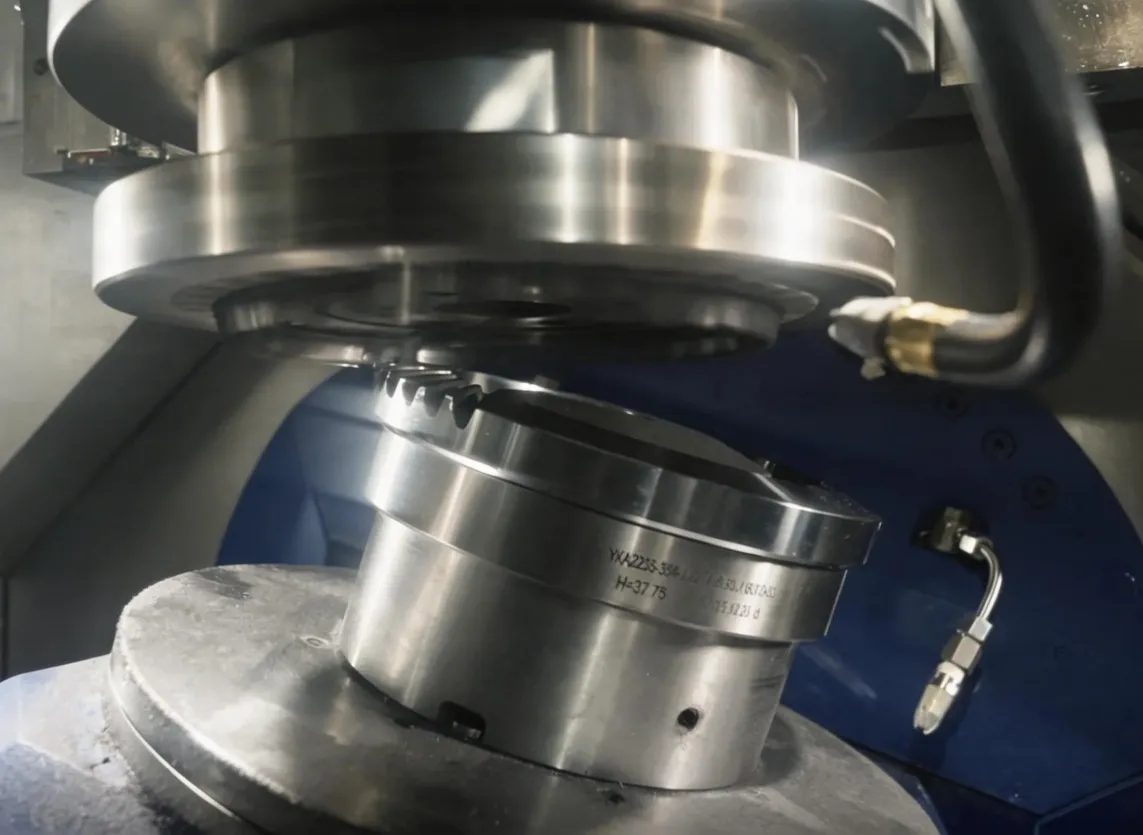
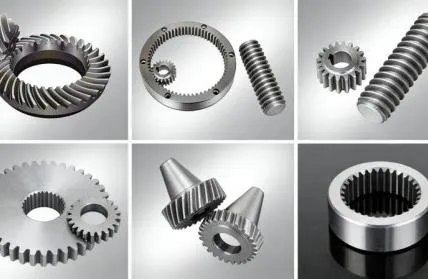
PTK Gear offers a variety of gear processing methods such as milling teeth, rolling teeth, broaching teeth, shaving teeth and grinding teeth, to meet the customers requirements for different products and different precision levels. It can not only achieve small-batch production, but also improve the efficiency of large-scale production.
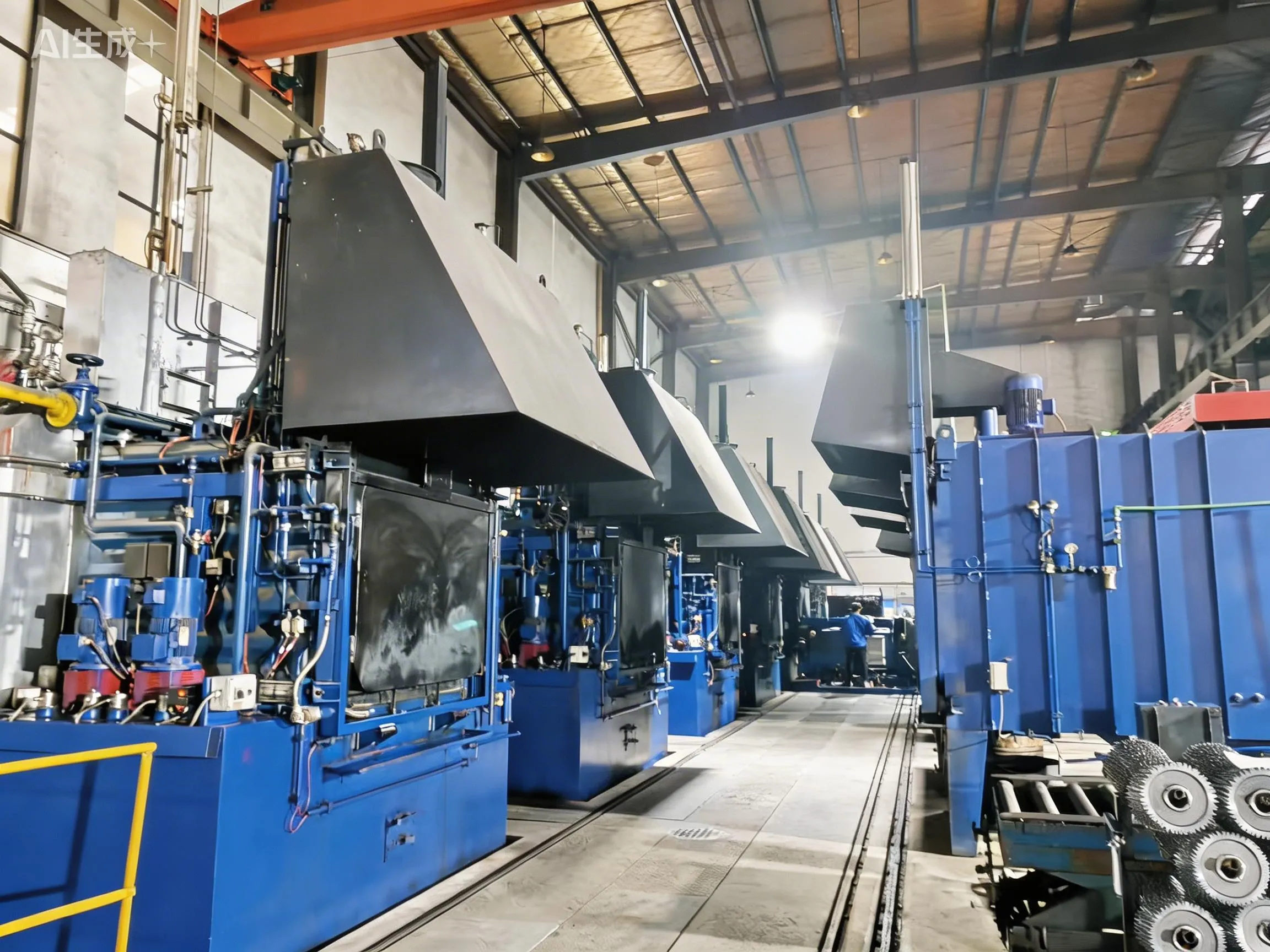
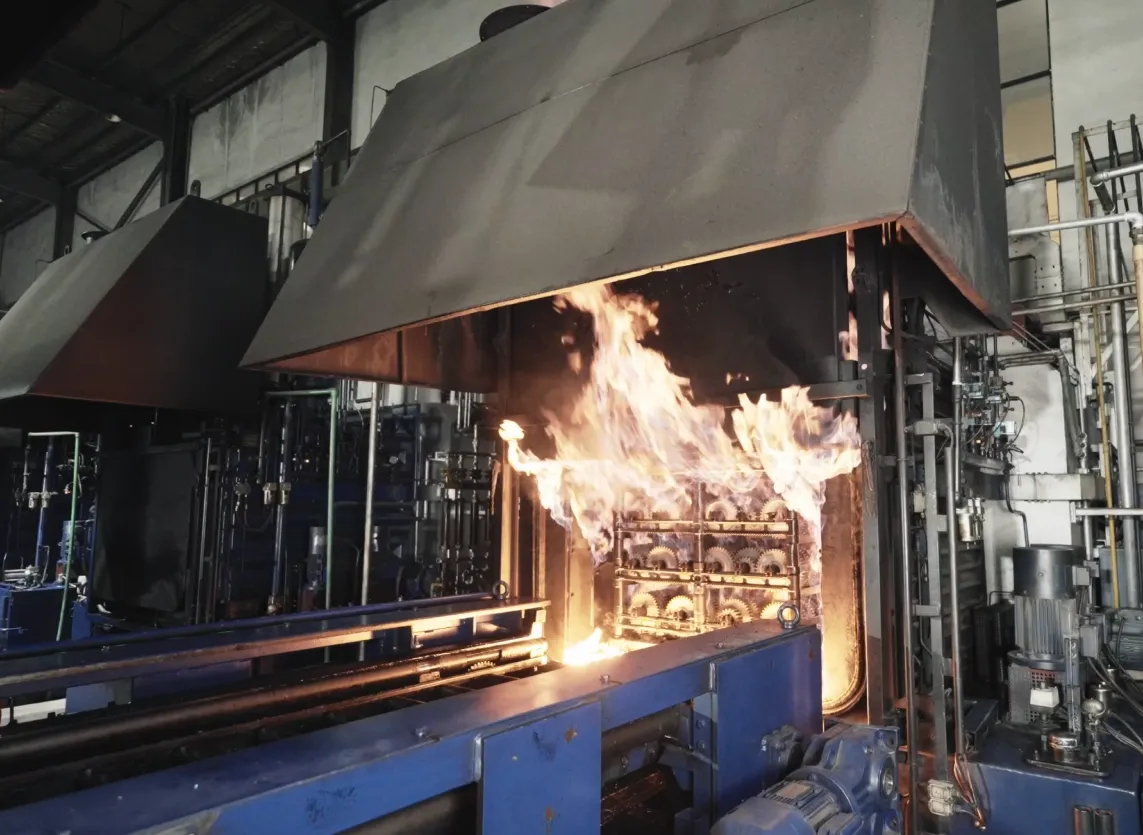
Our precise gear heat treatment process can enhance performance in various demanding applications in the automotive and industrial sectors. We have adopted a customized process flow, including carburizing and surface hardening treatments, to achieve a wear-resistant surface (with hardness ranging from 58 to 63 HRC), while maintaining a tough and ductile core. This optimizes contact and bending fatigue strength. The strict process control minimizes deformation, ensuring high precision and reliability of gears in heavy-duty, high-speed operations.
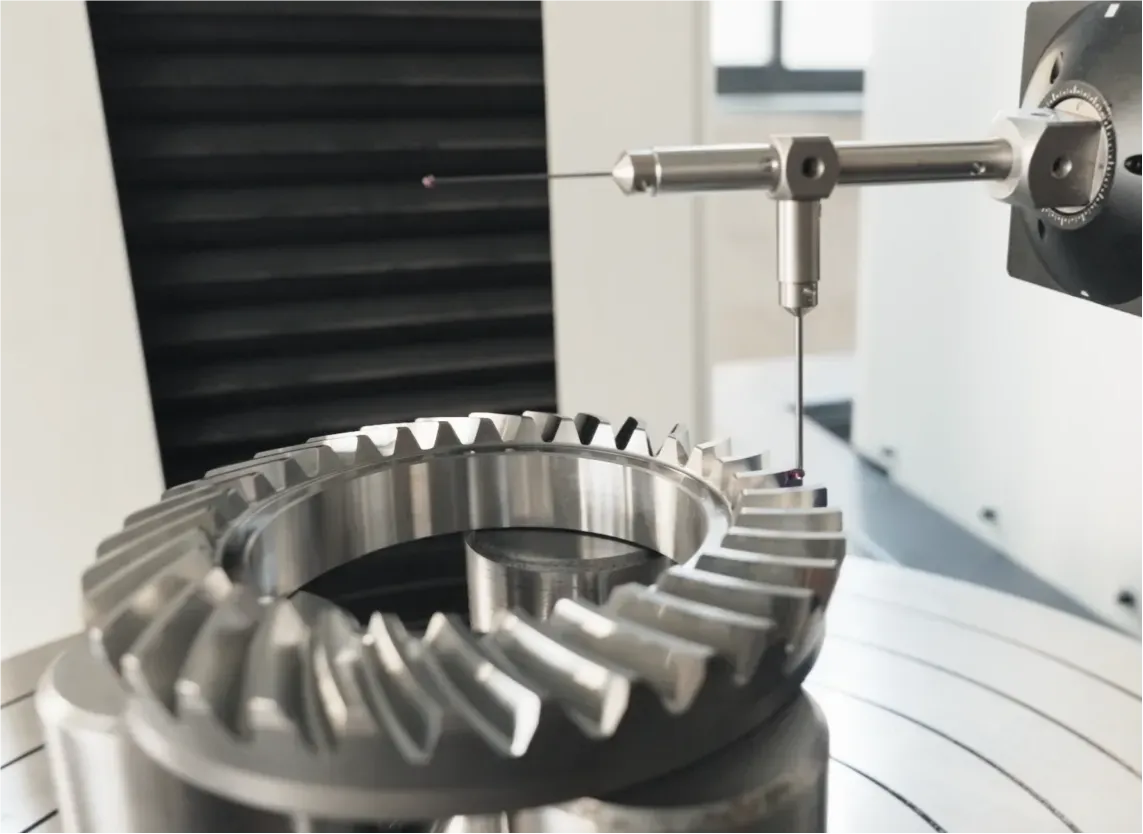
We employ the advanced Renishaw gear measurement center to conduct a complete process of precise inspection on gears. Through automatic evaluation of tooth profiles, helical lines and pitch deviations, and in strict accordance with ISO 1328 or DIN standards, we ensure the accuracy grade of each gear. During the gear production process, from the forging blank to the final heat treatment, we implement in-machine measurement and sampling inspection for key processes, effectively guaranteeing the consistency of gear geometric dimensions and micro-shaping, and providing strong data support for the smoothness and reliability of high-strength transmission.

 English