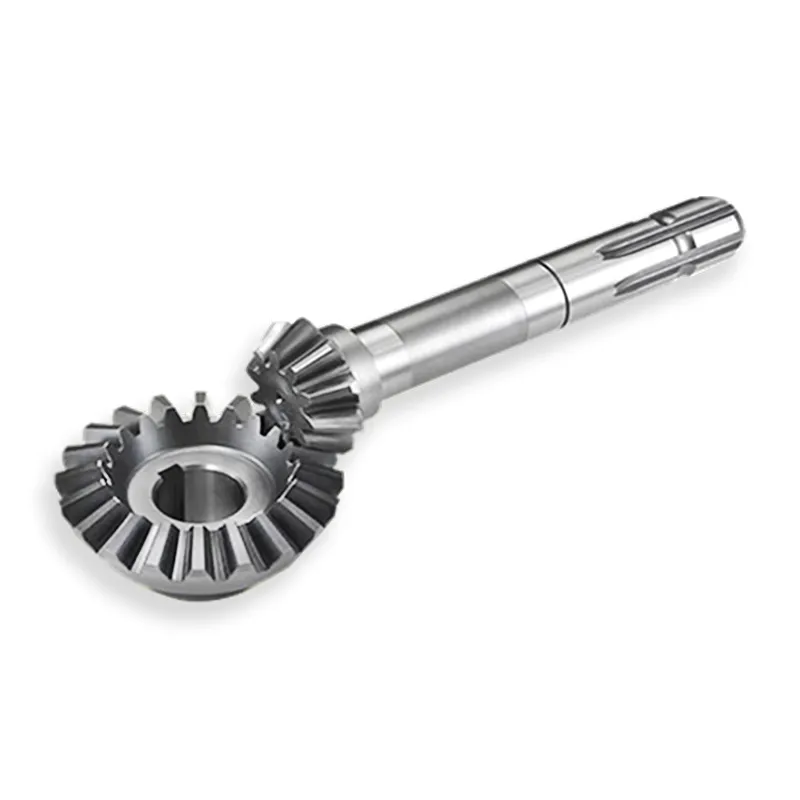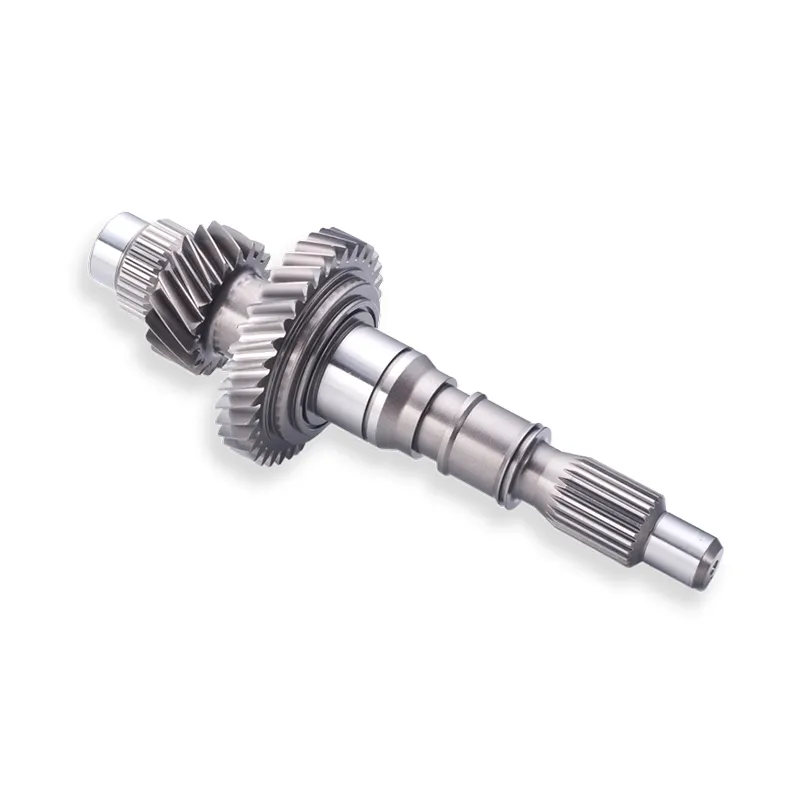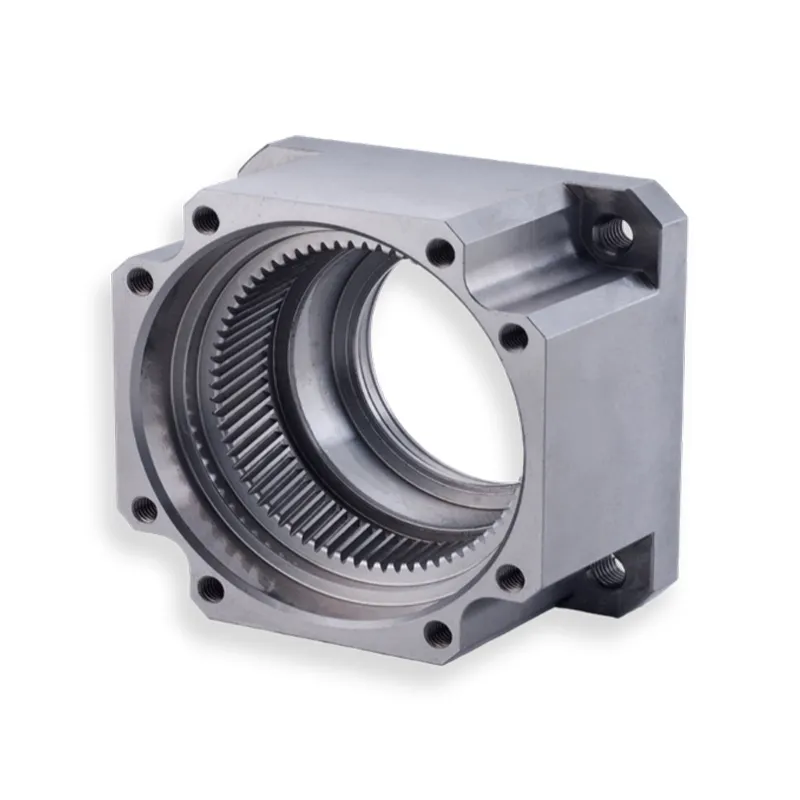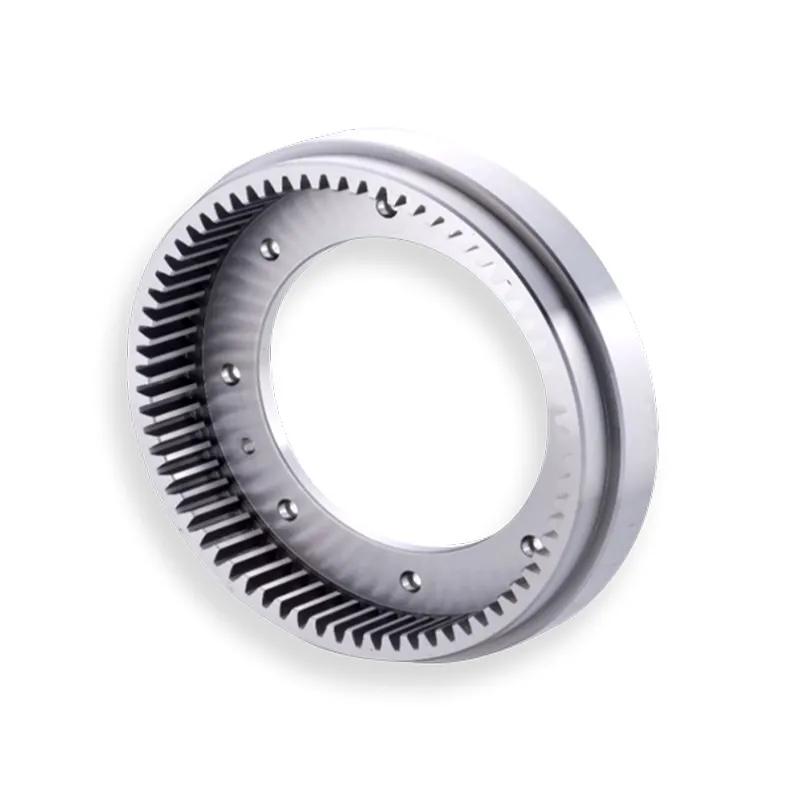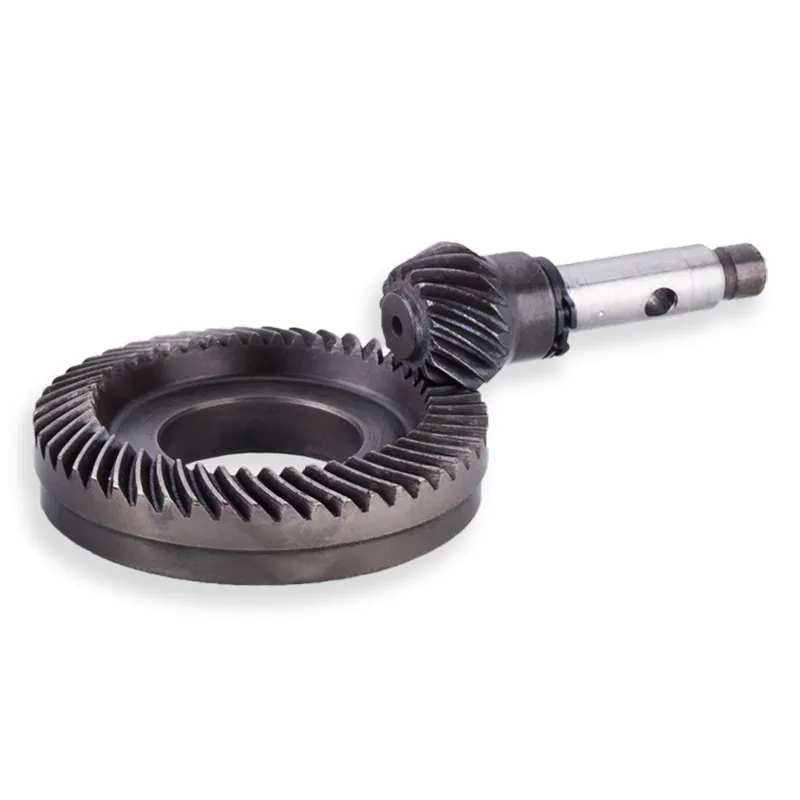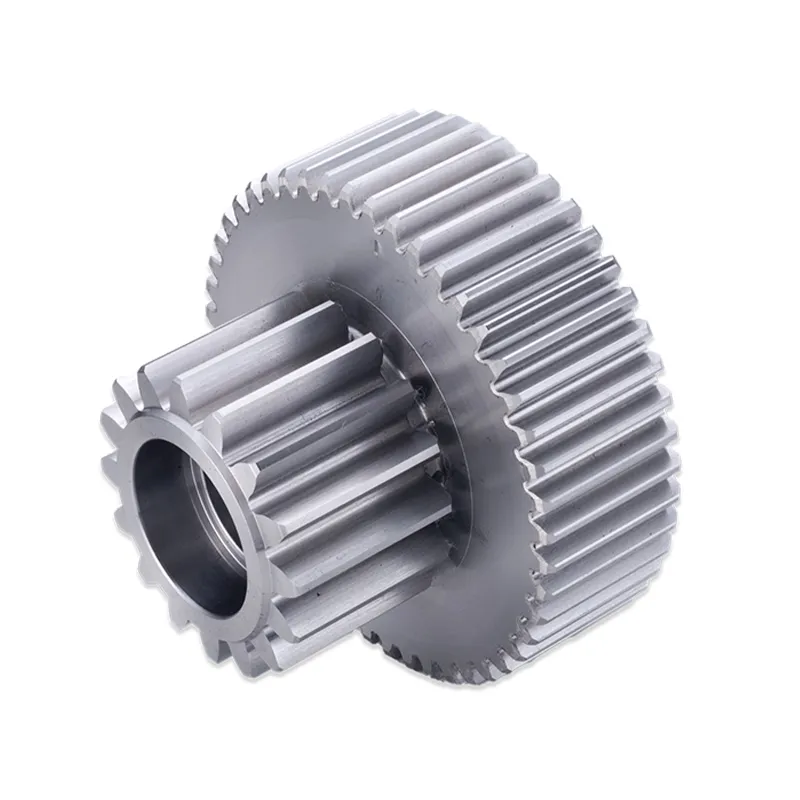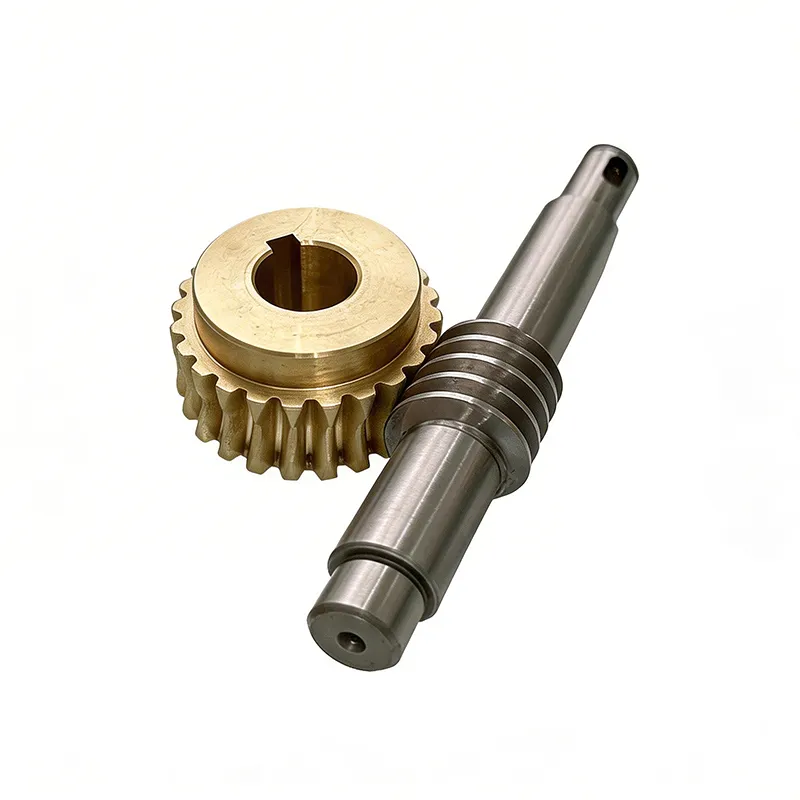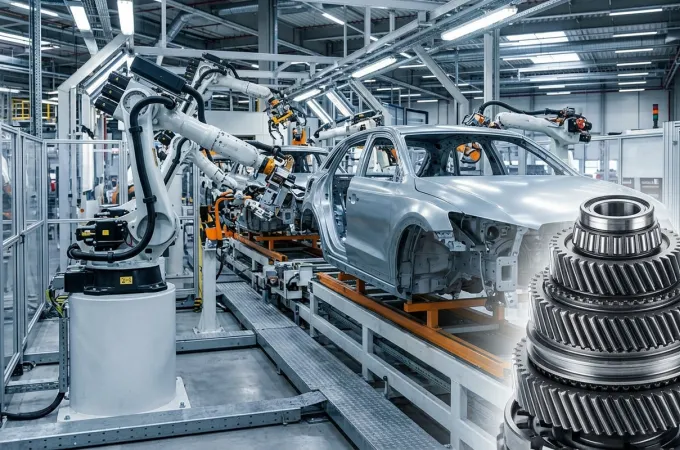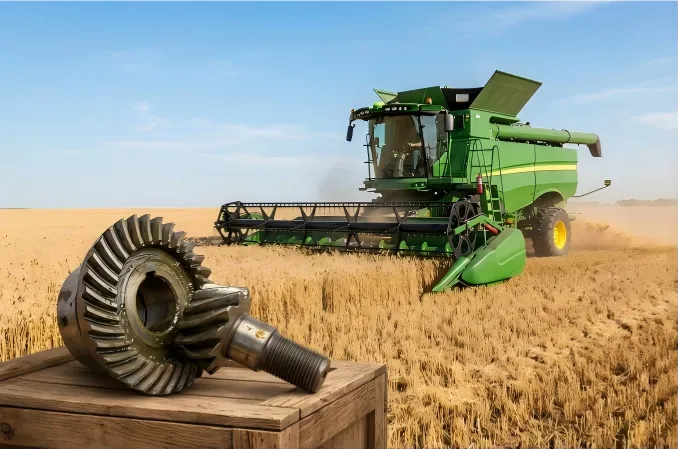
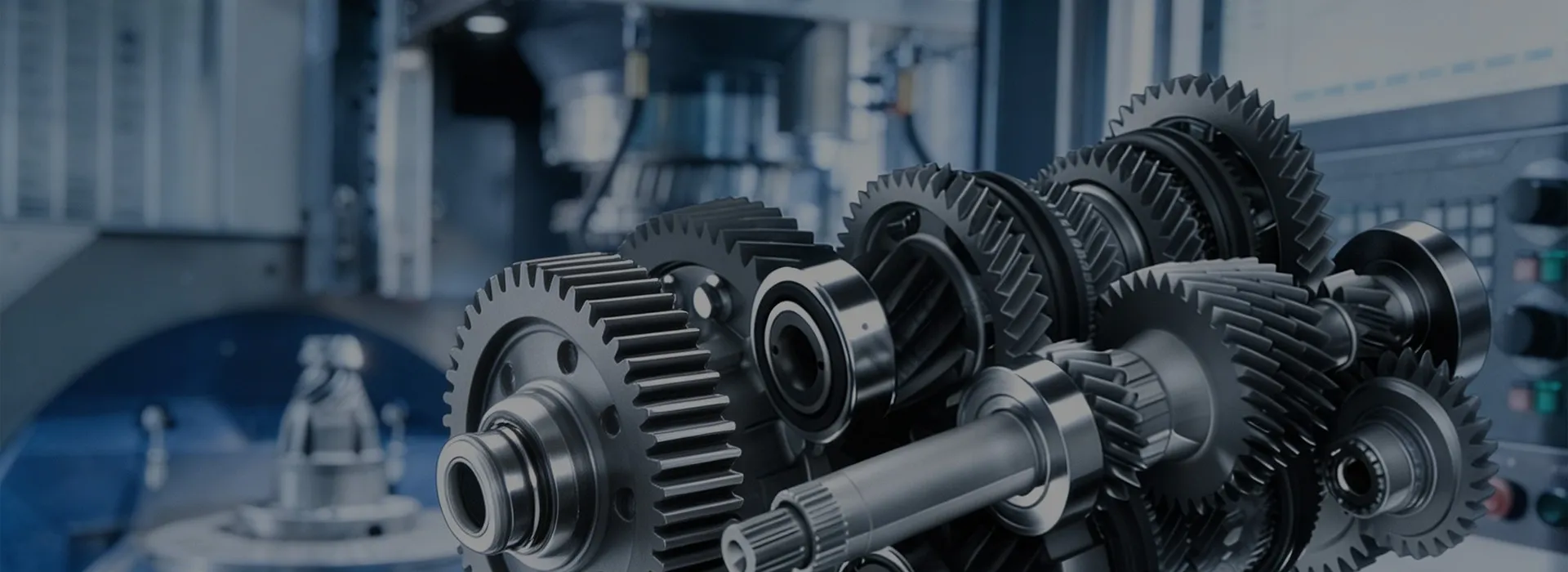
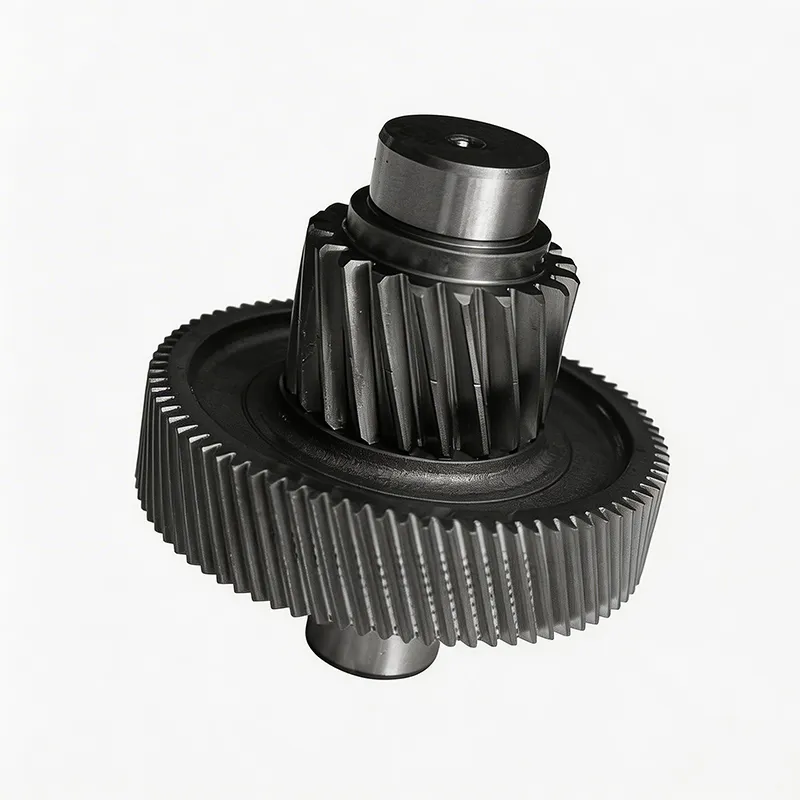
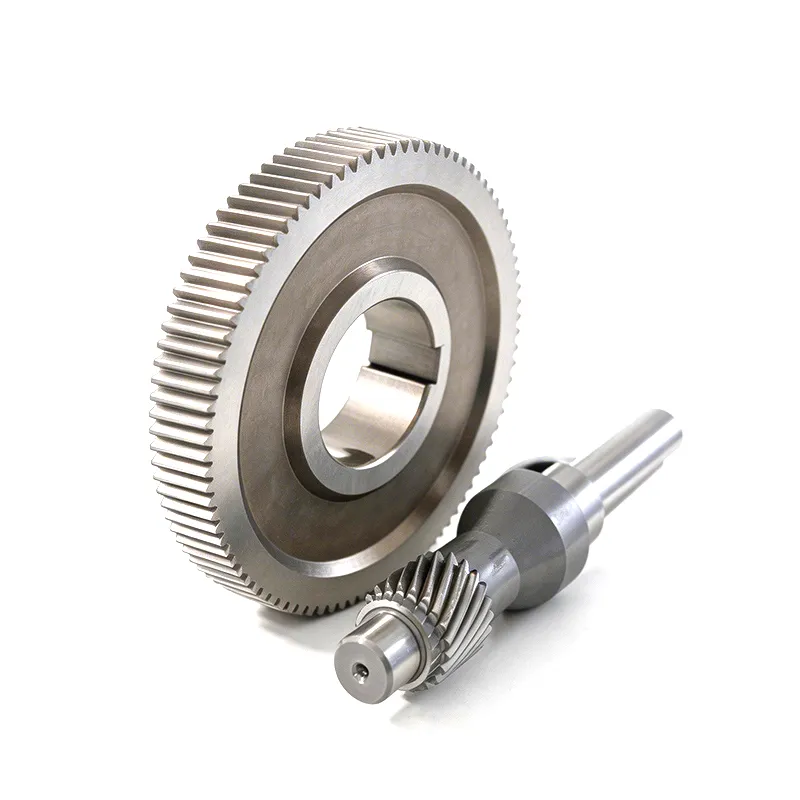
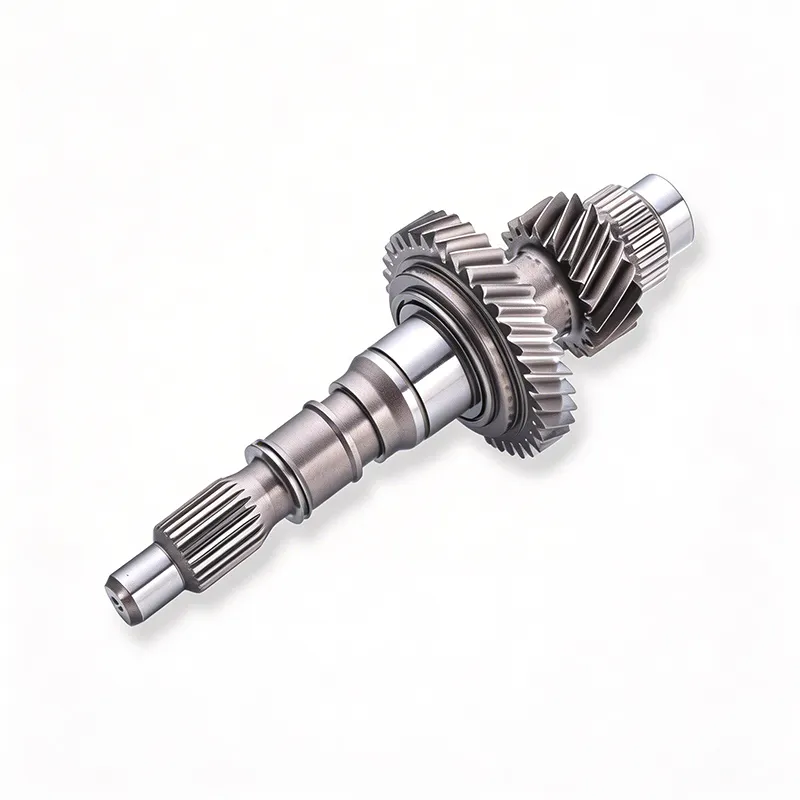
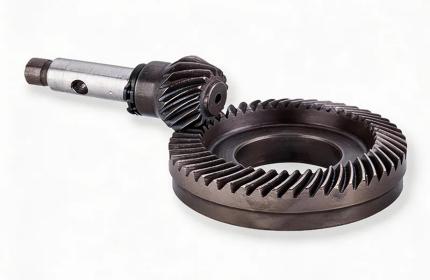
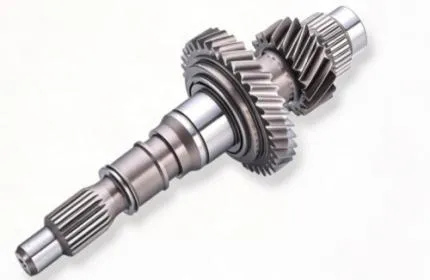
Helical gears are cylindrical gears with helical tooth lines and are widely used in high-speed and heavy-load transmissions. Their main features include: a large meshing overlap coefficient, smooth transmission, low impact and noise; higher load-carrying capacity than spur gears, suitable for high-speed and heavy-load conditions; however, axial force is generated during operation, requiring the use of thrust bearings. Their processing is more complex than that of straight teeth, with slightly higher manufacturing costs, but they have superior overall performance and are widely used in automotive gearboxes, precision machinery and other fields.
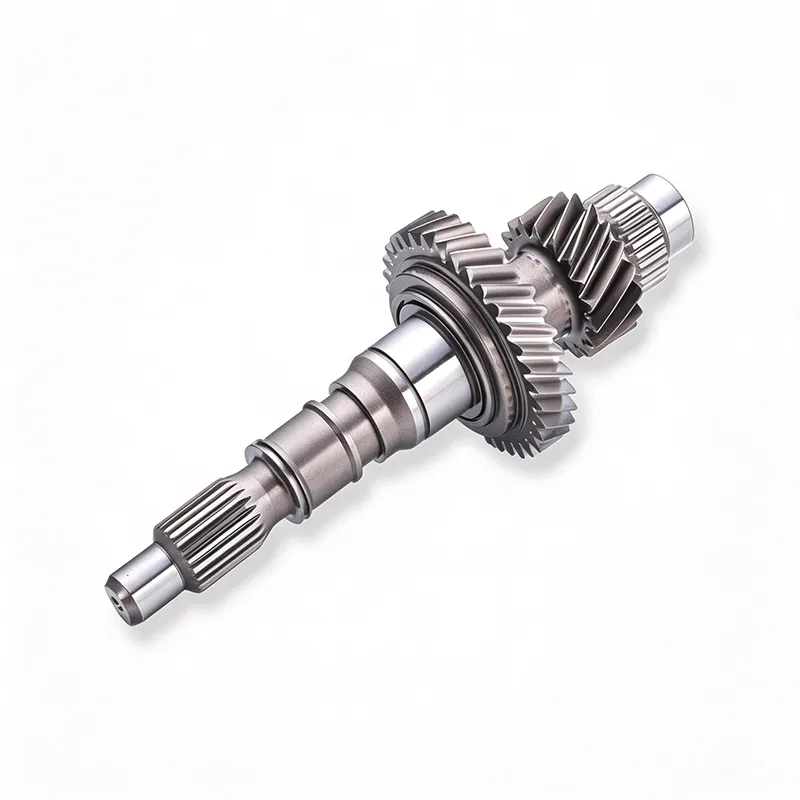
The tooth surfaces of Helical gears are arranged in a helical shape, with the tooth profile angled relative to the axis of rotation of the gear. This design allows for smoother contact during the meshing process, thereby reducing noise and vibration. The transmission principle of helical gears achieve continuous and smooth transmission through the inclined meshing of teeth, with the tooth surfaces gradually coming into contact and separating. This is more smooth compared to straight gears. During transmission, axial forces are generated, requiring axial positioning. They are commonly used in machine tools, automotive gearboxes, reducers, fans, and other high-speed, heavy-load, and low-noise transmission scenarios.
Helical gears provide smooth, quiet, and reliable power transmission under high-speed and heavy-load operating conditions and find extensive application in industrial gearboxes and automotive transmission systems.. The following technical parameters outline PTK's available materials, module range, helix angles, machining processes, surface treatments, shaft diameters, and typical applications, helping buyers select or customize the right custom gear solution for industrial gearboxes and automotive transmission systems.
| Technical Parameter | Specifications / Range |
| Material | Alloy Steel (20CrMnTi, 8620H), Quenched & Tempered Steel |
| Module | 0.8 - 10 |
| Helix Angle | Left or Right hand, 15° - 45° (Customizable) |
| Process | Hobbing , Gear Grinding , Shaving |
| Surface Treatment | Shot Peening, Zinc Plating, Phosphate |
| Shaft Diameter | 10mm - 200mm |
| Applications | Reducer Gearboxes, Lifting Machinery, Automotive |

 English