In the modern automotive landscape, the humble gear is undergoing a renaissance. As the industry pivots toward electrification, hybridization, and autonomous driving, the mechanical demands placed on the automotive gearbox, differential, and e-axle have never been more stringent. For engineers and procurement specialists, selecting the right transmission gear is no longer just about torque capacity; it is about optimizing system efficiency, eliminating noise, and ensuring longevity under unprecedented operating conditions.
At PTK Gear, we understand that the powertrain is the heart of the vehicle. Whether it is a high-performance internal combustion engine (ICE) vehicle or a cutting-edge electric vehicle (EV), the gear system serves as the critical interface between power generation and motion. In this article, we explore the key trends driving the automotive gears market and how precision manufacturing is solving the industry's most pressing challenges.
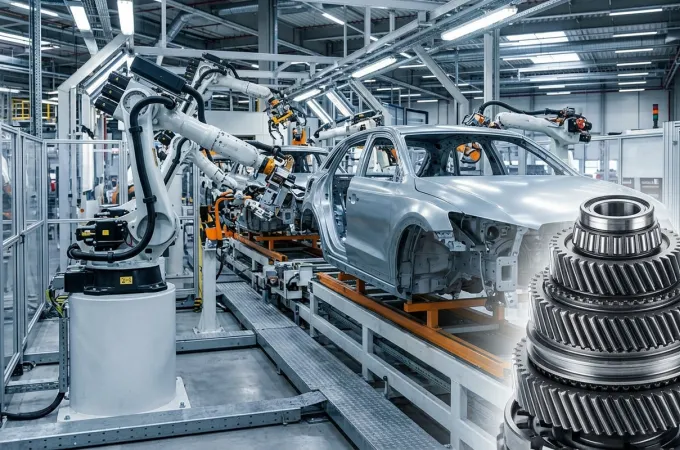
The automotive sector is currently experiencing a seismic shift. While traditional manual transmissions and automatic transmissions (AT) remain prevalent in many markets, the rise of hybrid vehicles (HEVs) and battery electric vehicles (BEVs) has introduced new architectures such as the e-axle and reduction gearbox.
In an electric vehicle, the need for a multi-speed transmission is reduced, but the demand for a high-speed, ultra-quiet reduction gear has skyrocketed. EV motors often spin at speeds exceeding 20,000 RPM. Consequently, the high-speed gears used in these units must exhibit superior surface durability, bending fatigue strength, and dimensional stability. A failure in an EV gear not only results in mechanical breakdown but also creates a significant warranty risk due to the high torque density.
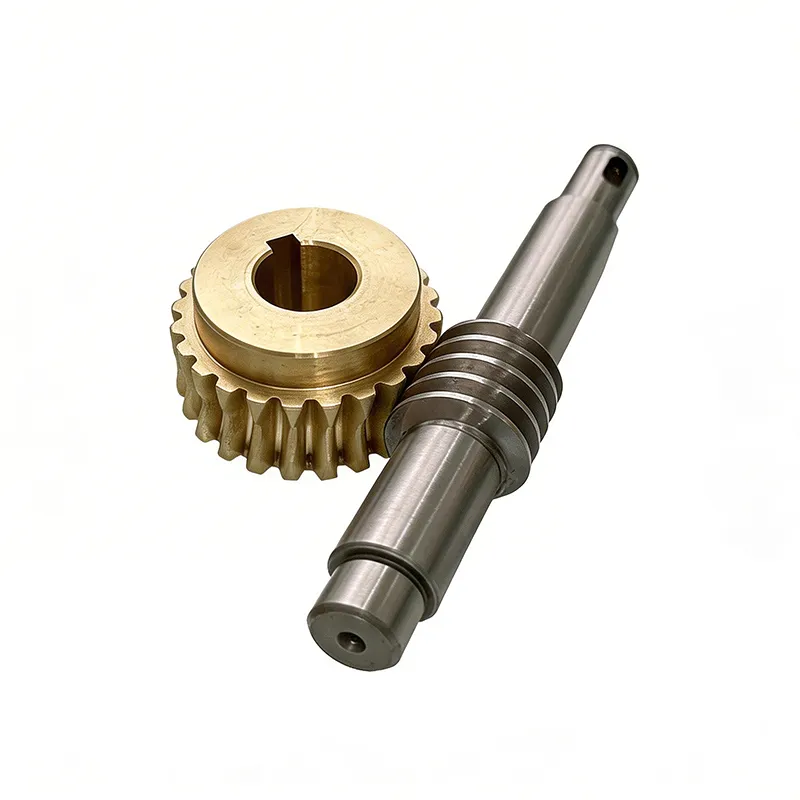
To meet the diverse needs of the automotive industry, we specialize in a wide array of gear products. Understanding the specific application is key to optimizing performance:
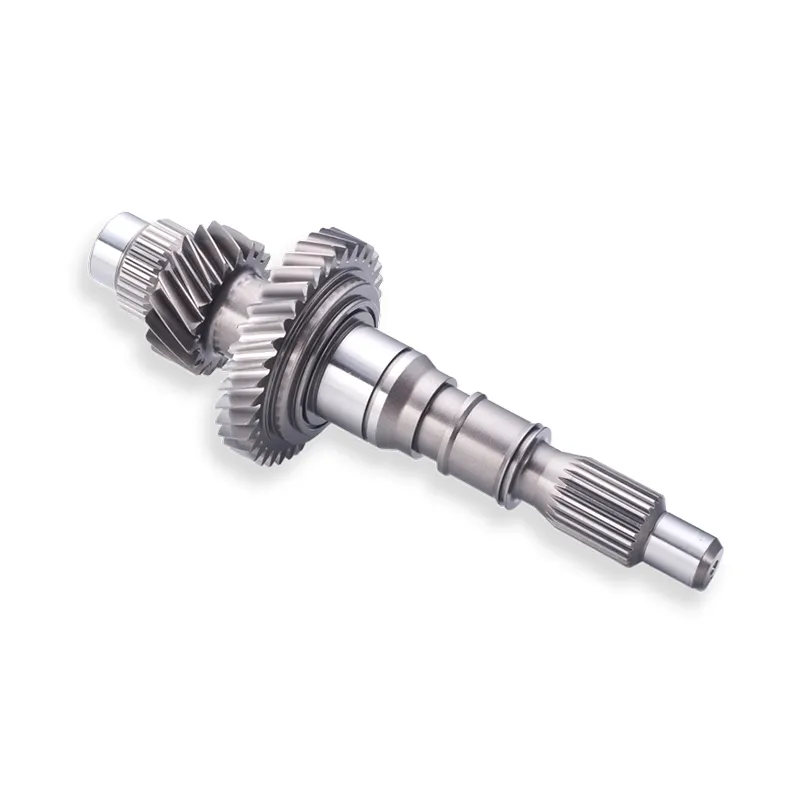
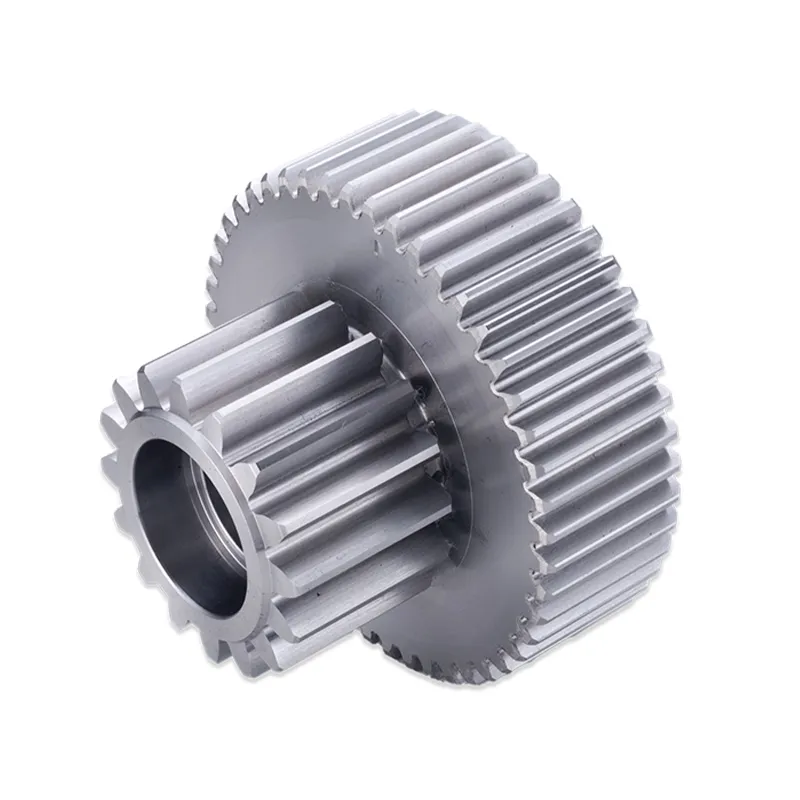
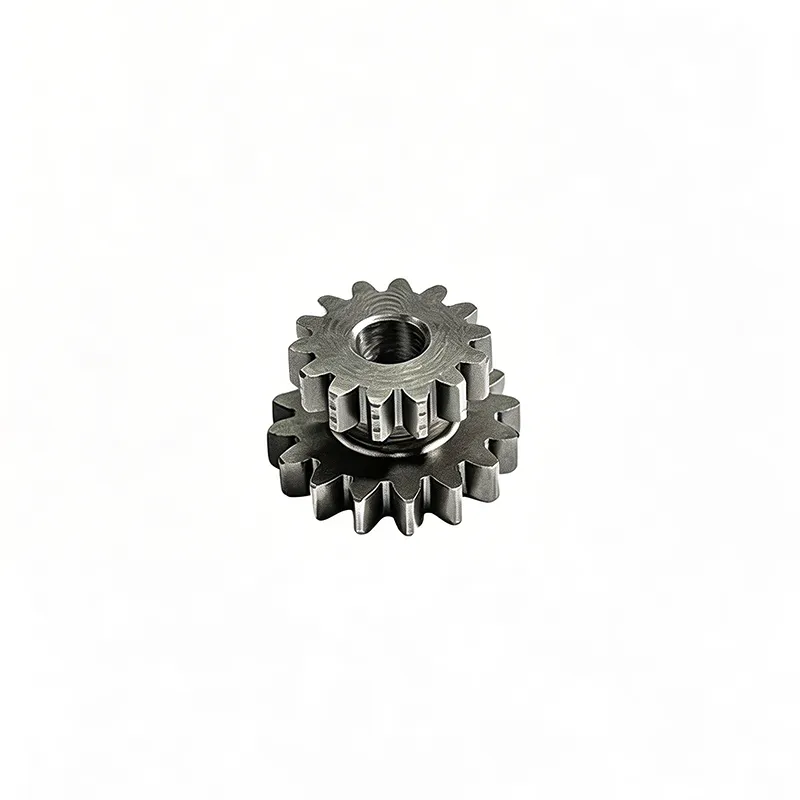
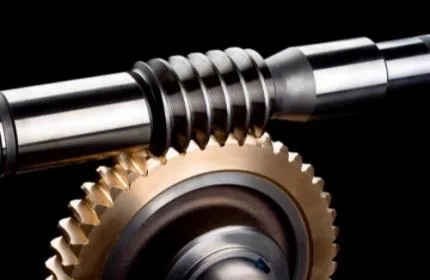
Helical Gears: The backbone of most modern automotive transmissions. Their angled teeth allow for smoother and quieter operation compared to spur gears. For EV applications, precision-ground helical gears are essential to mitigate the "whining" noise that is no longer masked by an internal combustion engine.
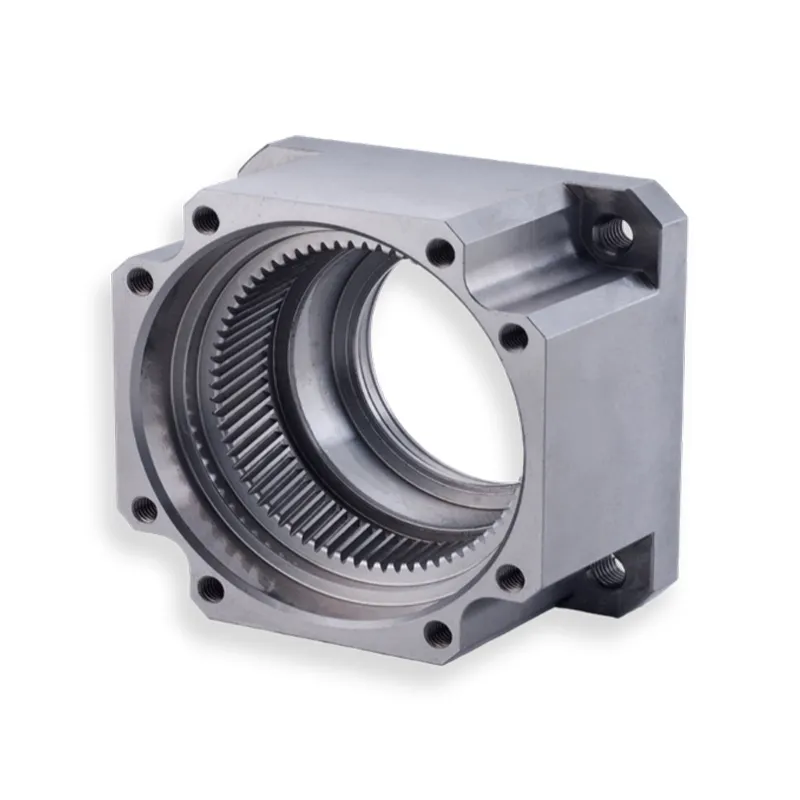
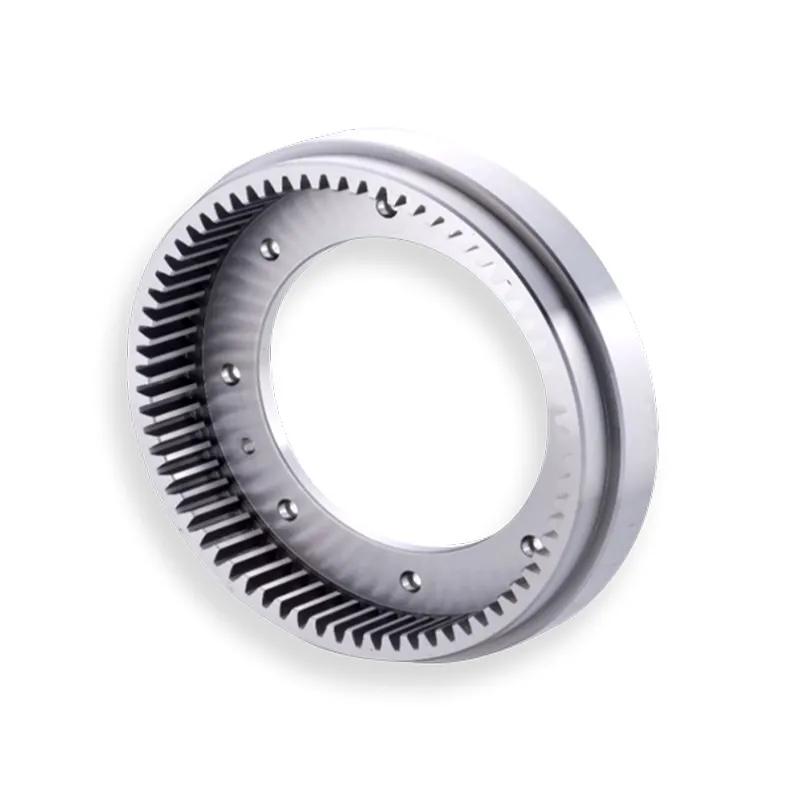
Planetary Gear Sets: Integral to automatic transmissions and hybrid powertrains, planetary gears offer high power density in a compact form factor. As vehicles become more compact and integrated, the demand for high-quality planetary gear systems continues to grow.
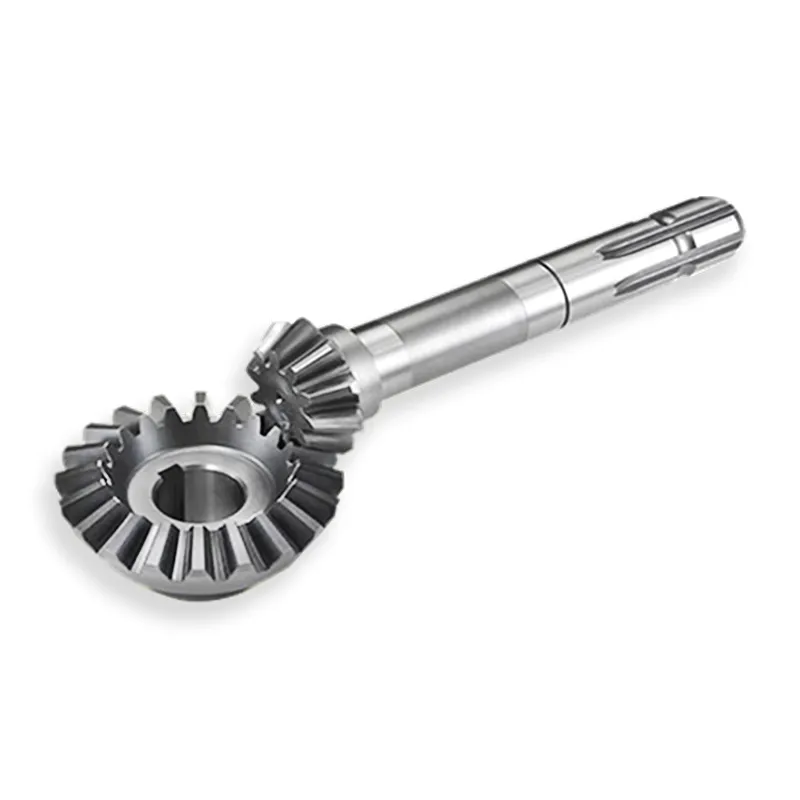
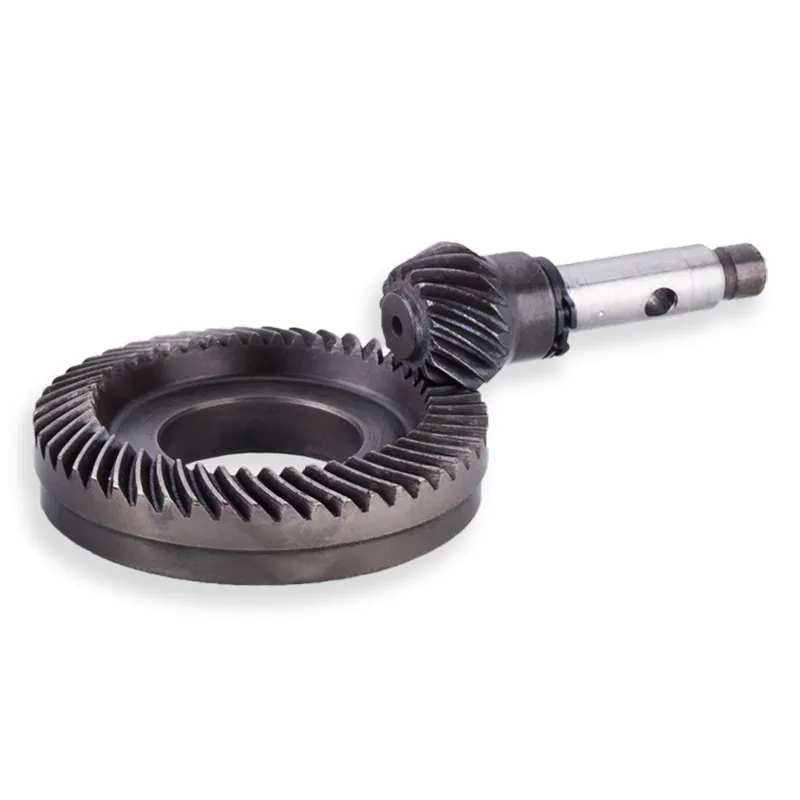
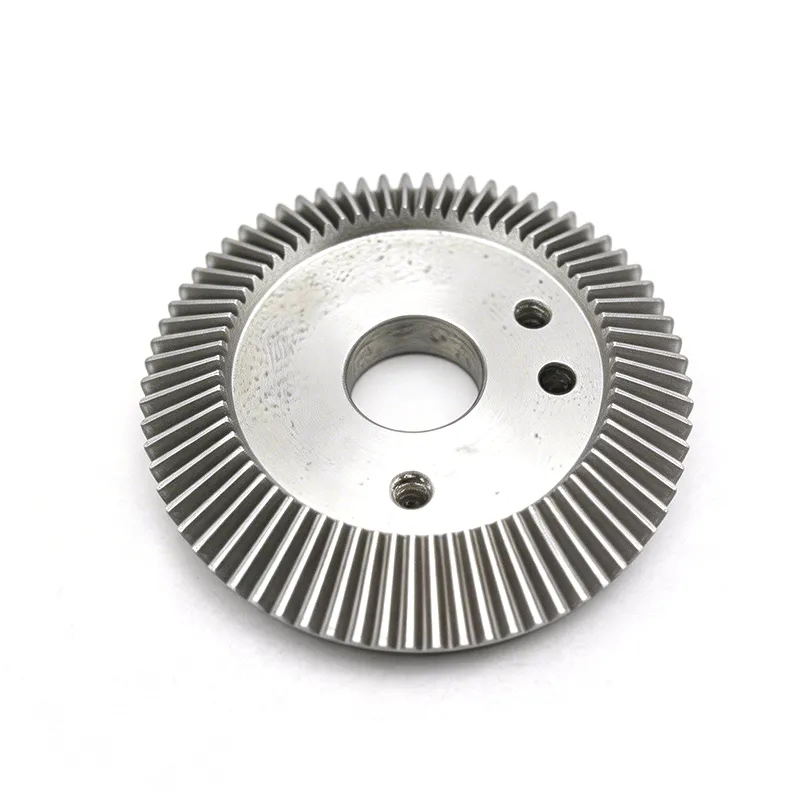
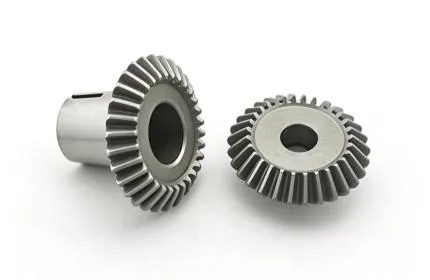
Differential Gears: Crucial for vehicle stability and handling. Differential gears allow wheels to rotate at different speeds while cornering. With the advent of torque-vectoring in electric vehicles, the precision of these bevel gears and side gears is critical for dynamic control.
Rack and Pinion: Still the standard for automotive steering systems. As vehicles move toward steer-by-wire systems, the mechanical backup systems still rely on flawless rack and pinion engagement for safety and feel.
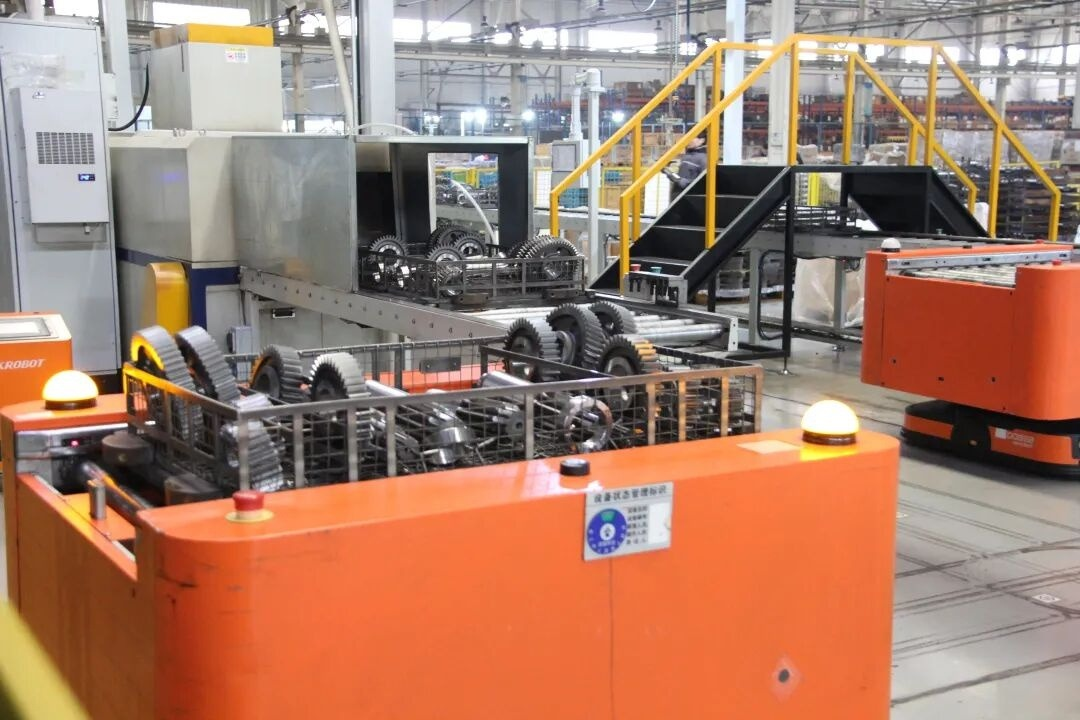
For industry clients, the difference between a functional vehicle and a high-performance vehicle lies in the manufacturing tolerances. At PTK Gear, we employ state-of-the-art gear manufacturing processes that ensure consistency and reliability.
Grinding and Finishing: In the age of EVs, gear grinding has become a non-negotiable process. High-precision gear grinding ensures that the microgeometry of the tooth flank is perfect, minimizing transmission error—the primary source of noise, vibration, and harshness (NVH). Our CNC-controlled grinding machines achieve DIN 1 to 3 quality grades, ensuring whisper-quiet operation.
Heat Treatment: The durability of an automotive gear is defined by its metallurgical integrity. We utilize advanced carburizing and induction hardening processes to create a hard, wear-resistant surface while maintaining a tough, ductile core. This metallurgical expertise ensures that our gears can withstand the instantaneous high torque of EV motors without pitting or tooth breakage.
Material Selection: We utilize high-grade case-hardening steels and micro-alloyed steels to balance weight reduction with structural integrity. For high-performance applications, we offer powder metal gears and advanced composite solutions that reduce weight—a critical factor for extending the range of electric vehicles.
One of the biggest challenges facing automotive engineers today is NVH (Noise, Vibration, Harshness) . In an internal combustion engine vehicle, the engine noise often masks gear whine. However, in an EV, the silence is deafening—literally. Without the combustion engine, the high-frequency whine from the reduction gearbox and transmission becomes a dominant sound.
Addressing NVH requires a holistic approach. It starts with gear design, utilizing advanced tooth modification techniques (such as tip relief and crowning) to compensate for housing deflection under load. It continues with manufacturing excellence, where gear metrology ensures that every tooth profile is within microns of the design intent. For our clients, providing automotive gears with superior NVH characteristics is not just a value-add; it is a requirement for market acceptance.
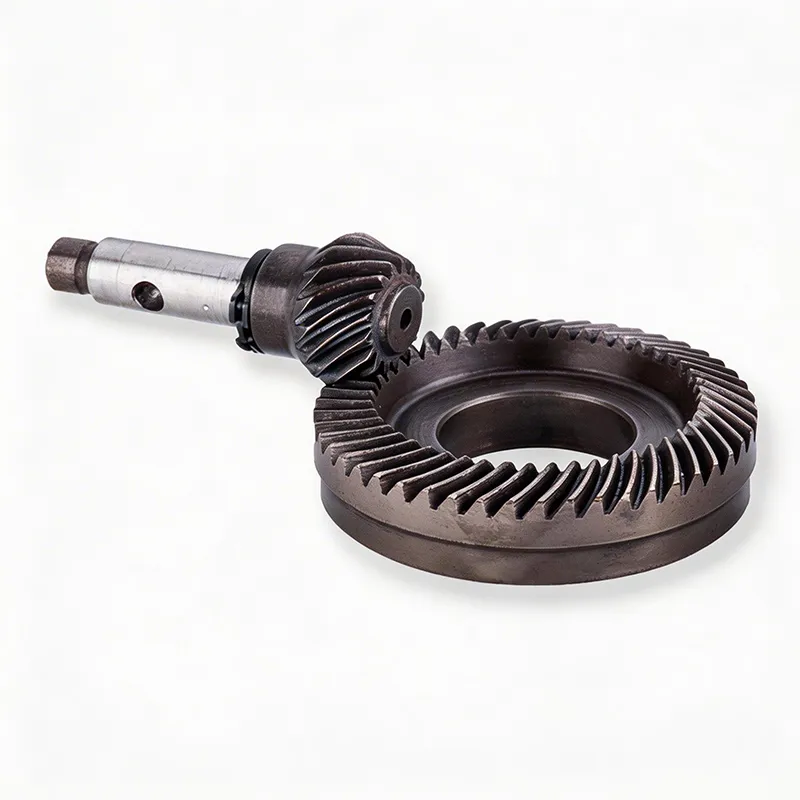
While EVs capture headlines, the automotive aftermarket remains a robust sector. For commercial fleets and heavy-duty vehicles, durability is paramount. We supply spiral bevel gears for drive axles, synchronizer rings for manual transmissions, and full ring and pinion sets for differentials.
For the heavy-duty sector, we emphasize load capacity. Our gears are designed to meet or exceed OEM specifications, ensuring that fleet operators experience minimal downtime. By utilizing FEM (Finite Element Method) analysis during the design phase, we can predict failure points and optimize the gear geometry for maximum torque density.
The push for sustainability is reshaping the automotive supply chain. Lighter vehicles consume less energy. Therefore, we are investing in lightweight gear technologies. By utilizing optimized geometry and high-strength materials, we can reduce the weight of the rotating mass within the powertrain. Lower rotating mass translates to higher efficiency for EVs (more miles per kWh) and better fuel economy for hybrids and traditional vehicles.
Furthermore, our manufacturing processes are designed to minimize waste. Through near-net shape forging and advanced lubricant management, we reduce the carbon footprint of our gear production—a value that resonates deeply with environmentally conscious OEMs.
The complexity of modern automotive engineering demands a supplier that acts as a partner, not just a vendor. When you choose PTK Gear as your gear manufacturer, you gain access to:
Engineering Support: Our team assists in gear design and optimization, using advanced simulation software to ensure that the gear train meets your specific efficiency and durability targets.
Supply Chain Security: With diversified manufacturing capabilities, we ensure consistent delivery of custom gears, whether you need a prototype for a new electric vehicle platform or high-volume production for a global transmission assembly.
Quality Assurance: Every automotive gear leaving our facility undergoes rigorous inspection. We utilize CMM (Coordinate Measuring Machines) and gear testers to verify profile, lead, and pitch accuracy, ensuring 100% conformity to IATF 16949 quality standards.
As we look to the future, the role of the gear will continue to evolve. Multispeed transmissions for EVs are on the horizon, promising to improve efficiency further. Torque-vectoring differentials will become standard in performance-oriented electric vehicles. Autonomous vehicles will require redundant, fail-safe steering gears.
At PTK Gear, we are ready for these challenges. By combining decades of experience in automotive gear manufacturing with a forward-looking investment in EV-specific technologies, we provide the precision, durability, and quiet operation that the next generation of vehicles demands.
Whether you are engineering a high-torque electric vehicle drivetrain, a high-speed automatic transmission, or a durable heavy-duty axle, the quality of your gears defines the success of your product. In an industry where efficiency, noise control, and reliability are the ultimate benchmarks, partnering with a specialized gear supplier is not just an operational decision—it is a competitive advantage.
 English