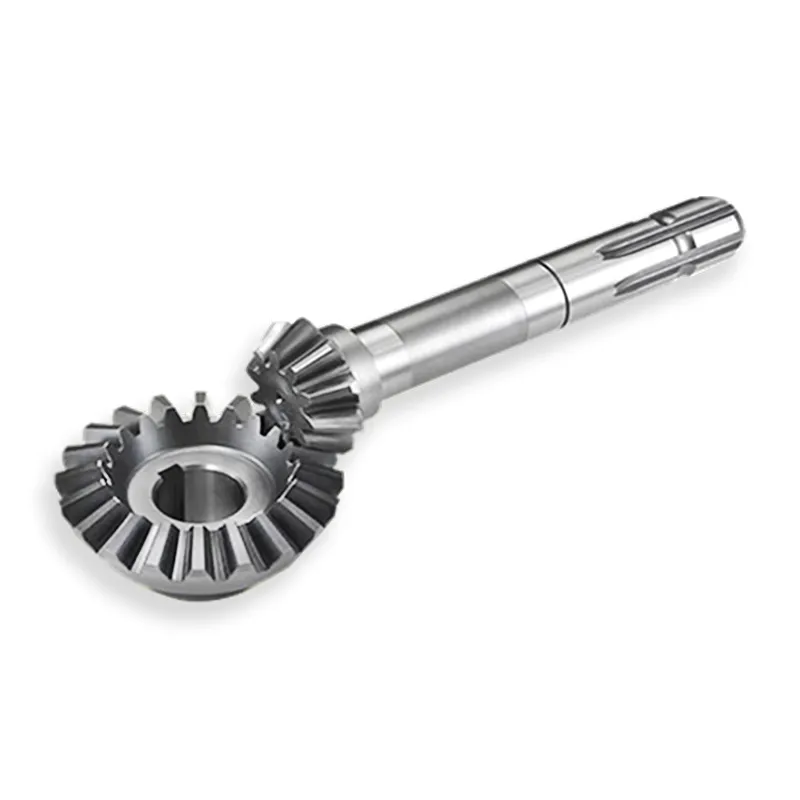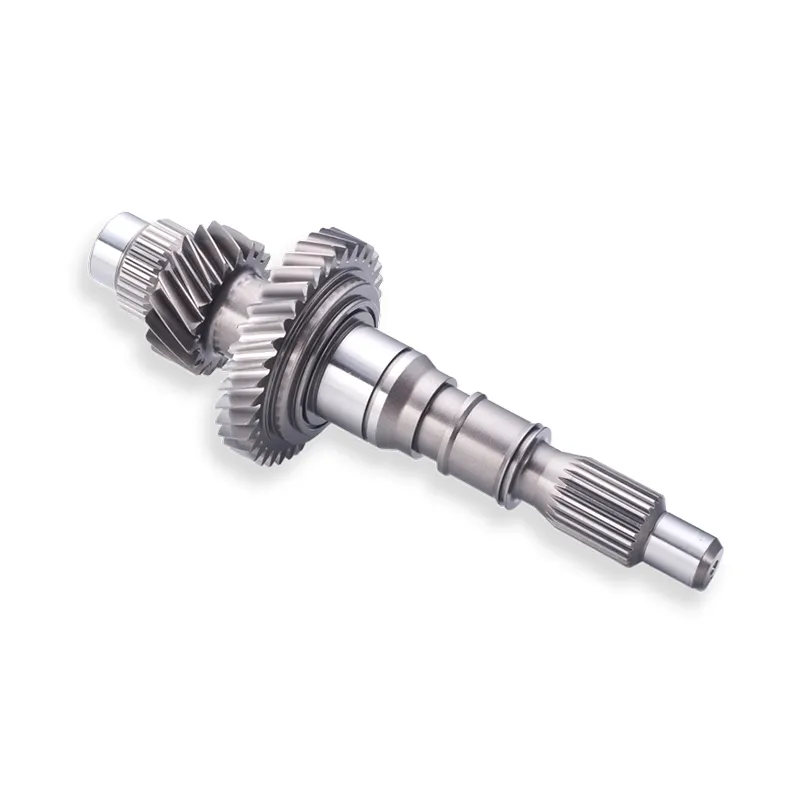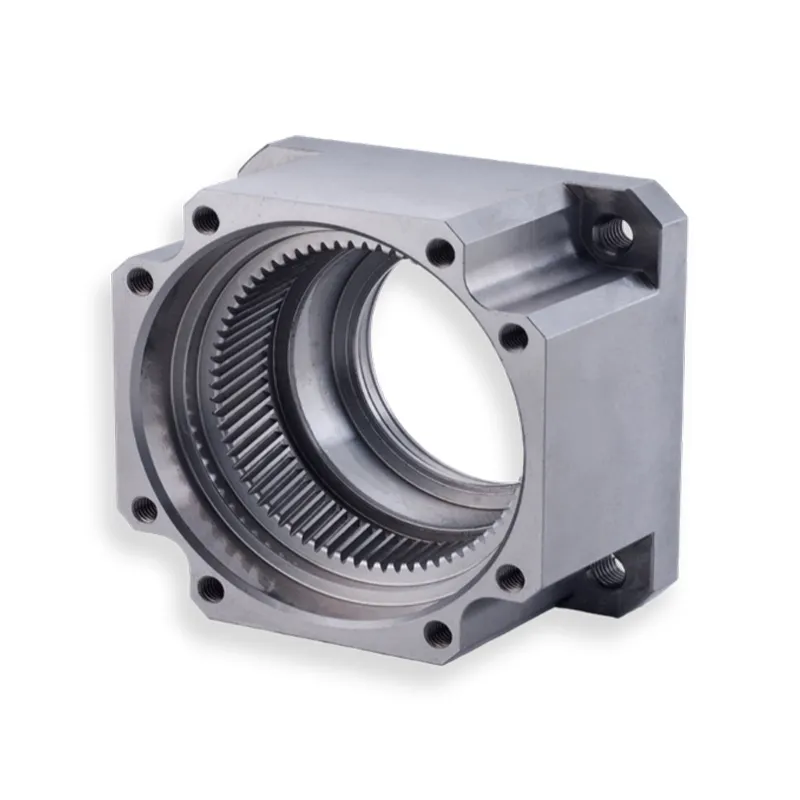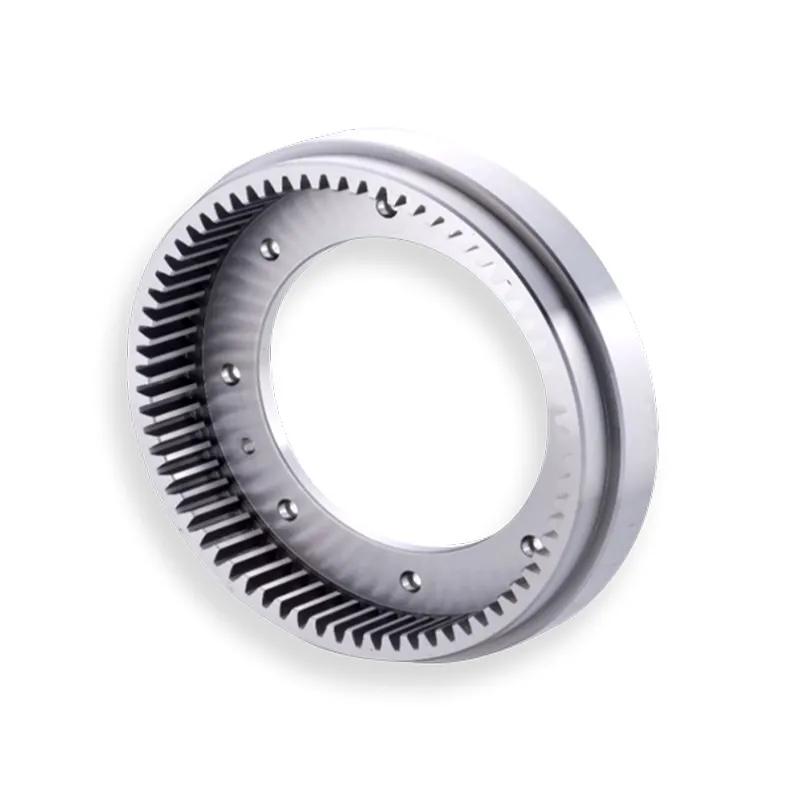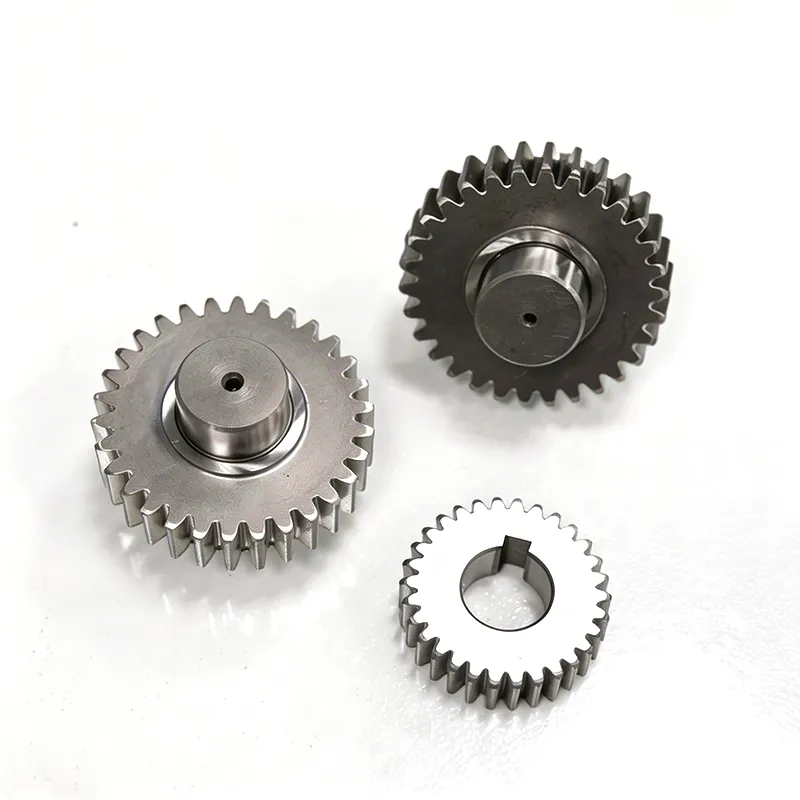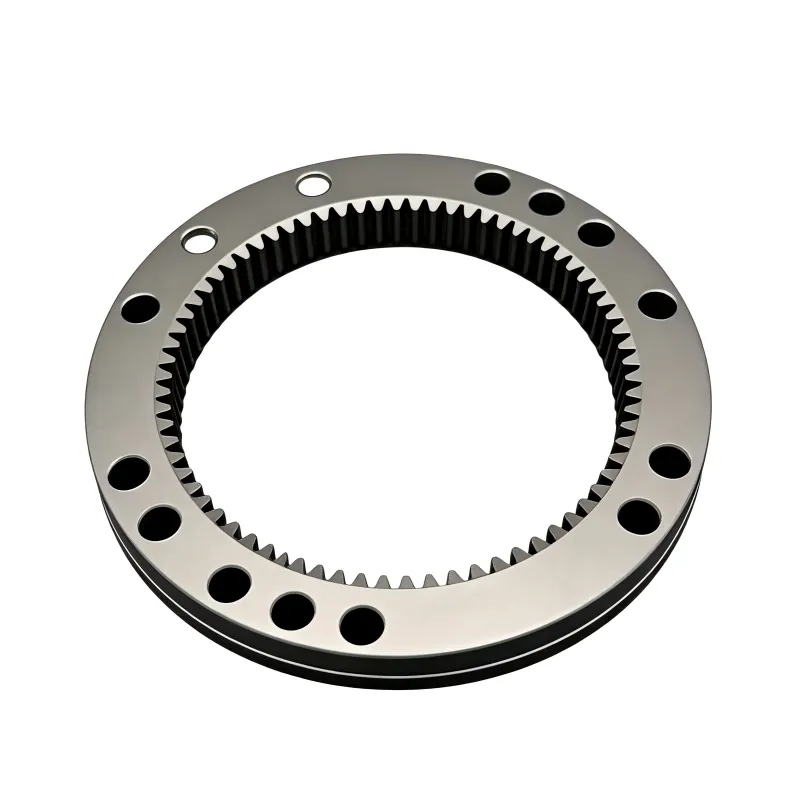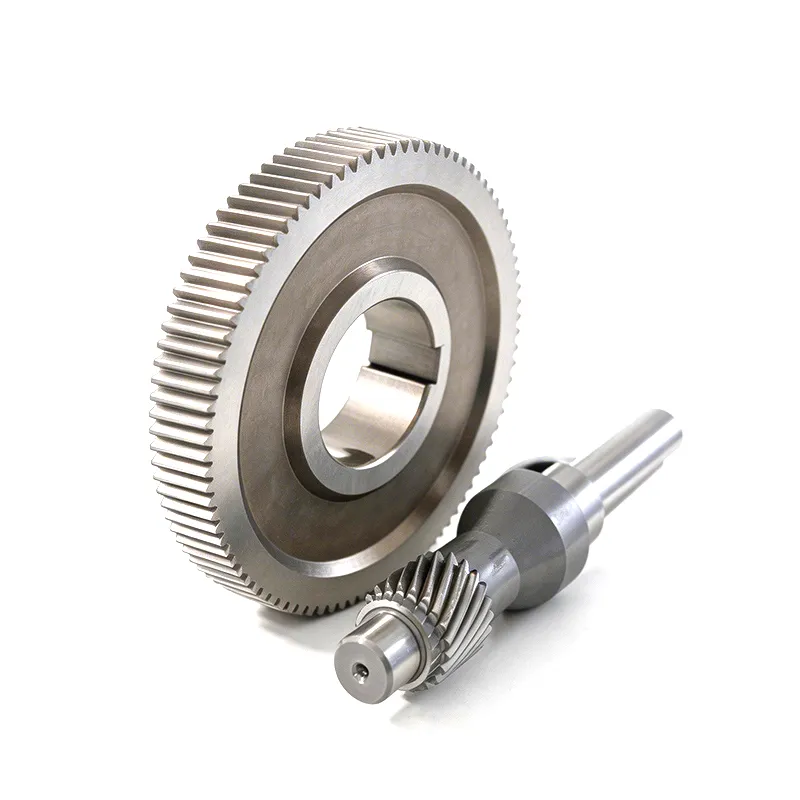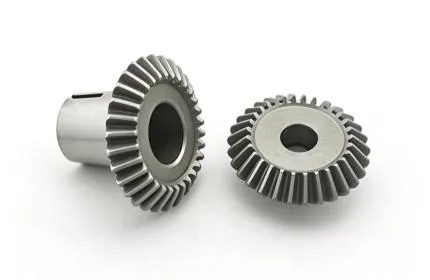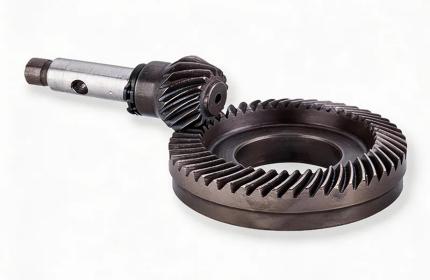
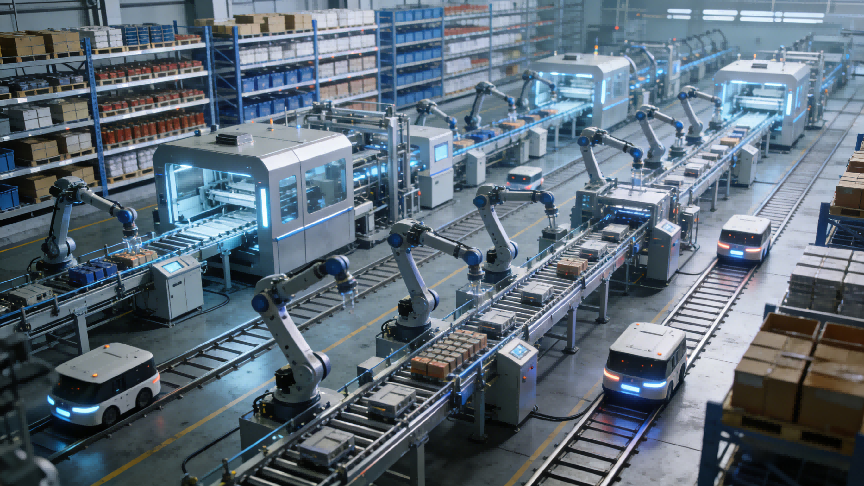
As the global industrial automation sector accelerates toward a future defined by smart factories, collaborative robotics, and data-driven manufacturing, the humble gear—one of the oldest mechanical components known to engineering—is undergoing a profound transformation. No longer viewed merely as a means of transmitting torque, modern gearing systems have become critical enablers of precision, efficiency, and reliability in automated environments. In an industry where margins of error are measured in microns and uptime is paramount, the evolution of gear technology is quietly powering the Fourth Industrial Revolution.
The shift toward miniaturization in automation components has placed unprecedented demands on gear design. In applications ranging from articulated robotic arms to automated guided vehicles (AGVs) and CNC machining centers, manufacturers are seeking solutions that deliver higher power density—more torque in a smaller footprint—without compromising positional accuracy.
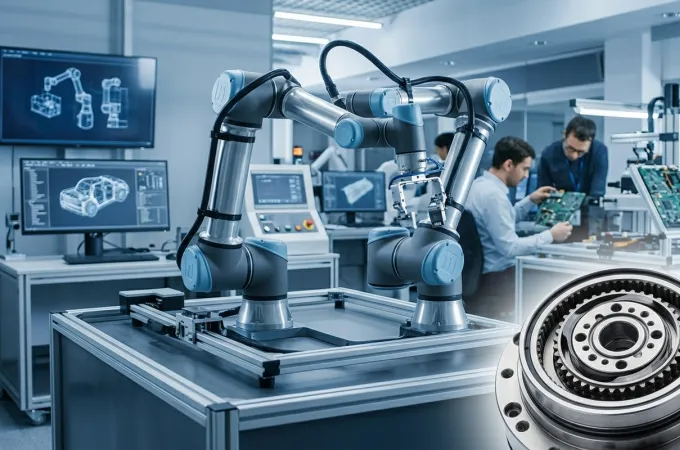
Traditional gearboxes are increasingly being replaced by precision planetary gearboxes and cycloidal drives, which offer superior torsional stiffness and minimal backlash. For instance, in the joints of collaborative robots (cobots), which require smooth, precise, and safe interaction with human operators, zero-backlash gearboxes have become non-negotiable. These components ensure that a robotic arm does not drift or vibrate when holding a position, a critical requirement for delicate tasks such as electronic assembly or medical device manufacturing.
According to recent market analysis by industry research firms, the global precision gear market is projected to grow at a compound annual growth rate (CAGR) of over 7% through 2030, driven largely by the expansion of industrial robotics and automated logistics in Asia-Pacific and North America.
Beyond geometry, the materials used in gear manufacturing are evolving to meet the rigors of continuous operation. High-performance steels remain the standard, but engineers are increasingly turning to advanced polymers, composite materials, and specialized ceramics for specific applications. In automated assembly lines where weight reduction is critical—such as in high-speed pick-and-place systems—plastic and composite gears are reducing inertia, allowing for faster acceleration and deceleration cycles while dampening vibration and noise.
Simultaneously, advances in manufacturing processes are pushing the boundaries of what is mechanically possible. Gear hobbing and grinding technologies have reached new levels of precision, with modern grinding machines capable of achieving DIN (German Institute for Standardization) class 2 or 3 accuracy. Furthermore, the integration of additive manufacturing (3D printing) is opening new frontiers. While metal 3D-printed gears are not yet ubiquitous in high-load industrial applications, they are being rapidly adopted for prototyping and the production of complex, topology-optimized geometries that cannot be achieved through subtractive methods, allowing for weight reduction of up to 50% in certain non-critical automation components.
Perhaps the most significant shift in gear applications within industrial automation is the integration of smart technologies. The rise of the Industrial Internet of Things (IIoT) has transformed gears from passive mechanical components into active data sources. Modern gearboxes are increasingly being designed with embedded sensors capable of monitoring vibration signatures, temperature fluctuations, and lubricant condition in real time.
This data feeds into predictive maintenance algorithms, allowing facility managers to detect anomalies—such as pitting, wear, or misalignment—long before a catastrophic failure occurs. For automated factories operating 24/7, unplanned downtime remains the largest source of operational loss. By enabling condition-based monitoring, intelligent gearing systems help shift maintenance strategies from reactive or time-based to predictive, reducing downtime by an estimated 30% to 50% in early-adopter facilities.
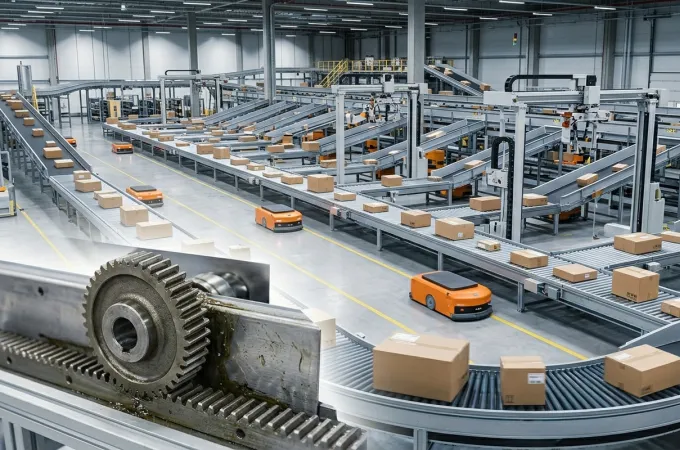
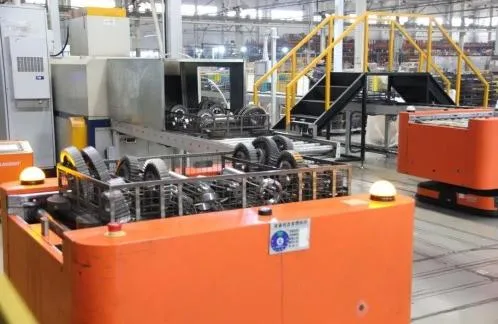
One of the fastest-growing segments for industrial gearing is the autonomous mobile robot (AMR) market. As warehouses and factories deploy fleets of AMRs to handle material transport, the demand for durable, efficient, and compact drive systems has skyrocketed. In these vehicles, gearboxes must withstand high shock loads during starting and stopping while maintaining high energy efficiency to preserve battery life.
Precision planetary gearboxes are particularly favored in this sector due to their high efficiency (often exceeding 95% per stage) and their ability to handle the high radial loads associated with wheel drives. As AMRs evolve to handle heavier payloads—moving from 500 kg loads to several tons in heavy manufacturing—the gear industry is responding with reinforced designs that marry the precision of automation with the robustness of heavy machinery.
Despite these advancements, the industry faces significant challenges. The push for ever-higher speeds and torques generates thermal management issues that can degrade lubricants and shorten gear life if not properly addressed. Additionally, supply chain volatility has highlighted the concentration of high-precision gear manufacturing in specific geographic regions, prompting many automation original equipment manufacturers (OEMs) to seek dual sourcing or localized production strategies.
Sustainability is also becoming a critical factor. There is growing pressure to develop gear systems that operate efficiently under "green" lubricants and bio-based oils, which often do not provide the same level of protection as traditional mineral-based lubricants. Manufacturers are investing heavily in surface coating technologies, such as diamond-like carbon (DLC) coatings, to reduce friction and wear to compensate for these changing lubrication environments.
As artificial intelligence (AI) optimizes production schedules and digital twins simulate factory operations in real time, the mechanical fundamentals remain critical. The gear is the interface between the digital command and the physical movement. In the coming years, experts anticipate a closer convergence of mechanical engineering and electronics—mechatronics—where gearboxes are designed concurrently with motors and drives as single, optimized units.
For industrial automation, the story of the gear is a story of adaptation. From the macro-scale drives of heavy stamping presses to the micro-gears in surgical robots, these components are being refined to meet the demands for speed, silence, cleanliness, and connectivity. As Industry 4.0 continues to mature, the precision and durability of gearing systems will remain a foundational element, ensuring that as factories become smarter, they also remain mechanically sound.
In an era where software often steals the spotlight, the unsung precision of gears continues to turn the wheels of industry—quietly, efficiently, and with increasing intelligence.
 English