A machine design can fail at the corner. Parallel shafts are easy. Right-angle power transfer hides traps in noise, load, and cost. Bevel gears solve this turn with the right type and proper selection.
Bevel gears transmit power between intersecting shafts, usually at 90 degrees. Use them for right-angle drives in tight spaces, high-torque differentials, and heavy-load industrial reducers. Choice of type depends on speed, load, and noise limits.
Every right-angle drive needs a bevel gear set. But the shape of the teeth decides noise, strength, and durability. A small mistake in type selection leads to hot boxes and early wear. The next sections lay out what bevel gears are, the main types, where they work, and a clear checklist to pick the right one.
Many engineers stick to parallel gear trains by default. This habit adds extra stages and housings. A bevel gear set often cuts to the solution in one stage.
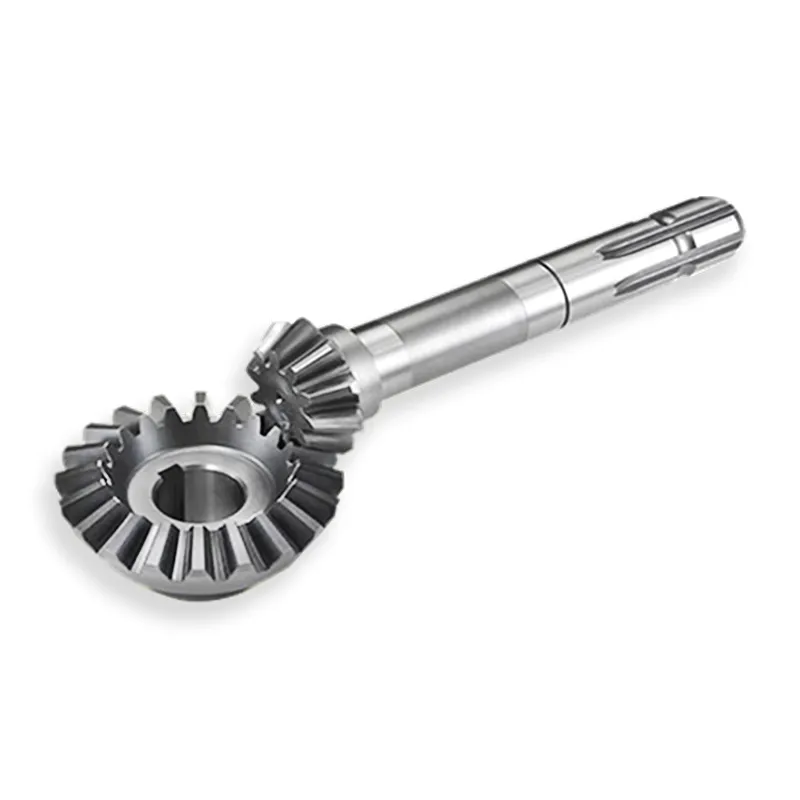
Bevel gears have cone-shaped bodies with teeth cut along a pitch cone. The teeth mesh on intersecting axes. Use them anytime power must turn a corner in a drive system.
The cone shape is the key. The two gears sit with their apex points meeting. Shaft centers intersect. This gives a natural 90-degree turn without extra idlers or chains. The gear ratio comes from the tooth counts just like spur gears. But the cone distance and face width set the torque limit.
Bevel gears shine when space in one plane is tight. An agricultural machine with a longitudinal engine and a transverse implement shaft uses a bevel pinion and gear. A truck differential uses a spiral bevel set to turn the driveshaft and split torque. The table below shows the basics.
| Element | Bevel Gear Characteristic |
|---|---|
| Shaft orientation | Intersecting, typically 90° |
| Tooth profile | Cut on a conical surface |
| Speed ratio range | Up to 6:1(straight)/ up to 10:1(spiral) per stage |
| Load direction | Radial and axial thrust |
| Common materials | Case-hardened steel, alloy steel |
The heel and toe terminology confuses newcomers. The heel is the outer large end. The toe is the inner small end. Load concentrates at the heel if the mounting distance is off. We keep strict control on mounting distance tolerances when we grind bevel pinions for agricultural and truck gearboxes.
Designers often think one bevel gear fits all. This mistake causes noise complaints and warranty returns. Four main types cover the full range of right-angle needs.
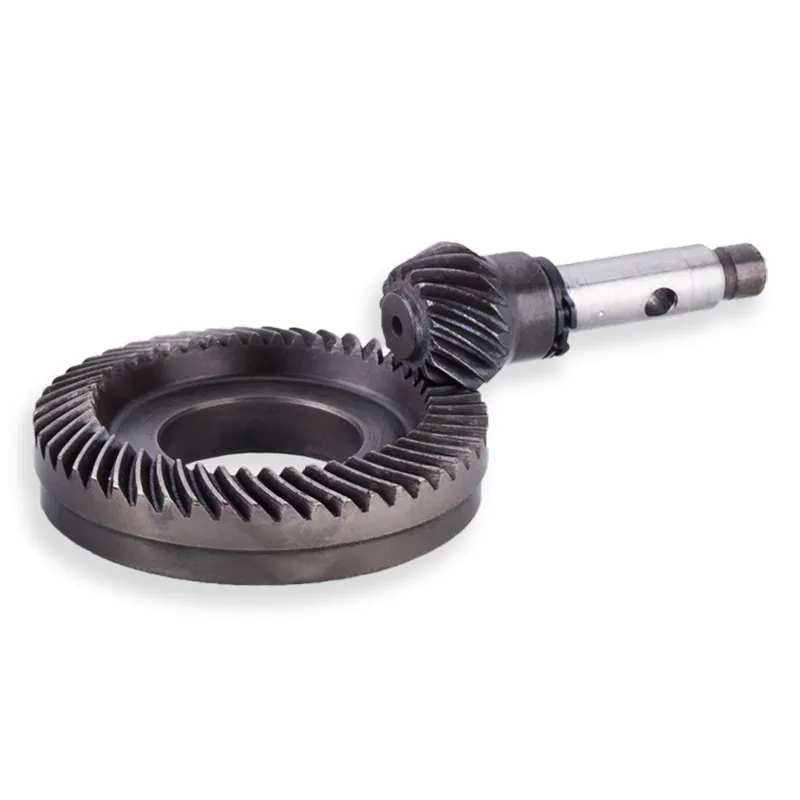
Straight bevel gears have teeth that point straight to the apex. Spiral bevel gears have curved, oblique teeth. Zerol bevel gears have curved teeth with zero spiral angle. Hypoid gears offset the pinion below the gear center.
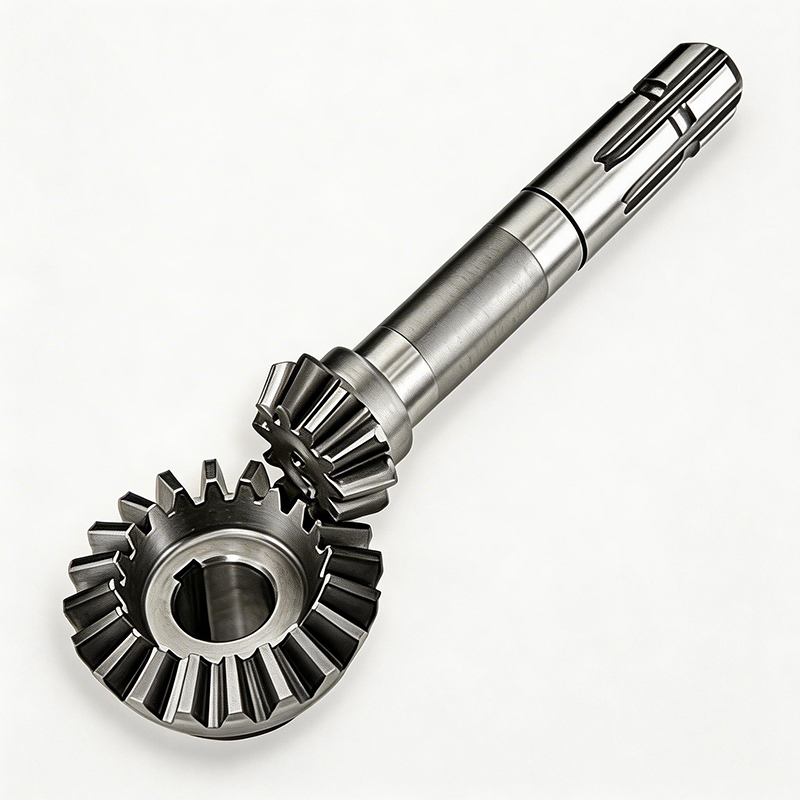
Straight teeth are the simplest to make. They work well at low speeds and moderate loads. Noise increases above 1000 feet per minute pitch line speed. They produce a characteristic whine. The tooth contact is instantaneous across the full face. This gives an impact that excites the housing. We produce straight bevel gears for agriculture machines and electric tools. These applications value low cost and do not need high speed.
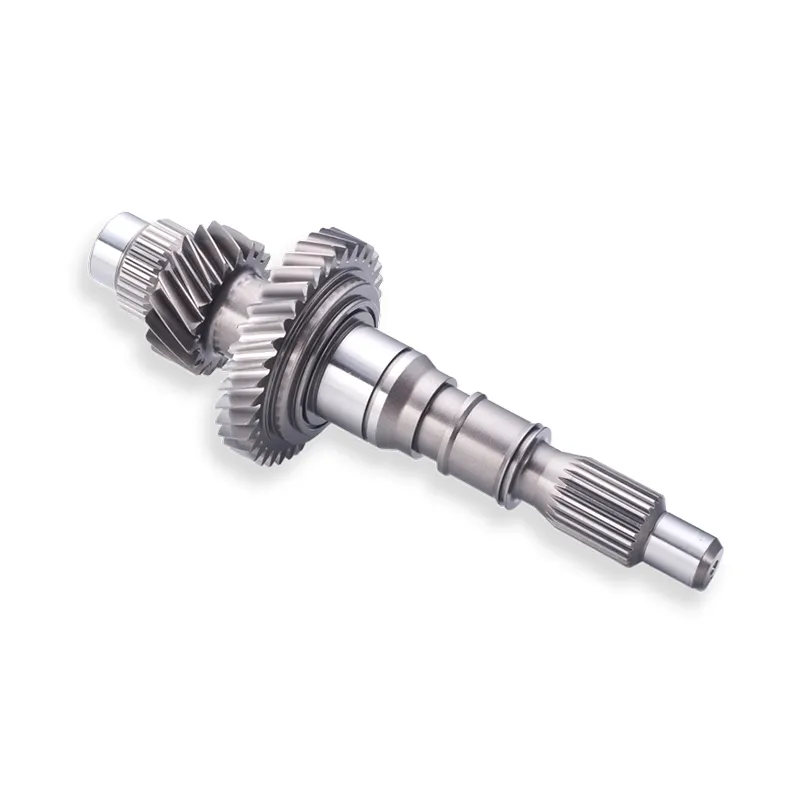
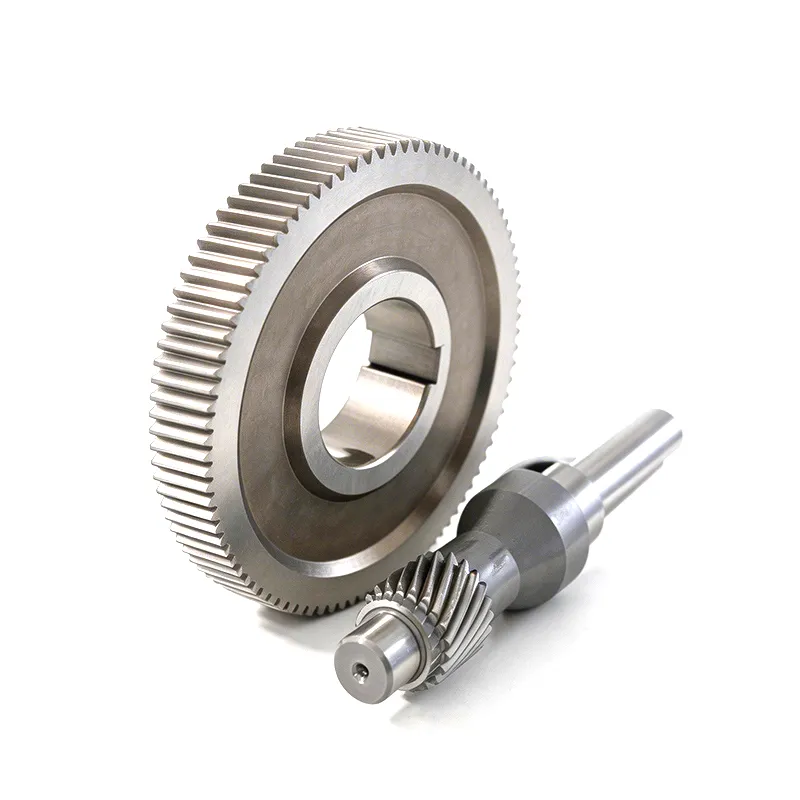
Spiral teeth engage gradually from one end to the other. This reduces impact and spreads load over more teeth. The result is higher torque capacity and quieter running. Spiral bevel gears handle pitch line speeds above 3000 feet per minute. They produce axial thrust that bearings must absorb. Our heavy load spiral bevel gear sets for truck automotive gearboxes use case-hardened steel and ground tooth profiles. The surface finish and contact pattern keep pitting and scuffing under control.
Zerol bevel gears fill a gap. They have curved teeth with a zero spiral angle. They keep the gradual engagement of spiral teeth but produce less axial thrust. This simplifies bearing arrangements. Hypoid gears push the pinion axis below the gear center. This offset gives a larger pinion diameter and more tooth strength. It also allows a lower driveshaft in vehicles. Hypoids need special lubricants because of high sliding.
Right-angle drives appear in more places than just cars and helicopters. Ignoring a fit for bevel gears can add costly belt or worm stages.
Bevel gears drive automotive differentials, truck gearboxes, agricultural PTO shafts, helicopter rotors, marine drives, and industrial mixers. Straight bevel types suit slow-turning hand tools and agricultural pumps.
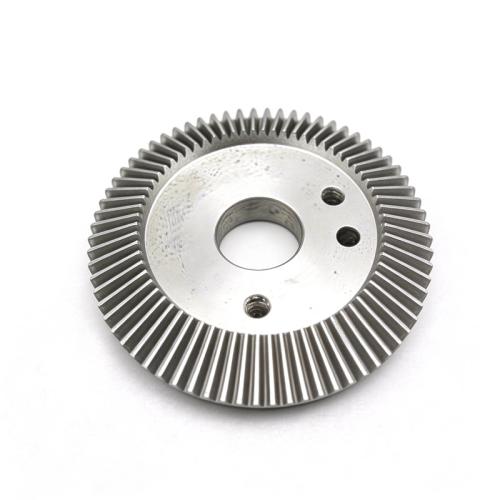
The automotive differential is the classic bevel gear application. A small spiral bevel pinion drives a large ring gear. The torque multiplication and right-angle turn happen in one compact housing. Heavy truck gearboxes use spiral bevel sets for the main reduction. Our heavy load spiral bevel gear sets for truck automotive gearboxes deliver this exact function. The tooth surface is ground after heat treatment to keep profile error small.
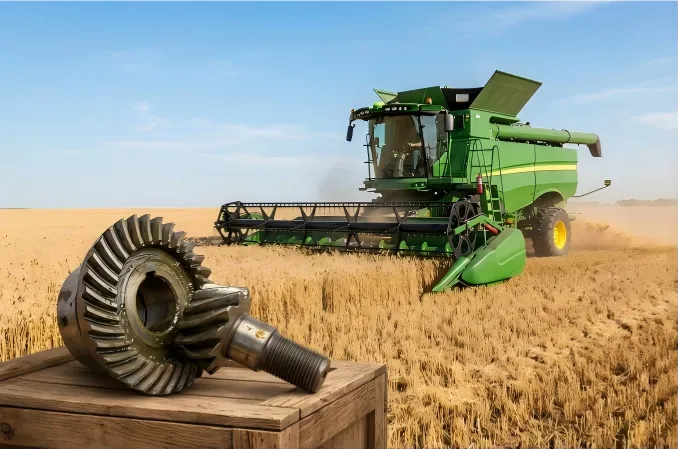
Conveyor drives, cement mixers, and agricultural mowers all use bevel gears. Many tractor PTO-driven implements rely on a bevel gearbox to change shaft direction. Our straight tooth pinion straight tooth bevel gears for mechanical agriculture machines serve this market. The gears are made from high-quality steel and finished to standard AGMA quality levels. This keeps them durable in dirty, intermittent-duty conditions.
Small straight bevel gears appear inside electric drills, angle grinders, and valve actuators. These gears run at moderate speeds and need low cost. We supply straight bevel gears for electrical tools with consistent tooth profiles. The table below matches application needs to recommended types.
| Application | Recommended Bevel Type | Reason |
|---|---|---|
| Automotive differential | Spiral bevel or hypoid | High load, low noise |
| Truck transmission | Spiral bevel | Heavy torque, durability |
| Tractor PTO gearbox | Straight or spiral bevel | Cost vs. speed balance |
| Electric hand tool | Straight bevel | Simple, low cost |
| Helicopter main rotor | Spiral bevel | High speed, reliability |
| Industrial mixer | Straight bevel | Moderate speed, low budget |
A bevel gear set fails fast when one working limit is missed. Six checks prevent the most common field issues. Review load, speed, noise, alignment, materials, and lubrication before the order leaves the desk.
Check rated load, pitch line speed, allowable noise, mounting alignment, material pair, and lubrication method. These six factors decide if the gear set will survive real operating conditions.
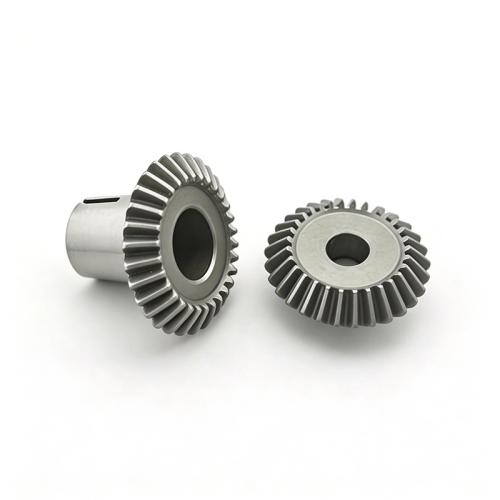
Six engineering factors determine bevel gear life. Skip one check and the gearbox may run hot, whine loud, or break teeth. The tables below walk through each factor in a practical order.
Verify the actual torque against the gear set rating. Bevel gears carry both radial and axial loads. Spiral teeth handle higher loads than straight teeth of the same size. The load capacity also depends on the mounting distance. A gear set mounted with the contact pattern shifted to the toe edge loses capacity fast. For continuous heavy loads, choose case-hardened steel. We test our spiral bevel gear sets for truck gearboxes under full torque before shipping.
Measure the pitch line velocity. Straight bevel gears stay safe below 1000 feet per minute. Above this speed, impact noise rises sharply. Spiral bevel gears run smoothly up to 6000 feet per minute and beyond with proper grinding. High speed raises the risk of scuffing. The oil film must be thick enough. For high-speed systems, pick a ground spiral bevel set and forced lubrication.
Set a noise budget early. Straight bevel gears produce a whine that many operators find unacceptable in enclosed spaces. Spiral teeth reduce this whine by engaging gradually and sharing load across more teeth. Zerol bevel gears offer a middle ground with lower thrust and moderate noise. Customers often pick our high-efficiency spiral bevel gears for industrial gearmotors simply to meet workplace noise limits.
Check the mounting distance and shaft alignment before assembly. The mounting distance positions the contact pattern. A shift of a few tenths of a millimeter crowds the load to the toe or heel. This concentrates stress and shortens life. We supply contact pattern prints with our bevel gear sets. The engineer matches the pattern on the test bench to the print and adjusts shims if needed.
Match the steel grade and heat treatment to the load and duty cycle. Case-hardened alloy steel gives high surface hardness and a tough core. Through-hardened steel costs less but suits lighter loads. For spiral bevel gears in truck and industrial drives, we use carburized 20CrMnTi(SAE5120) or similar grades. The surface reaches HRC 58-62 while the core stays tough.
Select the oil type and supply method together. Bevel gears need extreme-pressure gear oil. Splash lubrication works up to moderate speeds. Above 3000 feet per minute pitch line speed, forced oil circulation becomes necessary. High-viscosity oil protects against scuffing but increases churning losses. For our heavy load spiral bevel sets, we recommend ISO VG 220 or 320 EP oil for splash systems.
Bevel gears turn power around a corner. Straight teeth serve low-speed needs. Spiral teeth deliver smooth high-load performance. Check load, speed, noise, alignment, materials, and lubrication to pick the right set for a reliable right-angle drive.
 English