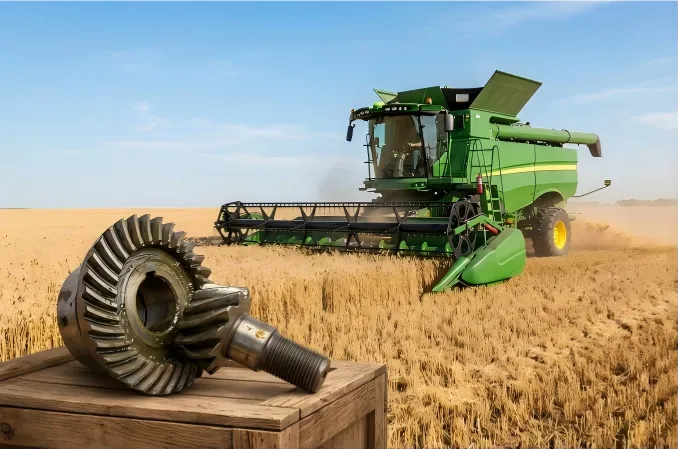
In the demanding world of modern agriculture, machinery must operate flawlessly under extreme conditions—from abrasive dust and corrosive fertilizers to heavy shock loads and continuous operation. At the heart of these robust machines lies a complex system of power transmission. As a leading precision gear manufacturer, PTK Gear understands that the choice of gear type, material, and heat treatment directly impacts the reliability and lifespan of agricultural equipment.
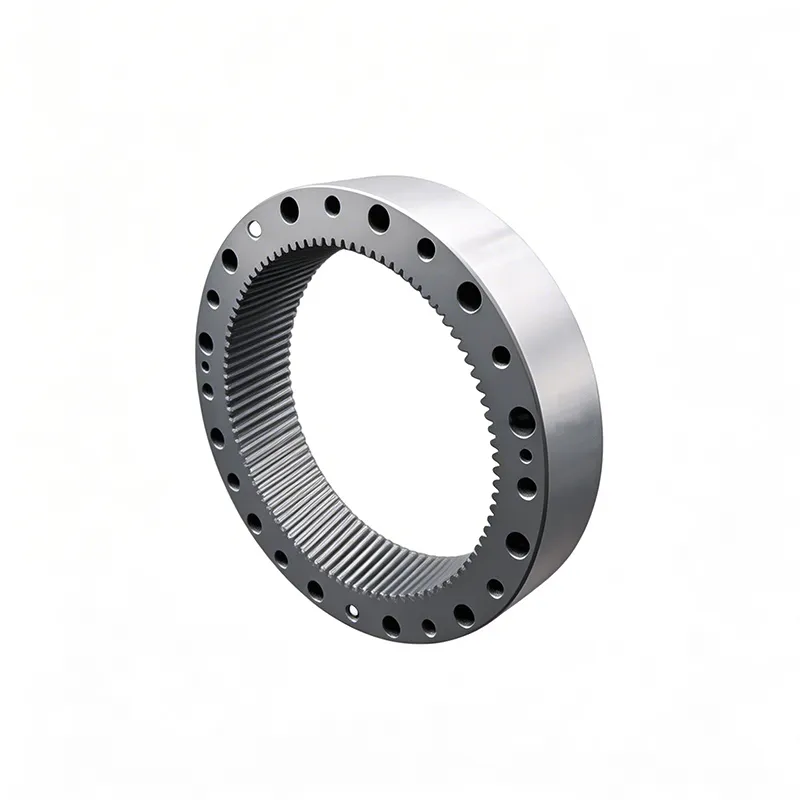
In this article, we will explore the essential roles of Gear systems, specifically Spur Gear, Helical Gear, and Bevel Gear, in agricultural applications. We will also delve into the critical aspects of material hardness and heat treatment processes that make these components withstand the rigors of the field.
To optimize agricultural machinery, it is vital to select the right gear for the right application. Here are the three primary types we manufacture at PTK Gear and their defining characteristics.
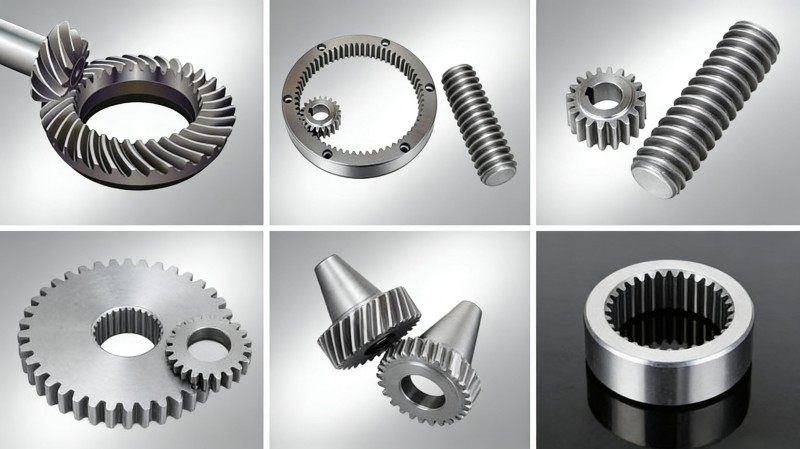
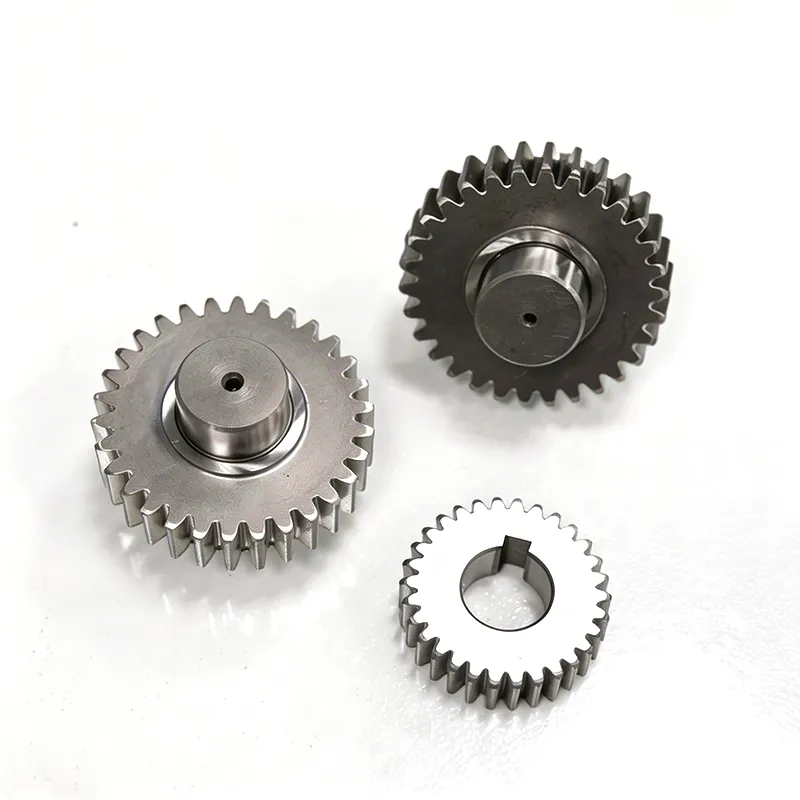
The Spur Gear is the simplest and most common type of cylindrical gear. Characterized by straight teeth parallel to the axis of the shaft, spur gears are known for their high efficiency and ease of manufacturing.
Features: High power transmission efficiency (up to 98-99%), no axial thrust, and cost-effectiveness.
Limitations: They produce operational noise due to sudden tooth engagement, making them ideal for lower-speed applications or areas where noise is not a primary concern.
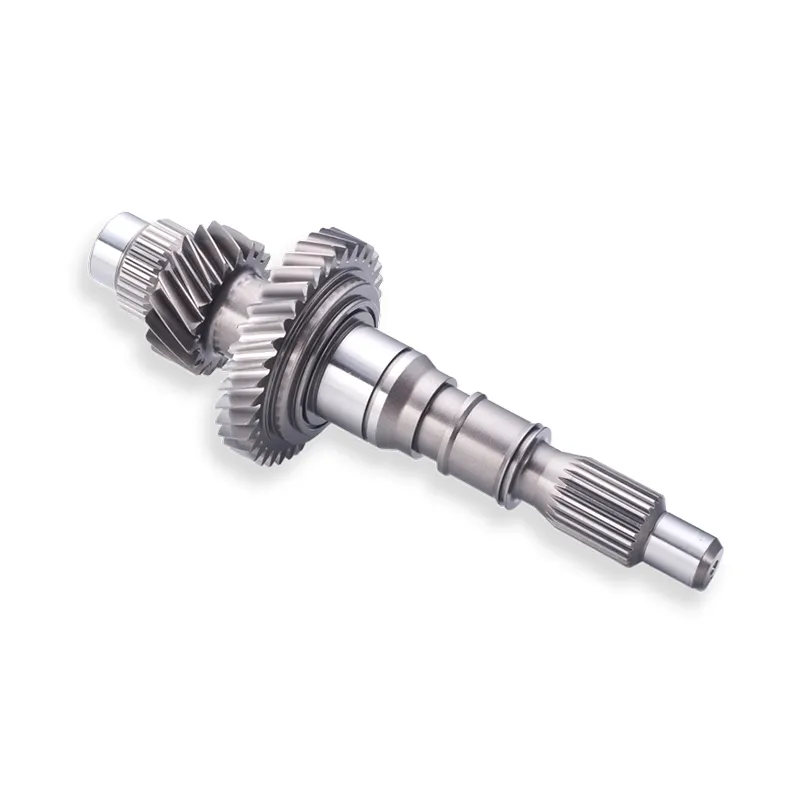
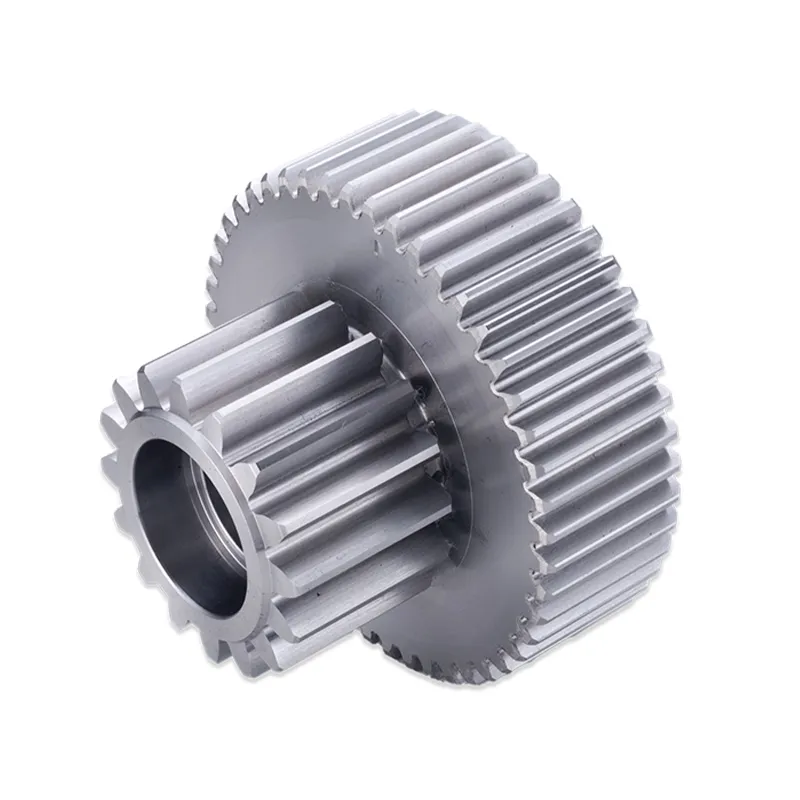
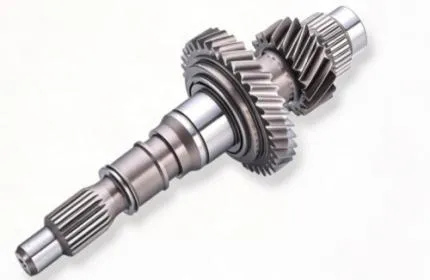
The Helical Gear features teeth cut at an angle to the axis (helix angle). This angled gear design allows for gradual engagement between meshing teeth, resulting in smoother, quieter operation.
Features: Superior load-carrying capacity, smoother and quieter than spur gears, and the ability to transmit heavy loads at high speeds.
Limitations: Unlike spur gears, helical gears generate axial thrust, which requires the use of thrust bearings to manage the force.
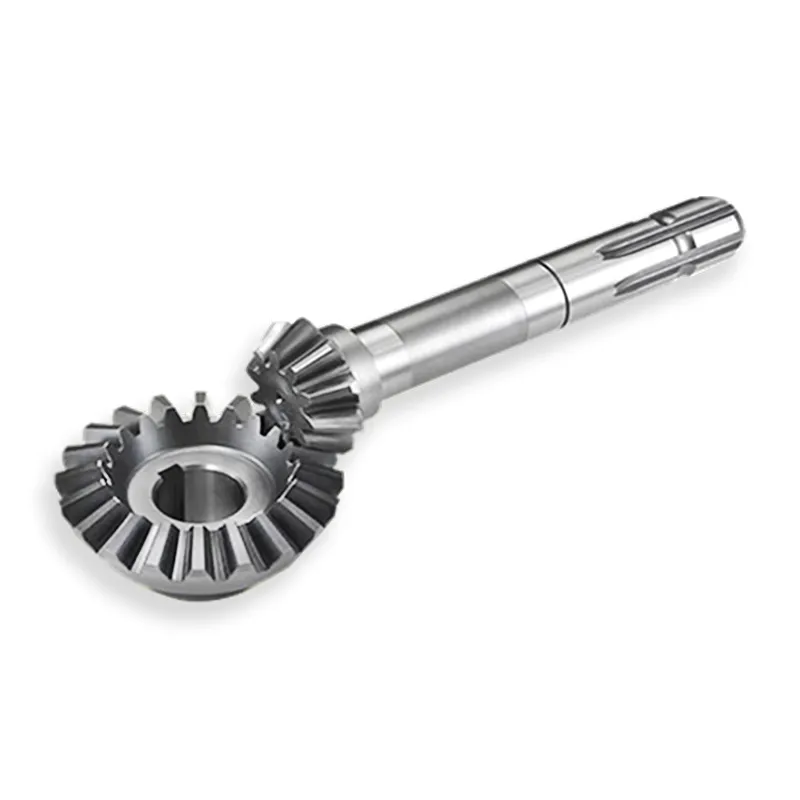
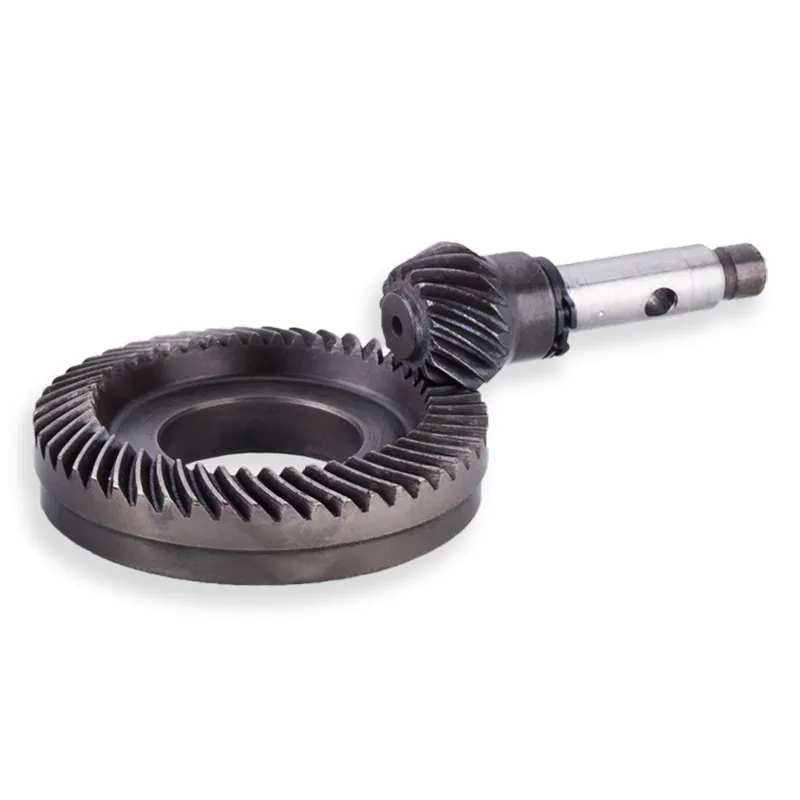
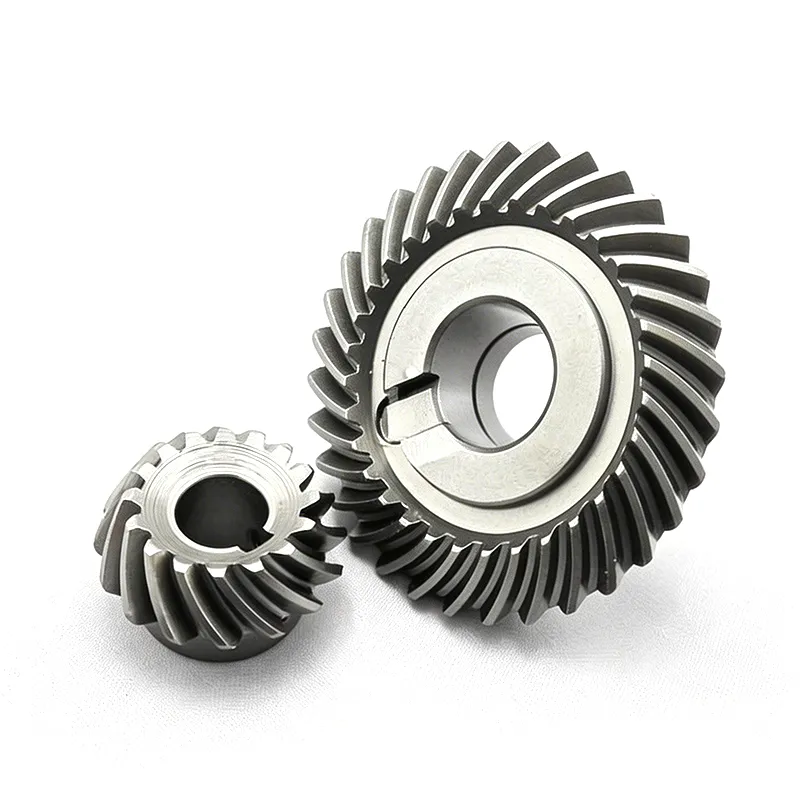
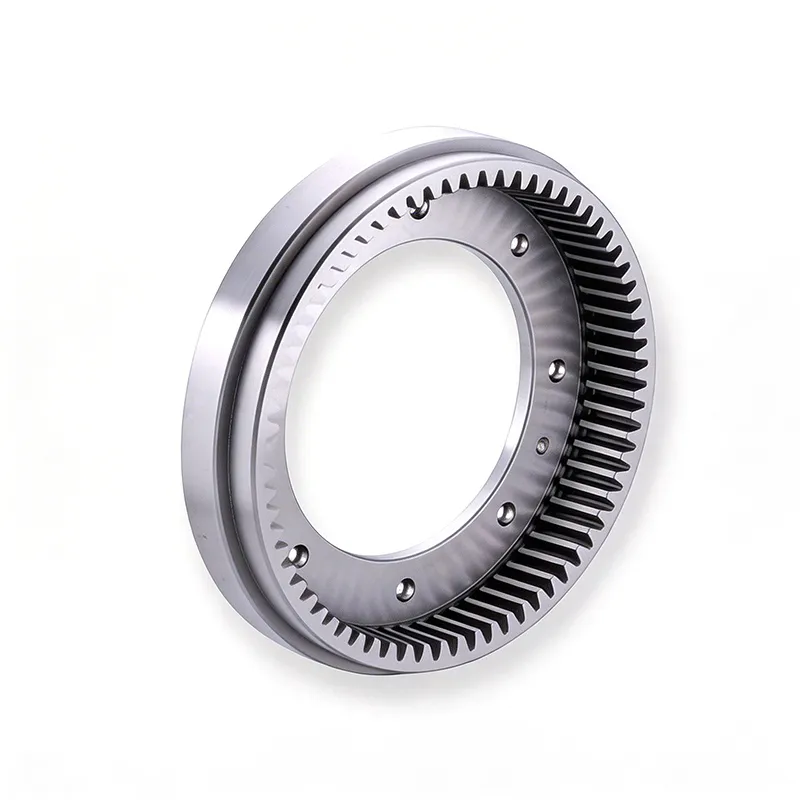
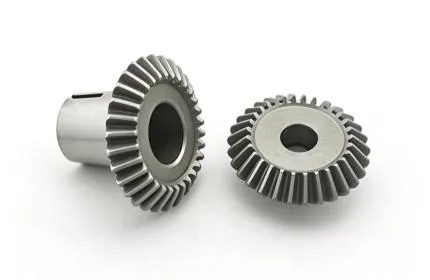
The Bevel Gear is designed to transmit motion between intersecting shafts, typically at a 90-degree angle. 90 degree bevel gears are crucial for redirecting power in machinery where the drive shaft and the driven component are not parallel.
Features: Versatile in changing drive angles (including straight bevel gear, spiral bevel gear, and hypoid bevel gears), compact design, and ability to handle high torque in right-angle drives.
Limitations: Manufacturing complexity is higher, and alignment during installation is critical for longevity.
In agricultural environments, gears are subjected to constant abrasion from soil, sand, and plant matter, as well as high-impact forces. At PTK Gear, we recognize that the raw material and its treatment are just as important as the tooth profile.
We primarily utilize high-grade alloy steels for agricultural gear manufacturing, such as 20CrMnTi, 42CrMo, and 16MnCr5. These materials offer an excellent balance of core toughness and surface hardenability, essential for resisting both impact shock (common in plowing) and surface fatigue (common in continuous high-speed operation).
To achieve the optimal mechanical properties, we employ a combination of heat treatment processes:
Carburizing: This case-hardening process involves adding carbon to the surface of low-carbon steel at high temperatures. After quenching and tempering, the gear achieves a hard, wear-resistant surface (58-62 HRC) while maintaining a tough, ductile core. This is ideal for Helical Gears and Spur Gears used in transmissions, as it prevents tooth breakage under shock loads.
Induction Hardening: For larger gears or those requiring selective hardness, induction heating is used to harden specific areas (like the tooth flank) without altering the core properties. This is commonly applied to large Bevel Gears in harvester axles.
Nitriding: This process forms a hard case without quenching, resulting in minimal distortion. It is often used for precision gears that require excellent wear resistance and high surface hardness (up to 70 HRC) to withstand abrasive agricultural residues.
These processes ensure that every Gear leaving our factory exhibits high contact fatigue strength (pitting resistance) and high bending fatigue strength, reducing the risk of field failures during critical harvesting seasons.
Agricultural equipment operates across a spectrum of speeds, loads, and environments. Below is how Spur Gears, Helical Gears, and Bevel Gears are specifically utilized in various farming implements.
Tractors represent the most demanding application for gearing. The transmission system relies heavily on a combination of gear types:
Spur Gears are frequently used in the sliding-mesh transmission systems of compact tractors or in the low-speed range of heavy-duty units. Their high efficiency ensures that maximum engine power is transferred to the PTO (Power Take-Off) shaft and the wheels.
Helical Gears dominate modern "synchromesh" or powershift transmissions. Because tractors operate for long hours near the operator, the quiet operation of helical gears reduces driver fatigue. Furthermore, their ability to handle higher torque loads allows tractors to pull heavy plows through dense soil without failure.
Bevel Gears are critical in the front axle drive of 4WD (Four-Wheel Drive) tractors. They redirect the longitudinal power from the engine to the wheels at a 90-degree angle, ensuring that all four wheels provide traction in muddy or uneven fields.
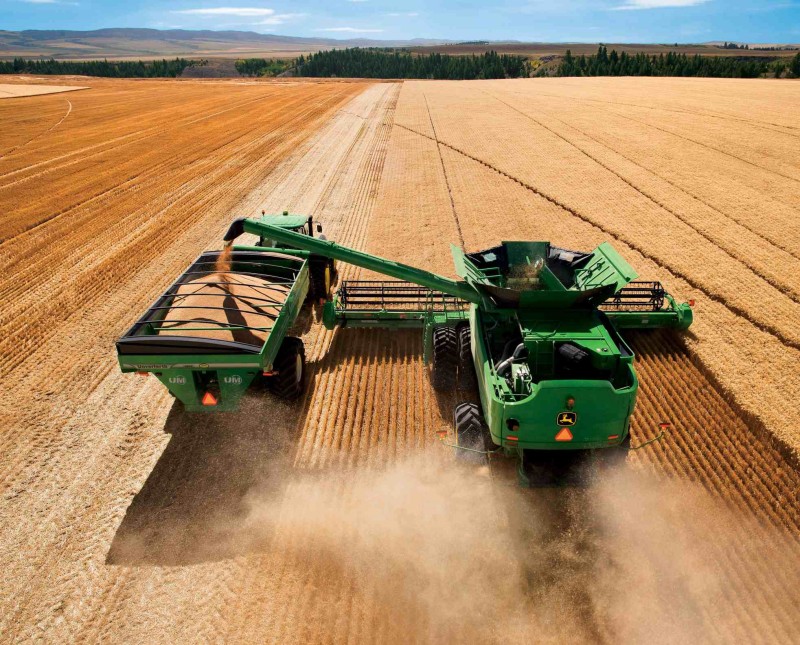
Harvesting equipment requires harvest gears that can handle high speeds and intermittent shock loads from crop intake.
Helical Gears are extensively used in the threshing mechanism and feeder house drives. The smooth engagement of helical gears minimizes vibration, which is critical for delicate components like sieves and sensors used in modern combines.
Spur Gears are often found in straw choppers and spreaders. These applications operate at fixed, lower speeds, and the robust, easy-to-maintain nature of spur gears makes them the preferred choice for these high-abrasion zones.
Bevel Gears are used in the steering axles of self-propelled harvesters and in the corn header drives, where they convert horizontal rotation to vertical rotation to feed stalks into the machine.
Soil preparation equipment faces the highest risk of abrasive wear.
Spur Gears are the standard in gearbox assemblies for rotary tillers. Given the constant exposure to dust and soil particles, the simple construction of spur gears allows for larger oil reservoirs and better heat dissipation, prolonging gear life in dusty environments.
Bevel Gears are utilized in offset rotary tillers or inter-row cultivators where the input shaft is not aligned with the rotor shaft. Right-angle Bevel Gear boxes allow farmers to till soil close to crops without damaging the plants.
In hay and forage equipment, precision and timing are key.
Helical Gears are preferred in the knotter drives of large square balers. The need for absolute timing accuracy between the needles and the knotter requires the backlash-free, smooth operation that high-quality helical gears provide.
Bevel Gears are essential in disc mower conditioners. They are housed in sealed "cutter bars" where they transmit power to multiple discs simultaneously, allowing for high-speed cutting of hay and silage across wide swaths.
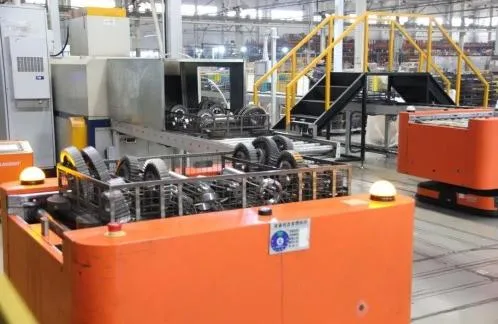
In the agricultural sector, downtime during planting or harvesting season can result in catastrophic financial loss. At PTK Gear, we ensure that every Spur Gear, Helical Gear, and Bevel Gear is manufactured with strict adherence to international standards (DIN, AGMA).
Our CNC hobbing, shaping, and grinding capabilities ensure tooth accuracy up to AGMA Class 12 or DIN 6, which guarantees:
Low Noise & Vibration: Essential for operator comfort and machine longevity.
High Reliability: Minimized risk of premature failure under cyclic loading.
Customization: We offer modified tooth profiles to suit specific agricultural OEM requirements, including anti-corrosion coatings to protect against chemical fertilizers.
The evolution of agriculture towards larger, faster, and more efficient machinery places immense demands on drivetrain components. Whether it is the reliable simplicity of a Spur Gear in a tiller gearbox, the quiet strength of a Helical Gear in a tractor transmission, or the versatile power transmission of a Bevel Gear in a mower cutter bar, the quality of the gear defines the machine's performance.
As a specialized gear supplier, PTK Gear is committed to providing high-precision, heat-treated gears that meet the rigorous demands of modern farming. By combining high-grade alloy steels with advanced carburizing and grinding techniques, we deliver products that ensure your agricultural machinery runs smoothly, season after season.
 English