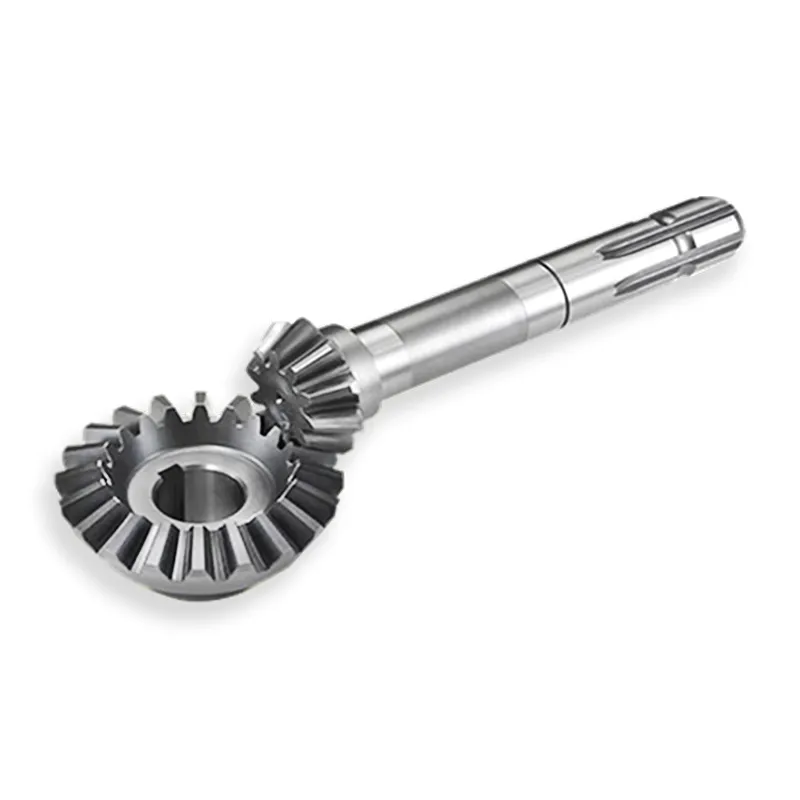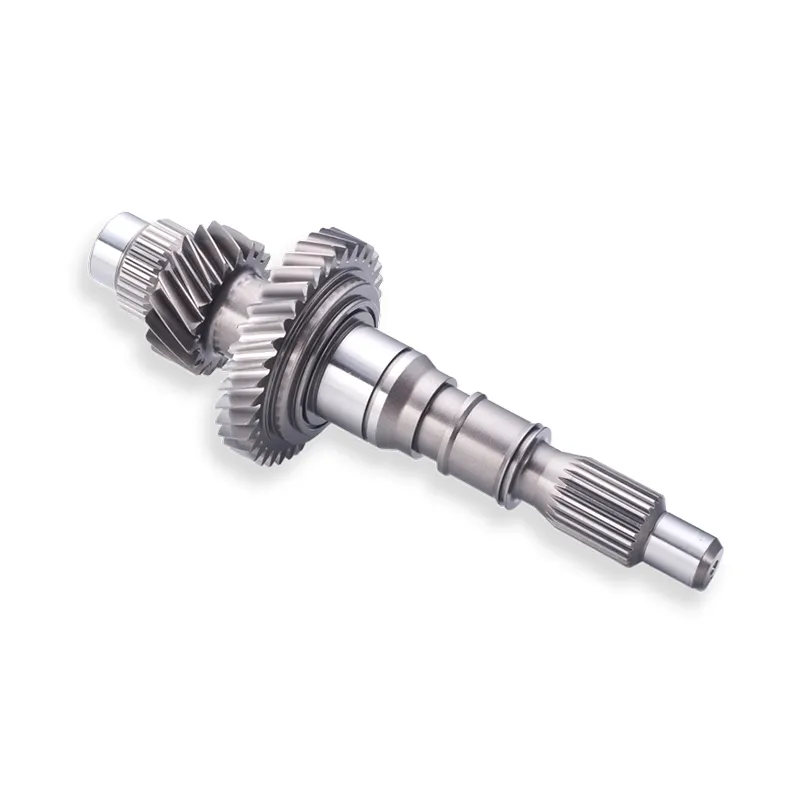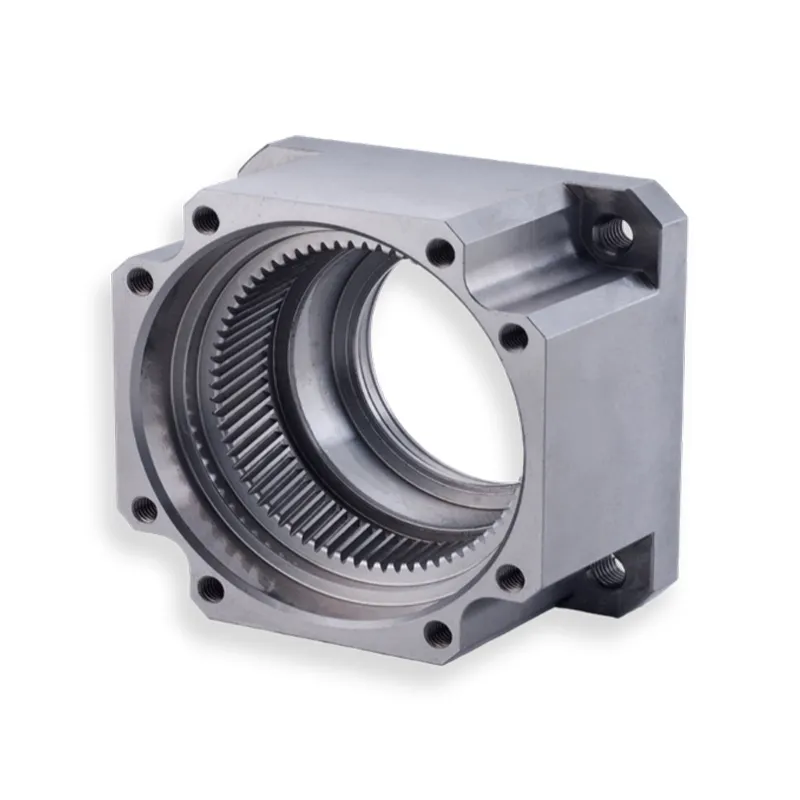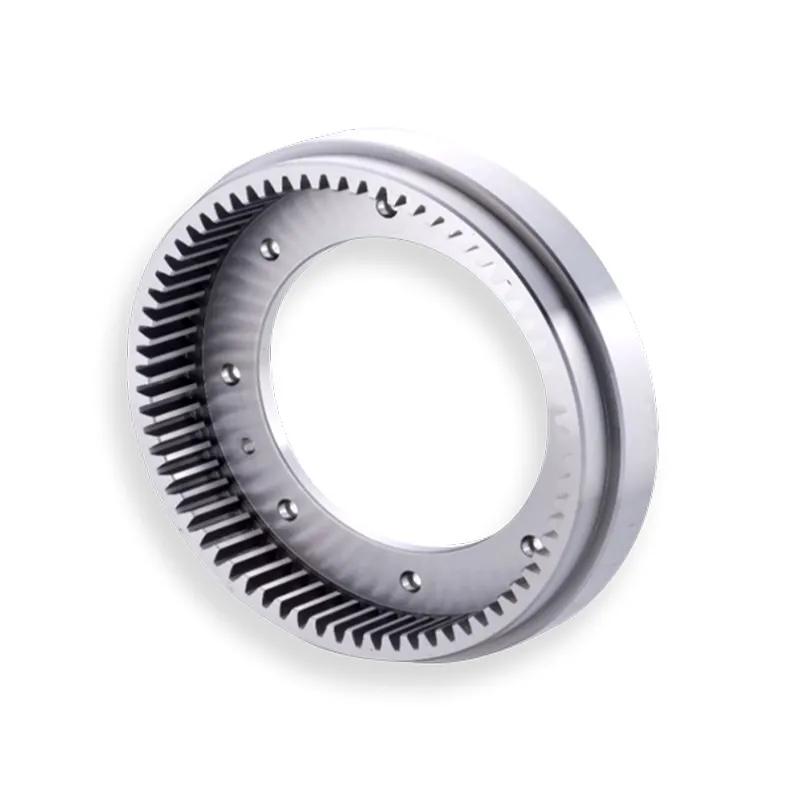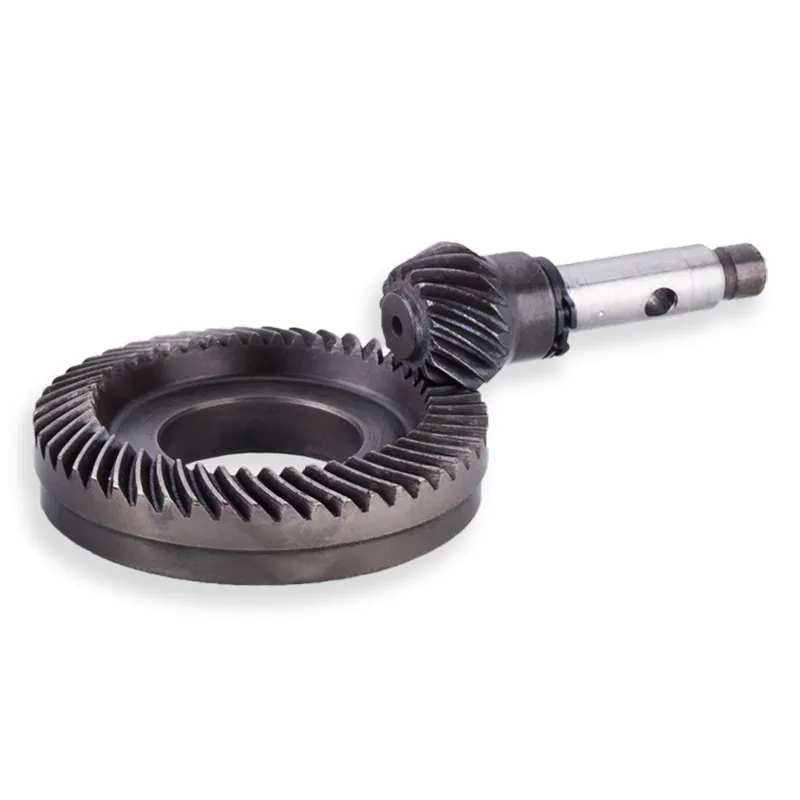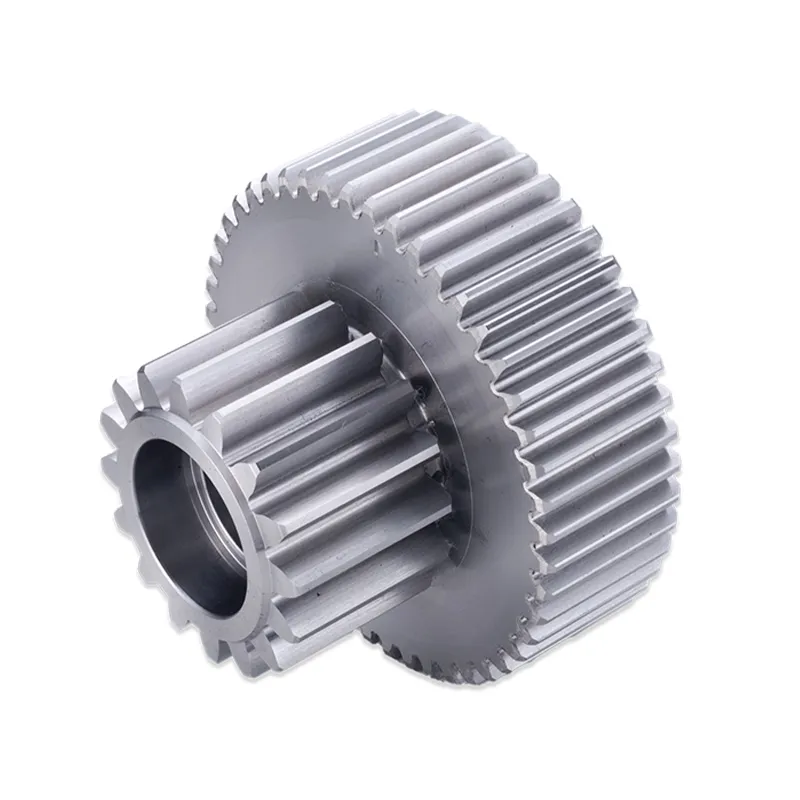
When selecting a gear system for industrial machinery, automotive transmissions, or precision equipment, the choice between helical gear vs spur gear depends on load requirements, operating speed, noise control, efficiency, and installation conditions. Spur gears are ideal for simple, high-efficiency applications with moderate speeds, while helical gears are preferred for high-load, high-speed systems requiring smoother and quieter operation.
The difference between helical gear and spur gear mainly lies in tooth orientation. Spur gears have straight teeth aligned parallel to the gear axis, while helical gears have angled teeth that engage gradually. This design difference significantly affects performance, durability, manufacturing complexity, and application suitability.
For engineers choosing between these two gear types, understanding the comparison between spur gear and helical gear is essential to achieving the right balance between performance, cost, and service life.
The primary difference between helical gear and spur gear is the direction of the gear teeth and how they transfer motion between shafts.
A spur gear uses straight teeth that contact the mating gear across the entire tooth width simultaneously. This simple structure provides high transmission efficiency and easy manufacturing but creates sudden tooth engagement, resulting in increased noise and vibration at higher speeds.
A helical gear uses angled teeth that gradually enter contact. The overlapping tooth engagement improves load distribution, reduces impact forces, and allows smoother power transmission.
| Feature | Spur Gear | Helical Gear |
|---|---|---|
| Tooth Design | Straight teeth parallel to axis | Angled teeth with helix angle |
| Engagement | Sudden full-tooth contact | Gradual tooth engagement |
| Noise Level | Higher at high speeds | Lower and smoother operation |
| Load Capacity | Moderate | Higher due to increased contact ratio |
| Efficiency | Very high | Slightly lower due to sliding friction |
| Manufacturing Cost | Lower | Higher |
| Axial Force | No axial thrust | Generates axial thrust |
| Best Applications | Simple mechanisms, low-speed systems | Heavy-duty and high-speed transmissions |
This comparison between spur gear and helical gear shows why spur gears remain popular for cost-sensitive applications, while helical gears dominate demanding industrial environments.
A well-engineered helical gear design improves transmission performance by increasing tooth contact and reducing mechanical shock during operation.
Unlike spur gears, where teeth engage instantly, helical gear teeth gradually mesh from one end to the other. This progressive engagement creates several advantages:
Because multiple teeth share the transmitted load simultaneously, helical gears can handle higher torque compared with similarly sized spur gears. This makes them suitable for industrial reducers, automotive gearboxes, compressors, and heavy machinery.
The gradual tooth contact significantly reduces impact during meshing. As a result, helical gears operate more quietly, which is especially important in electric vehicles, precision machinery, and automated production equipment.
At high rotational speeds, spur gears can generate excessive vibration due to abrupt tooth engagement. Helical gears maintain smoother operation, improving gearbox reliability and extending component life.
Professional gear manufacturers carefully optimize helix angle, pressure angle, tooth profile, and material selection to achieve the required balance between efficiency and durability.
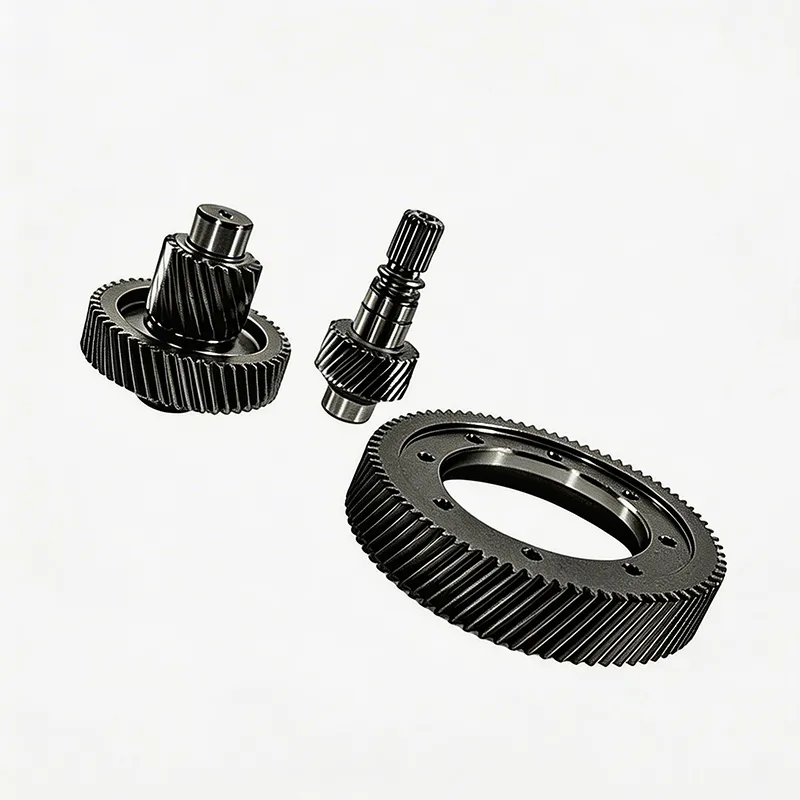
Helical gears are not always better; they are better when the application requires higher performance.
For heavy-duty industrial equipment, a helical gear manufacturer typically recommends helical designs because they provide:
Higher torque capacity
Lower operating noise
Improved shock resistance
Longer service life under continuous loads
Common applications include:
Industrial gear reducers
Conveyor systems
Pumps and compressors
Mining equipment
Automotive transmissions
Wind turbine gear systems
However, spur gears remain an excellent choice when simplicity and efficiency are priorities. Their advantages include:
Lower production cost
Easier maintenance
No axial thrust loads
Higher mechanical efficiency
For applications such as clocks, small machines, robotics mechanisms, and low-speed transmission systems, spur gears often provide the most practical solution.
A spur gear is one of the simplest and most widely used gear types due to its straightforward manufacturing process.
1. High Transmission Efficiency
Spur gears have minimal sliding between tooth surfaces, resulting in excellent power transmission efficiency.
2. Simple Manufacturing
Because of their straight tooth design, spur gears are easier to produce, inspect, and replace. This makes them cost-effective for large-volume production.
3. No Axial Thrust
Unlike helical gears, spur gears do not generate additional axial forces, reducing bearing design complexity.
Despite these benefits, spur gears have several limitations:
Increased noise at high speeds
Higher impact loads during engagement
Lower load capacity compared with helical gears
Less suitable for continuous heavy-duty operation
A professional spur gear manufacturer considers factors such as speed, torque, operating environment, and expected service life before recommending a spur gear solution.
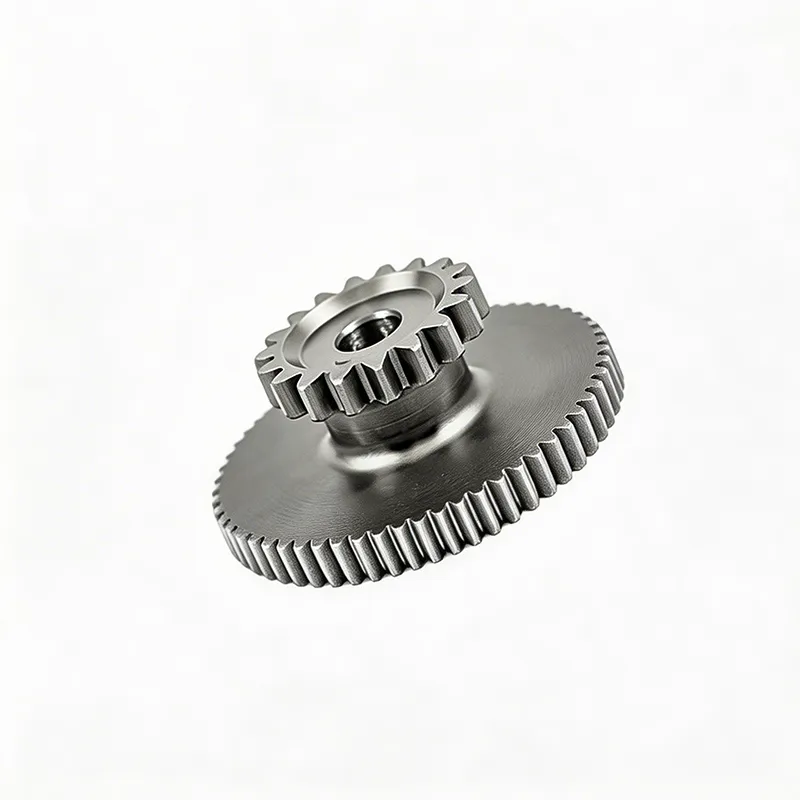
Helical gears are widely used in advanced transmission systems because they provide smoother and stronger performance.
1. Smooth Power Transmission
The angled tooth structure enables gradual engagement, minimizing vibration and improving operational stability.
2. Higher Torque Capability
The increased contact ratio allows helical gears to transmit greater loads within the same gear size.
3. Lower Operating Noise
The continuous tooth engagement makes helical gear systems significantly quieter than spur gear systems.
Helical gears also have certain design considerations:
Higher manufacturing complexity
Increased production cost
Axial forces requiring stronger bearings
Slightly lower efficiency due to sliding contact
A skilled helical gear manufacturer must carefully control gear geometry, material hardness, and lubrication requirements to maximize performance.
The choice between helical gear vs spur gear depends on the specific operating requirements of your transmission system.
Choose spur gears when:
Cost efficiency is a priority
Operating speed is relatively low
Simple maintenance is required
Axial loads must be avoided
Maximum efficiency is needed
Choose helical gears when:
High torque transmission is required
Noise reduction is important
Equipment operates continuously
Higher reliability is needed
Space limitations require compact gear designs
For demanding industrial applications, many engineers prefer helical gear systems because their smoother operation and higher load capacity often justify the additional manufacturing investment.
A reliable gear supplier uses advanced manufacturing processes to ensure dimensional accuracy, durability, and consistent performance.
Key production considerations include:
Professional gear engineering involves optimizing:
Module and tooth number
Pressure angle
Helix angle for helical gears
Tooth profile accuracy
Surface hardness requirements
Advanced helical gear design ensures proper tooth contact and minimizes wear during operation.
Common gear materials include:
Alloy steel for heavy-duty applications
Hardened steel for high-load transmissions
Stainless steel for corrosion-resistant environments
Engineering plastics for lightweight applications
Modern gear manufacturers use CNC gear cutting, heat treatment, grinding, and inspection equipment to achieve strict quality standards.
Whether working with a helical gear manufacturer or a spur gear manufacturer, production capability and engineering experience directly influence gearbox reliability.
Spur gears are generally more efficient because they have lower sliding friction between teeth. However, helical gears provide better overall transmission performance in high-load and high-speed applications due to smoother engagement and higher load capacity.
Helical gears are quieter because their angled teeth engage gradually rather than making sudden full-tooth contact. This reduces vibration, impact forces, and operating noise.
In many applications, helical gears can replace spur gears if the system can accommodate axial loads and higher manufacturing costs. However, spur gears remain preferable where simplicity and maximum efficiency are required.
Yes. Helical gears typically have higher load capacity because multiple teeth are engaged at the same time, allowing forces to be distributed more effectively.
Yes. Spur gears are usually less expensive because their design and manufacturing processes are simpler. Helical gears require more advanced machining and quality control.
The decision between helical gear vs spur gear should be based on the specific requirements of your transmission system rather than choosing one universally superior option.
Spur gears provide simplicity, efficiency, and cost advantages, making them suitable for basic and low-speed applications. Helical gears deliver smoother operation, higher load capacity, and reduced noise, making them ideal for modern industrial and high-performance transmission systems.
By working with an experienced helical gear manufacturer or spur gear manufacturer, engineers can select the optimal gear design, materials, and manufacturing process to achieve reliable long-term performance. For complex transmission requirements, professional helical gear design and precision manufacturing are essential factors in building efficient and durable mechanical systems.

 English